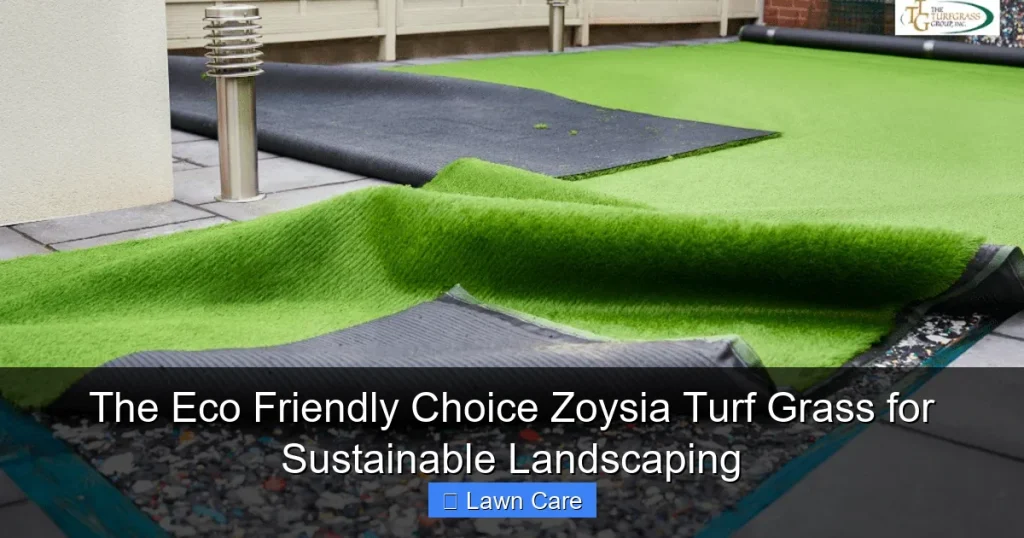
Zoysia grass is a stellar choice for eco-friendly landscaping due to its remarkable drought tolerance and low maintenance needs. It requires less water, fertilizer, and mowing than many other lawn grasses, making it a sustainable and cost-effective option. Embrace Zoysia for a beautiful, resilient, and environmentally conscious lawn.
When you picture a perfect lawn, what comes to mind? Is it a lush, green expanse that’s always vibrant, even during the hottest days of summer? For many, this image includes a lawn that requires a lot of work and a significant amount of resources. But what if you could have that beautiful lawn *and* be kind to the environment? Enter Zoysia grass, a true champion of sustainable landscaping.
In today’s world, we’re all becoming more aware of our impact on the planet. This awareness extends to our homes and gardens. We’re looking for ways to reduce our water consumption, minimize chemical use, and create landscapes that are both beautiful and responsible. If you’re on this journey, you’ve likely explored various lawn care practices and grass types. You might have come across terms like “eco-friendly” and “sustainable,” and wondered how they apply to your lawn. Well, Zoysia grass is a perfect fit for this conversation.
### Understanding Zoysia Grass: A Natural Choice
Zoysia grass is a warm-season turfgrass known for its exceptional durability, attractive appearance, and, most importantly, its environmental benefits. Unlike cool-season grasses that struggle in the heat, Zoysia thrives in warm climates, making it a fantastic option for many regions. It spreads via rhizomes (underground stems) and stolons (above-ground stems), creating a dense, interwoven mat of grass that is both beautiful and functional.
This unique growth habit is key to many of its eco-friendly advantages. It’s this dense mat that makes Zoysia grass so effective at suppressing weeds and requiring less intervention from us. It’s also the reason behind its incredible resilience and ability to bounce back from stress.
### The Drought-Tolerant Superstar
One of the most significant advantages of Zoysia grass is its remarkable drought tolerance. This isn’t just a minor benefit; it’s a game-changer for sustainable landscaping. Many areas around the world are facing increasing water restrictions and rising water costs. Lawns that rely heavily on irrigation can quickly become a drain on both your wallet and your local water supply.
Zoysia grass possesses an incredibly deep root system. This allows it to access moisture far below the surface, even during prolonged dry periods. When other grasses turn brown and go dormant out of thirst, Zoysia can often remain green and vibrant with little to no supplemental watering.
Practical Tip: Even though Zoysia is drought-tolerant, it doesn’t mean it never needs water. During extreme heatwaves or if you want to maintain a lush, deep green color, occasional deep watering is beneficial. However, compared to other grasses, the frequency and volume will be significantly less. This significantly reduces your overall water footprint. If you live in an area with drought concerns, choosing Zoysia is a smart move towards [the best drought-resistant grass types for hot climates](https://lawnhelpful.com/the-best-drought-resistant-grass-types-for-hot-climates/).
### Low Maintenance, High Reward
Let’s be honest, most of us want a beautiful lawn, but we don’t want to spend every weekend working on it. This is where Zoysia grass truly shines. Its low maintenance requirements are a dream come true for busy homeowners and anyone looking to reduce their environmental impact.
#### Less Mowing, Less Emissions
Because Zoysia grass grows relatively slowly and produces a dense, upright growth habit, it doesn’t need to be mowed as frequently as many other grass types. This means less time spent pushing a mower, and more importantly, fewer emissions released into the atmosphere from your lawn equipment. Think about the cumulative effect of fewer mowing cycles across millions of lawns – it’s a significant environmental win.
The ideal mowing height for Zoysia can vary slightly depending on the specific cultivar, but generally, keeping it between 1 to 3 inches is recommended. Mowing too short can stress the grass, while letting it grow too long can make it look messy. Consistent mowing at the right height promotes a healthy, dense turf.
You can find more details on this at [what is the best mowing height for different grass types](https://lawnhelpful.com/what-is-the-best-mowing-height-for-different-grass-types/).
#### Reduced Need for Fertilizers
Traditional lawns often require regular applications of synthetic fertilizers to maintain their color and vigor. These fertilizers can contribute to water pollution through runoff and have a significant carbon footprint in their production. Zoysia grass, with its efficient nutrient uptake and natural resilience, requires far less fertilization.
When fertilization is needed, it’s typically in the late spring or early summer, after the grass has fully emerged from dormancy. Opting for slow-release, organic fertilizers can further enhance its eco-friendly profile. This reduces the risk of nutrient leaching into waterways.
For those managing similar grasses like Bermuda, understanding fertilization is key, and resources like [what is the best fertilizer for bermuda grass 2](https://lawnhelpful.com/what-is-the-best-fertilizer-for-bermuda-grass-2/) can offer comparative insights.
#### Natural Weed Suppression
The dense, sod-forming nature of Zoysia grass is its secret weapon against weeds. As it spreads, it creates a thick mat that crowds out potential weed invaders. This significantly reduces, and often eliminates, the need for chemical weed killers.
Fewer herbicides mean less potential for these chemicals to leach into the soil and water supply, harming beneficial insects, soil microbes, and even your pets. If you do encounter a stubborn weed, manual removal is often effective given the grass’s strong root system.
### Zoysia Grass: A Friend to the Soil and Wildlife
Beyond its direct resource-saving benefits, Zoysia grass also contributes positively to the soil ecosystem and can be more accommodating to local wildlife than some monoculture lawns.
#### Improved Soil Health
The extensive root system of Zoysia grass plays a vital role in soil health. As the roots grow and die back over time, they contribute organic matter to the soil, improving its structure, water retention, and aeration. This creates a healthier environment for beneficial soil organisms, which are crucial for a thriving ecosystem. A healthy soil structure also helps reduce erosion.
#### Supporting Biodiversity
While a lawn isn’t a natural habitat, a well-established Zoysia lawn can be more beneficial than a lawn requiring constant chemical intervention. By reducing the need for herbicides and pesticides, Zoysia lawns create a safer environment for beneficial insects like pollinators and earthworms. These creatures are essential components of a healthy ecosystem.
### Choosing the Right Zoysia Variety
There are several popular Zoysia grass varieties, each with slightly different characteristics. Understanding these can help you choose the best one for your specific needs and climate. Some of the most common include:
* Emerald Zoysia: Known for its fine texture and dark green color, Emerald Zoysia is beautiful but can be slower to establish.
* Zeon Zoysia: Highly regarded for its superior shade tolerance and fine texture, Zeon is a popular choice for areas with some tree cover.
* Cavalier Zoysia: Offers good drought tolerance and a medium texture, making it a versatile option.
* El Toro Zoysia: One of the older varieties, El Toro is known for its rapid growth and good wear tolerance.
* Meyer Zoysia: A classic choice, Meyer Zoysia is very cold-hardy and drought-tolerant, with a medium texture.
When selecting a variety, consider your local climate, the amount of sunlight your lawn receives, and how you plan to use the space. Understanding [what type of soil is best for growing Zoysia grass](https://lawnhelpful.com/what-type-of-soil-is-best-for-growing-zoysia-grass/) is also crucial for successful establishment and long-term health.
### Planting and Establishment
Zoysia grass is typically established from sod, plugs, or seed. While seeding is possible, it’s a slower process. Sod provides an instant lawn, while plugs allow the grass to spread and fill in over time. The best time to plant Zoysia is when the soil temperatures are consistently warm, usually in late spring or early summer. This allows the grass to establish before the cooler months.
Proper soil preparation is essential for any grass type. Ensuring good drainage and incorporating organic matter will give your Zoysia lawn the best start. Remember that establishing a sustainable lawn is part of a broader effort, and exploring [the best eco friendly lawn care practices for sustainable landscaping](https://lawnhelpful.com/the-best-eco-friendly-lawn-care-practices-for-sustainable-landscaping/) can provide even more holistic benefits.
### Dealing with Dormancy
As a warm-season grass, Zoysia grass will go dormant and turn brown during the cooler months of fall and winter. This is a natural process and a sign of its resilience. It’s conserving its energy reserves. During dormancy, watering needs are minimal, and mowing will cease. The grass will typically green up again in the spring as temperatures rise.
Preparing your Zoysia lawn for winter dormancy is important. This might involve a final mowing and clearing leaves. Understanding how to manage your Zoysia through its cycles ensures its health and longevity. For more on this, you can refer to [how to prepare zoysia grass for winter dormancy](https://lawnhelpful.com/how-to-prepare-zoysia-grass-for-winter-dormancy/).
### The Verdict: A Smarter, Greener Lawn
Choosing Zoysia grass for your landscaping needs is more than just selecting a type of grass; it’s an investment in a more sustainable future for your lawn and the environment. Its drought tolerance, low maintenance needs, natural weed suppression, and positive impact on soil health make it an outstanding eco-friendly choice.
By opting for Zoysia, you reduce your reliance on precious water resources, minimize the use of chemical fertilizers and herbicides, and decrease your lawn’s carbon footprint. It’s a practical, beautiful, and responsible way to enjoy a healthy, vibrant lawn.
So, if you’re looking to create a landscape that’s as kind to the planet as it is beautiful to behold, consider making the switch to Zoysia grass. It’s a decision that benefits your yard, your wallet, and the world around us.
Key Takeaways
- Zoysia Grass is Highly Drought Tolerant: Its deep root system allows it to survive long dry spells with minimal watering, conserving a precious resource.
- Low Maintenance Requirements: Zoysia needs less mowing, fertilizing, and pest control compared to many other lawn grasses, saving time and money.
- Excellent Weed Suppression: Its dense growth habit effectively chokes out weeds, reducing the need for chemical herbicides.
- Adaptable to Various Conditions: While it thrives in warm climates, many Zoysia varieties can tolerate cooler temperatures and varying soil types.
- Environmentally Friendly: Reduced water usage, less chemical application, and fewer mowing emissions contribute to a healthier planet.
- Durable and Resilient: Zoysia grass can withstand moderate foot traffic and recovers well from damage.
- Aesthetically Pleasing: It offers a beautiful, dense, and often deep green carpet-like appearance when well-maintained.
Quick Answers to Common Questions
Is Zoysia grass truly drought-tolerant?
Yes, Zoysia grass is renowned for its exceptional drought tolerance due to its deep root system, which allows it to access moisture deep within the soil during dry periods.
How often does Zoysia grass need to be mowed?
Zoysia grass grows relatively slowly, so it requires less frequent mowing compared to many other lawn grasses, typically once every 1-2 weeks during its active growing season.
Does Zoysia grass help with weed control?
Absolutely. Its dense, spreading growth habit effectively chokes out weeds, significantly reducing the need for chemical herbicides.
Will Zoysia grass turn brown in the winter?
Yes, as a warm-season grass, Zoysia grass will naturally go dormant and turn brown during cooler temperatures in the fall and winter. It will typically green up again in the spring.
Is Zoysia grass suitable for areas with heavy foot traffic?
Zoysia grass is quite durable and can tolerate moderate foot traffic. Its dense nature helps it recover well from occasional wear and tear.
Frequently Asked Questions
What makes Zoysia grass an eco-friendly option?
Zoysia grass is eco-friendly because of its low water needs, reduced fertilizer requirements, and natural ability to suppress weeds, which minimizes the use of chemicals and conserves resources.
How much water does Zoysia grass actually need?
While Zoysia grass is highly drought-tolerant, it benefits from occasional deep watering during extreme heat or prolonged dry spells to maintain its vibrant green color. However, its overall water consumption is significantly lower than many other grass types.
Can Zoysia grass grow in shady areas?
Some Zoysia varieties, like Zeon Zoysia, offer good shade tolerance. However, Zoysia grasses generally perform best in full sun. You’ll need to choose a shade-tolerant variety if your lawn receives less than 6 hours of direct sunlight daily.
Is Zoysia grass expensive to maintain?
No, Zoysia grass is generally considered low-maintenance. Its reduced need for watering, mowing, and fertilizing translates into lower costs and less effort over time compared to many other lawn grasses.
How does Zoysia grass spread?
Zoysia grass spreads through a combination of underground stems called rhizomes and above-ground stems called stolons. This creeping growth habit creates a dense, interwoven turf.
Is Zoysia grass safe for pets and children?
Yes, Zoysia grass is generally considered safe for pets and children. Its dense turf provides a soft surface, and its low maintenance requirements mean less exposure to chemical treatments.