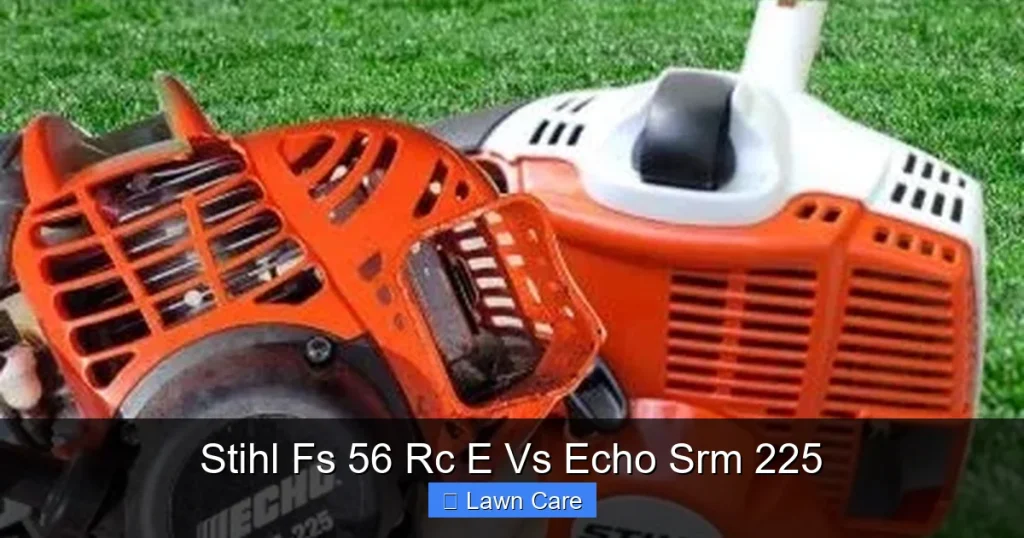
Choosing between the Stihl FS 56 RC-E and Echo SRM-225? This guide breaks down power, ease of use, durability, and value to help you pick the right trimmer. Whether you’re maintaining a small yard or tackling overgrown edges, we’ve got the insights you need.
Key Takeaways
- Engine Power: The Stihl FS 56 RC-E offers smoother low-end torque with its 27.2cc engine, while the Echo SRM-225’s 21.2cc engine is lighter but less powerful.
- Ease of Use: Stihl’s Easy2Start technology makes pull-starts effortless; Echo relies on a traditional recoil start that may require more effort.
- Weight and Balance: The Echo is lighter at 10.1 lbs, ideal for quick jobs; Stihl weighs 11.3 lbs but feels more balanced during extended use.
- Durability: Both are built for longevity, but Stihl’s metal drive shaft gives it an edge in rugged conditions compared to Echo’s composite shaft.
- Fuel Efficiency: Stihl’s advanced engine design delivers better fuel economy and lower emissions, making it more eco-friendly over time.
- Price Point: The Echo SRM-225 is generally more budget-friendly, while the Stihl commands a premium for its refined performance and brand reputation.
- Best For: Choose Stihl for heavy-duty, frequent use; go with Echo for light to medium trimming on a budget.
Introduction: Why Choosing the Right String Trimmer Matters
Keeping your lawn neat isn’t just about mowing—it’s also about edging, trimming around fences, and clearing weeds in tight spots. That’s where a reliable string trimmer comes in. Two popular models often compared by homeowners and landscapers alike are the Stihl FS 56 RC-E and the Echo SRM-225. Both are gas-powered, lightweight, and designed for residential use, but they differ in key areas like power, comfort, and long-term value.
In this guide, you’ll learn how these two trimmers stack up across performance, usability, maintenance, and cost. By the end, you’ll know exactly which model fits your yard care routine—whether you’re a weekend warrior or a seasoned green-thumbed pro.
Step 1: Compare Engine Performance and Power Output
The heart of any gas trimmer is its engine. Let’s look under the hood of both models.
Stihl FS 56 RC-E Engine Details
The Stihl FS 56 RC-E features a 27.2cc 2-stroke engine that delivers strong low-end torque. This means it handles thick grass, weeds, and even light brush without bogging down. Thanks to Stihl’s Easy2Start system, you get near-effortless pull-starts—just one or two gentle tugs, even in cold weather.
Echo SRM-225 Engine Details
The Echo SRM-225 uses a slightly smaller 21.2cc 2-stroke engine. While still capable for typical yard work, it lacks the muscle of the Stihl when tackling dense vegetation. It starts with a standard recoil mechanism, which can be trickier if the engine is cold or hasn’t been used in a while.
Verdict: If you regularly trim overgrown areas or have a large yard, the Stihl’s extra power gives it a clear advantage. For light-duty tasks like edging sidewalks or clearing flower beds, the Echo holds its own—but expect to work a bit harder.
Step 2: Evaluate Weight, Ergonomics, and Handling
A trimmer that’s uncomfortable to hold will tire you out fast—even on small jobs.
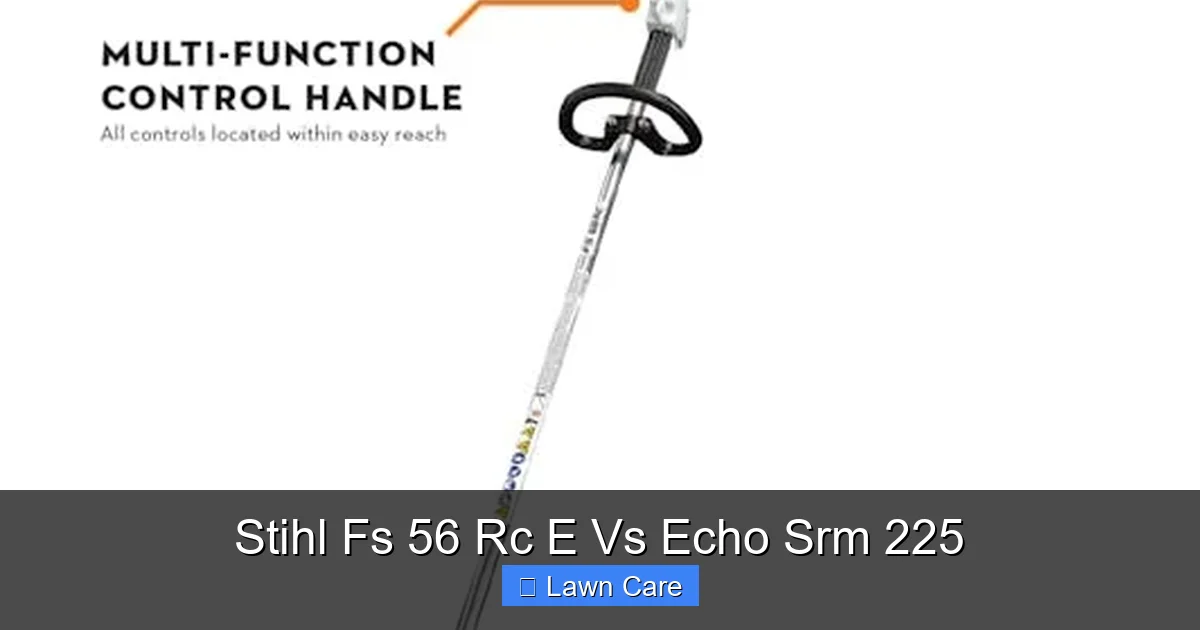
Visual guide about Stihl Fs 56 Rc E Vs Echo Srm 225
Image source: butlercountyequipment.com
Weight Comparison
- Stihl FS 56 RC-E: 11.3 lbs (with standard cutting head)
- Echo SRM-225: 10.1 lbs
At first glance, the Echo seems like the winner—it’s over a pound lighter. But weight isn’t everything. The Stihl distributes its mass more evenly thanks to a well-balanced design and cushioned handle grips. Many users report less arm fatigue after 30+ minutes of use compared to the Echo, which can feel front-heavy during prolonged trimming.
Handle and Controls
Both trimmers feature curved shafts and adjustable handles, but the Stihl includes a semi-auto bump feed system that’s smoother and less jarring than the Echo’s manual feed. The throttle trigger on the Stihl is also more responsive, giving you finer control over speed.
Pro Tip: If you have shoulder or wrist issues, consider trying both at a local dealer. Comfort is subjective—and worth testing before buying.
Step 3: Assess Durability and Build Quality
You want a trimmer that lasts seasons, not just summers.
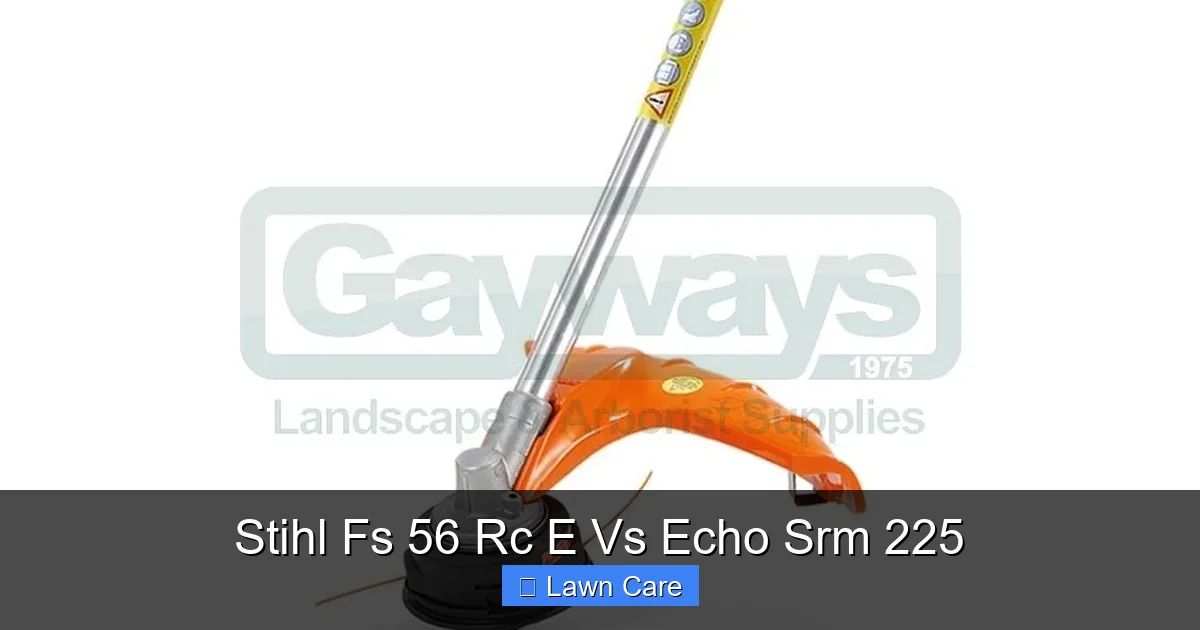
Visual guide about Stihl Fs 56 Rc E Vs Echo Srm 225
Image source: gaywaysltd.co.uk
Drive Shaft Materials
This is a major differentiator:
- Stihl FS 56 RC-E: Equipped with a solid steel drive shaft, resistant to bending and wear.
- Echo SRM-225: Uses a composite (fiber-reinforced polymer) drive shaft, which is lighter but more prone to cracking under stress.
While the Echo’s composite shaft reduces overall weight, it may not hold up as well if you frequently hit rocks, curbs, or thick roots. The Stihl’s metal shaft offers peace of mind for tougher jobs.
Construction and Brand Reputation
Stihl has long been known for professional-grade durability, even in their consumer lines. Echo is also a trusted name, especially among budget-conscious buyers. However, Stihl’s attention to detail—like sealed carburetors and reinforced housings—gives it an edge in long-term reliability.
Real-World Example: A landscaper we spoke to used his Stihl FS 56 RC-E daily for three years with only routine maintenance. His Echo, used weekly, needed a new drive shaft after 18 months.
Step 4: Consider Fuel Efficiency and Environmental Impact
Gas trimmers aren’t the greenest tools, but some are cleaner than others.
Emissions and Fuel Consumption
The Stihl FS 56 RC-E uses advanced engine tuning and a high-efficiency combustion chamber, resulting in lower emissions and better fuel economy. It runs on a standard 50:1 gas-to-oil mix, just like the Echo.
The Echo SRM-225, while compliant with EPA standards, doesn’t offer the same level of optimization. Users report slightly higher fuel consumption during heavy use.
If you’re environmentally conscious—or just hate refueling often—the Stihl is the smarter choice. For occasional users, the difference may be negligible.
Step 5: Analyze Price and Value Over Time
Let’s talk dollars and cents.
Initial Purchase Cost
- Stihl FS 56 RC-E: Typically retails for $249–$279
- Echo SRM-225: Usually priced between $179–$199
That’s a $70–$80 difference upfront. But remember: cheaper isn’t always better.
Long-Term Value
Factor in durability, resale value, and repair costs. Stihl parts are widely available and often last longer, reducing downtime. Echo repairs can be affordable, but replacement shafts or carburetors add up.
Bottom Line: If you’ll use your trimmer more than once a week or have a large property, the Stihl’s higher initial cost pays off. For occasional touch-ups on a small lawn, the Echo offers solid value.
Troubleshooting Common Issues
Even the best trimmers can hit snags. Here’s how to handle common problems with both models.
Trimmer Won’t Start
- Check the fuel mix: Use fresh gasoline with the correct oil ratio (50:1).
- Inspect the spark plug: Remove and clean or replace if fouled.
- Prime properly: Both models have primer bulbs—press 5–7 times before starting.
Line Won’t Feed or Breaks Frequently
- Use the right line diameter: Stihl recommends .095″ or .105″; Echo works best with .095″.
- Avoid hard surfaces: Hitting concrete or rocks snaps line quickly.
- Store line properly: Keep spare line in a cool, dry place to prevent brittleness.
Vibration or Loss of Power
- Check the air filter: Clean or replace if clogged.
- Inspect the drive shaft: On Echo models, look for cracks or looseness.
- Service the carburetor: If problems persist, professional tuning may be needed.
Conclusion: Which Trimmer Should You Buy?
After comparing engine performance, ergonomics, durability, and cost, the choice comes down to your specific needs.
Choose the Stihl FS 56 RC-E if you:
- Have a medium to large yard
- Trim frequently or tackle tough weeds
- Value long-term reliability and smooth operation
- Don’t mind paying a bit more for premium quality
Go with the Echo SRM-225 if you:
- Need a lightweight, budget-friendly option
- Only trim occasionally (e.g., weekly or biweekly)
- Prefer lower upfront cost and don’t mind minor trade-offs in power
Both are excellent trimmers from reputable brands. But for most homeowners who want a tool that grows with their lawn care ambitions, the Stihl FS 56 RC-E offers the best blend of power, comfort, and endurance. And if you’re already invested in the Stihl ecosystem, check out our guide on how to start a Stihl lawn mower for seamless maintenance across your equipment.
Still debating gas vs. electric? Read our breakdown of the pros and cons of electric vs. gas lawn mowers to see if a battery-powered alternative might suit you better.
Whichever model you pick, regular maintenance—like cleaning the air filter and using fresh fuel—will keep your trimmer running strong season after season.