The Snake Plant, also known as Sansevieria, thrives in various environments and requires minimal care. It purifies indoor air and adds a touch of greenery to any space.
The Snake Plant stands out as a versatile houseplant. Its striking, upright leaves and unique patterns make it a popular choice for homes and offices. This resilient plant thrives in low light and requires infrequent watering, making it ideal for busy lifestyles.
Snake Plants are not just visually appealing; they also improve air quality by filtering toxins. Their ability to convert CO2 into oxygen at night sets them apart from many other plants. Whether you’re a seasoned plant enthusiast or a beginner, the Snake Plant is an excellent green companion that enhances any environment effortlessly.
The Allure Of Snake Plants
Snake plants, also known as Sansevieria, are captivating houseplants. They combine beauty with ease of care. Their striking shapes and colors make them a favorite. People love how they enhance any space.
Aesthetic Appeal
Snake plants are perfect for both modern and traditional decor. Their tall, upright leaves add elegance. Here are some aesthetic features:
- Variety of colors: green, silver, and yellow edges
- Unique leaf shapes: sword-like and broad
- Suitable for all types of lighting
Place them on a shelf or desk. They stand out in any setting. Snake plants create a calming atmosphere. Their presence brings life to dull corners.
Varieties And Forms
Snake plants come in many varieties. Each offers a unique look. Here are some popular types:
| Variety Name | Leaf Color | Height |
|---|---|---|
| Mother-in-Law’s Tongue | Dark green with yellow edges | Up to 4 feet |
| Bird’s Nest Snake Plant | Green with white stripes | Up to 1 foot |
| Silver Snake Plant | Silver-green | Up to 3 feet |
Choose a variety that fits your style. Each form adds charm to your space. Snake plants bring a touch of nature indoors.
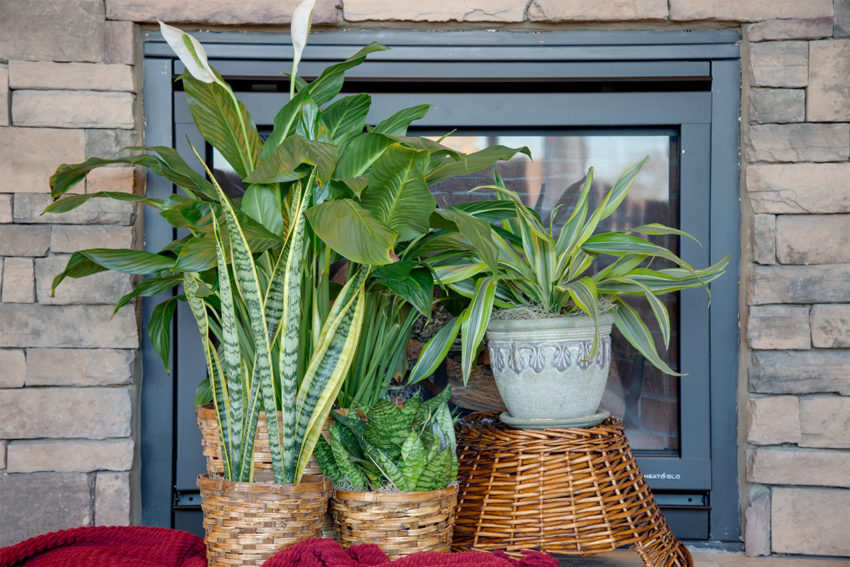
Credit: schellbrothers.com
Botanical Profile
The Snake Plant, also known as Sansevieria, is a resilient houseplant. Its unique structure and care requirements make it an ideal green companion. Below, explore its scientific classification and growth patterns.
Scientific Classification
| Category | Details |
|---|---|
| Kingdom | Plantae |
| Clade | Angiosperms |
| Clade | Monocots |
| Order | Asparagales |
| Family | Asparagaceae |
| Genus | Sansevieria |
| Species | Sansevieria trifasciata |
Growth Patterns
The Snake Plant showcases distinct growth habits:
- Leaves grow upright, resembling swords.
- Height ranges from 1 to 4 feet.
- New leaves appear in spring and summer.
These plants thrive in various conditions:
- Light: Tolerates low to bright indirect light.
- Water: Requires minimal watering; overwatering can harm roots.
- Soil: Prefers well-draining potting mix.
Overall, the Snake Plant adapts well to indoor environments.
Indoor Air Quality Enhancement
The Snake Plant is more than just a pretty plant. It helps improve indoor air quality. This hardy plant absorbs toxins and releases fresh air. Here are two key benefits of having a Snake Plant in your home.
Natural Air Purification
Snake Plants are great at cleaning indoor air. They filter out harmful substances. Some common toxins they remove include:
- Formaldehyde
- Benzene
- Xylene
- Toluene
With a Snake Plant, you can enjoy cleaner air. This can lead to better health and well-being.
Oxygen Production At Night
Unlike most plants, Snake Plants produce oxygen at night. This unique trait makes them ideal for bedrooms. They perform a process called CAM photosynthesis.
Benefits of nighttime oxygen production:
- Improves sleep quality
- Reduces snoring
- Enhances overall mood
Consider placing a Snake Plant on your nightstand. It will keep your room fresh while you sleep.
Low Maintenance Care
The Snake Plant is famous for its low maintenance care. It thrives in various conditions. Perfect for busy people or beginners.
Watering Requirements
Watering the Snake Plant is simple:
- Allow the soil to dry completely.
- Water every 2-6 weeks, depending on the season.
- Reduce watering in winter.
Overwatering can lead to root rot. Check the soil before watering.
Light And Soil Preferences
Snake Plants are adaptable to light conditions:
| Light Condition | Growth Rate |
|---|---|
| Low Light | Slow Growth |
| Indirect Sunlight | Moderate Growth |
| Direct Sunlight | Fast Growth |
Use well-draining soil. A cactus mix works well.
Benefits For Well-being
The Snake Plant, also known as Sansevieria, offers amazing benefits for your well-being. This resilient houseplant is not only beautiful but also enhances your mental and emotional health. Let’s explore how it helps reduce stress and improve your mood.
Stress Reduction
Stress can weigh heavily on our minds and bodies. The Snake Plant provides a calming presence in any space. Here are some key benefits:
- Air Purification: Snake Plants filter toxins from the air.
- Oxygen Production: They release oxygen at night, promoting better sleep.
- Low Maintenance: Caring for them reduces anxiety over plant care.
Having a Snake Plant nearby creates a serene atmosphere. Studies show that indoor plants lower stress levels. This plant is a simple way to create a peaceful environment.
Mood Improvement
The presence of greenery positively impacts our mood. The Snake Plant plays a vital role in uplifting spirits. Here’s how:
- Boosts Creativity: Greenery sparks inspiration and new ideas.
- Enhances Focus: Plants improve concentration and productivity.
- Promotes Happiness: Caring for plants brings joy and satisfaction.
Studies indicate that indoor plants, like the Snake Plant, reduce feelings of anxiety. They also increase feelings of well-being. Adding this plant to your home can elevate your mood significantly.

Credit: www.instagram.com
Harmonizing With Home Decor
The Snake Plant is more than just a houseplant. It enhances the beauty of any room. Its tall, striking leaves add a touch of elegance. This plant suits various styles, from modern to rustic. It’s an easy way to bring nature indoors.
Styling Tips
Incorporate the Snake Plant into your decor with these simple tips:
- Use different pots: Choose colorful or textured pots to match your decor.
- Create height: Place taller Snake Plants on stands or shelves.
- Group plants: Pair with smaller plants for a layered look.
- Mix materials: Combine ceramic, metal, and wood pots for variety.
- Seasonal decor: Change pots with the seasons for fresh looks.
Space Placement
Finding the right spot for your Snake Plant is crucial. Consider these placements:
- Living Room: Place near a window for bright light.
- Bedroom: Position on a nightstand for a calming effect.
- Office: Set on your desk to purify the air.
- Entryway: Use as a welcoming statement piece.
- Bathroom: Place in low light for a touch of green.
| Room | Placement Ideas |
|---|---|
| Living Room | Near windows or on shelves |
| Bedroom | On nightstand or dresser |
| Office | On desk or in a corner |
| Entryway | Beside the door or on a console |
| Bathroom | On a shelf or windowsill |
With these tips, the Snake Plant can perfectly harmonize with your home decor.
Snake Plant’s Resilience
The Snake Plant stands out for its incredible resilience. This hardy plant thrives in various conditions. It requires minimal care and still flourishes. Its ability to survive makes it a favorite for many plant lovers.
Drought Tolerance
Snake Plants are champions of drought tolerance. They store water in their thick leaves. This allows them to survive long periods without watering. Here are some key points:
- Water only when the soil is dry.
- Overwatering can cause root rot.
- Ideal watering schedule: every 2-6 weeks.
During dry spells, Snake Plants remain vibrant. They adapt well to low humidity environments. This makes them perfect for homes and offices.
Pest Resistance
Another strength of the Snake Plant is its pest resistance. Many common pests avoid it. Here’s why:
| Pest Type | Resistance Level |
|---|---|
| Spider Mites | High |
| Mealybugs | Moderate |
| Fungus Gnats | Low |
While not entirely pest-proof, Snake Plants are robust. Regular checks keep them healthy. Use neem oil for any infestations. This natural solution is safe and effective.
Choose the Snake Plant for its resilience. It’s an excellent choice for any space.

Credit: m.facebook.com
Propagating Your Plant
Propagating your Snake Plant is easy and rewarding. You can create new plants from your existing one. This process helps your plant grow and thrive. Let’s explore the two popular methods: Division and Leaf Cuttings.
Division Method
The division method is simple and effective. Follow these steps to propagate your Snake Plant:
- Choose a Mature Plant: Select a healthy Snake Plant.
- Remove from Pot: Gently take the plant out of its pot.
- Separate Rhizomes: Look for natural divisions or clusters.
- Use Clean Tools: Cut through the rhizomes with a sharp, clean knife.
- Replant: Place each section in its own pot with soil.
This method allows you to grow multiple plants quickly.
Leaf Cuttings Technique
Leaf cuttings are another great way to propagate your Snake Plant. Here’s how to do it:
- Choose Healthy Leaves: Pick a few healthy leaves.
- Cut into Sections: Cut each leaf into 4-6 inch pieces.
- Let Dry: Allow the cuttings to dry for a day.
- Plant in Soil: Insert the cuttings into moist soil.
- Water Sparingly: Water lightly to avoid rot.
New plants will sprout in a few weeks. Both methods are easy and fun!
Frequently Asked Questions
What Are The Benefits Of A Snake Plant?
Snake plants are excellent air purifiers. They filter toxins like formaldehyde and benzene from the air. Additionally, they require minimal care, making them perfect for busy individuals. Their unique appearance adds a modern touch to any space. Overall, they contribute to both aesthetics and well-being.
How Often Should I Water My Snake Plant?
Water your snake plant every two to six weeks. The frequency depends on the humidity and season. Ensure the soil dries out completely between waterings. Overwatering can lead to root rot, which is detrimental. Always check the soil moisture before adding more water.
Where Should I Place My Snake Plant?
Place your snake plant in indirect sunlight for optimal growth. They can tolerate low light, but bright, indirect light is ideal. Avoid direct sunlight, as it may scorch the leaves. A living room or office corner is a great choice.
This ensures both beauty and health benefits.
Can Snake Plants Survive In Low Light?
Yes, snake plants thrive in low-light conditions. They are highly adaptable and can tolerate various lighting environments. However, growth may slow down in darker spaces. To keep them healthy, rotate them occasionally for even light exposure. This helps maintain their vibrant appearance.
Conclusion
The snake plant is an excellent choice for any home or office. Its low maintenance and air-purifying qualities make it a perfect green companion. With its striking appearance, it enhances your space while promoting well-being. Embrace the beauty and benefits of this resilient plant today, and transform your environment effortlessly.