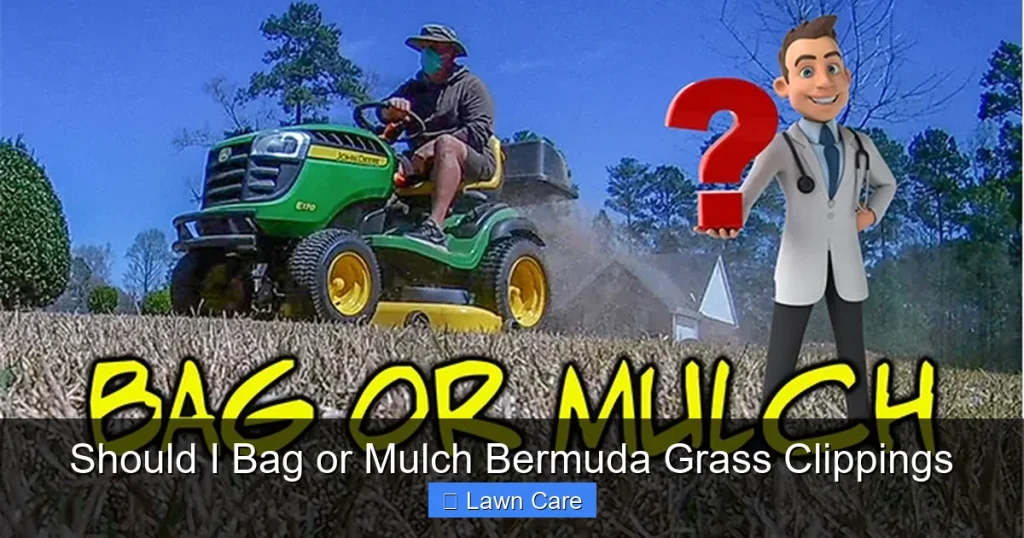
Deciding whether to bag or mulch Bermuda grass clippings is crucial for lawn health. Mulching returns valuable nutrients to the soil, acting as a natural fertilizer and reducing waste. Bagging is best for removing excess thatch or dealing with diseased grass.
So, you’ve got a beautiful Bermuda grass lawn, and you’re wondering about the best way to handle those clippings after you mow. It’s a common question, and for good reason! What you do with your grass clippings can have a real impact on the health and appearance of your lawn. Should you collect them in a bag, or should you let them fall back onto the turf? This decision might seem small, but it’s a key part of good lawn care.
Bermuda grass is a popular choice for many homeowners, especially in warmer climates. It’s known for its dense, carpet-like growth and its ability to withstand heat and drought. But this vigorous growth means you’ll be mowing it regularly, and that means a lot of clippings! Understanding whether to bag or mulch them is essential for keeping your Bermuda grass thriving. Let’s dive into the pros and cons of each method and figure out what’s best for your lawn.
- Mulching Bermuda grass clippings returns vital nutrients like nitrogen to your lawn, acting as a natural fertilizer.
- Mulching helps retain soil moisture, which is especially beneficial for drought-tolerant grasses like Bermuda.
- Proper mulching requires a mulching mower and cutting no more than one-third of the grass blade at a time.
- Bagging is recommended when the grass is excessively long, wet, or if it’s diseased, to prevent matting and disease spread.
- Excessive thatch buildup, often exacerbated by improper mulching, can hinder water and nutrient penetration.
- Bagging clippings can lead to waste if they aren’t composted or used elsewhere.
- The decision depends on your mowing habits, grass health, and desired lawn appearance.
Quick Answers to Common Questions
What is the main benefit of mulching Bermuda grass clippings?
The main benefit is returning vital nutrients, especially nitrogen, to the soil, acting as a natural fertilizer for your lawn.
When is it absolutely necessary to bag Bermuda grass clippings?
You should bag clippings when the grass is excessively long, wet, or if it is infected with a lawn disease, to prevent matting and disease spread.
Can mulching Bermuda grass clippings cause thatch?
Excessive mulching, especially of long clippings or without proper mowing, can contribute to thatch buildup. However, proper mulching usually helps decomposition.
How does mulching affect soil moisture for Bermuda grass?
Mulching helps retain soil moisture by reducing evaporation from the soil surface, which is beneficial for drought-tolerant Bermuda grass.
Is it better to mulch or bag clippings from a Bermuda grass lawn that has just been aerated?
After aeration, it’s generally better to mulch. The aerator has already loosened the soil, and the clippings can help protect the newly exposed soil and add nutrients as they break down.
📑 Table of Contents
- The Magic of Mulching: Returning Nutrients to Your Lawn
- When Bagging is the Better Choice
- The Role of Your Mower in the Bagging vs. Mulching Decision
- Factors to Consider for Your Bermuda Grass Lawn
- Putting it All Together: Your Bermuda Grass Clipping Strategy
- Conclusion: Make the Smart Choice for Your Bermuda Lawn
The Magic of Mulching: Returning Nutrients to Your Lawn
When you mulch your Bermuda grass clippings, you’re essentially letting them fall back onto your lawn. Sounds simple, right? But there’s a lot of good happening when you do this correctly. Mulched clippings act like a natural fertilizer, breaking down and returning valuable nutrients to the soil. Think of it as a free, organic boost for your grass!
What Nutrients Are in Grass Clippings?
Grass clippings are surprisingly nutrient-rich. They contain a good amount of nitrogen, which is a primary nutrient for grass growth and gives that lovely green color. They also provide phosphorus and potassium, along with other essential micronutrients. When these clippings decompose, they release these nutrients back into the soil, making them available for your Bermuda grass to absorb. This can significantly reduce your need for synthetic fertilizers.
How Mulching Benefits Your Bermuda Grass
Besides the nutrient boost, mulching offers other advantages. The decomposing clippings can help retain soil moisture, which is a big plus for Bermuda grass, a plant that loves the sun and can handle dry spells but still benefits from consistent moisture. The thin layer of mulch can act as a tiny blanket, reducing evaporation from the soil surface. This means you might find yourself watering your lawn less often, saving time and water. It also helps to suppress weeds by blocking sunlight from reaching weed seeds in the soil.
The Right Way to Mulch Bermuda Grass Clippings
For mulching to be effective and avoid problems, you need to do it right. The most important rule is to never remove more than one-third of the grass blade length in a single mowing. This is often referred to as the “one-third rule.” If you let your Bermuda grass grow too long between mows, you’ll end up with large clumps of clippings that can smother the grass beneath. These clumps can block sunlight and air circulation, leading to yellow patches and potential disease problems.
A mulching mower is designed to chop the clippings into very fine pieces, allowing them to decompose quickly and integrate into the turf. If you don’t have a mulching mower, you can often purchase a mulching kit for your existing mower. Regularly mowing your Bermuda grass at the correct height and frequency ensures that the clippings are small enough to break down efficiently. Learning about [how often should you cut bermuda grass] and [what height should you cut bermuda grass] can help you manage your mowing schedule for optimal mulching.
When Bagging is the Better Choice
Visual guide about Should I Bag or Mulch Bermuda Grass Clippings
Image source: chesapeakethermal.com
While mulching has many benefits, there are definitely times when bagging your Bermuda grass clippings is the smarter move. Sometimes, the convenience of a clean lawn outweighs the benefits of returning clippings to the soil. Other times, it’s about preventing potential problems.
Dealing with Excessively Long or Wet Grass
If you’ve missed a mowing or two, or if your Bermuda grass has experienced a period of rapid growth (perhaps after heavy rain), you might end up with clippings that are too long and bulky to mulch effectively. Trying to mulch long clippings will result in those unsightly clumps that we talked about. In this scenario, bagging the clippings is the practical solution. It keeps your lawn looking neat and prevents the issues associated with matted grass. Similarly, if your grass is wet, the clippings tend to stick together and form dense mats. Bagging wet grass prevents this matting and potential disease spread. This is especially important when considering [should you bag grass clippings for the winter], as wet, matted clippings can harbor fungal diseases.
Managing Lawn Diseases
If your Bermuda grass is suffering from a fungal disease or pest infestation, it’s crucial to remove the affected clippings. Leaving diseased clippings on the lawn can spread the problem to other areas or even to your neighbor’s yard. Bagging and disposing of these clippings properly (perhaps in a sealed bag for trash disposal) is a vital step in disease management. You don’t want to be returning infected material back to your soil.
Preventing Thatch Buildup
Thatch is a layer of dead grass stems, roots, and other organic matter that accumulates on the soil surface, just above the soil line. A thin layer of thatch is normal and can be beneficial, but excessive thatch can become a problem. It can block water, air, and nutrients from reaching the soil and can also create a favorable environment for pests and diseases. While healthy grass naturally decomposes, if your Bermuda grass is growing extremely rapidly or if you’re mulching too much, thatch can build up faster than it breaks down. In such cases, bagging your clippings periodically can help reduce the organic matter contributing to thatch. Learning about [should I dethatch my bermuda grass lawn] can also help you manage thatch if it becomes an issue.
The Role of Your Mower in the Bagging vs. Mulching Decision
Visual guide about Should I Bag or Mulch Bermuda Grass Clippings
Image source: buffalooutdoor.com
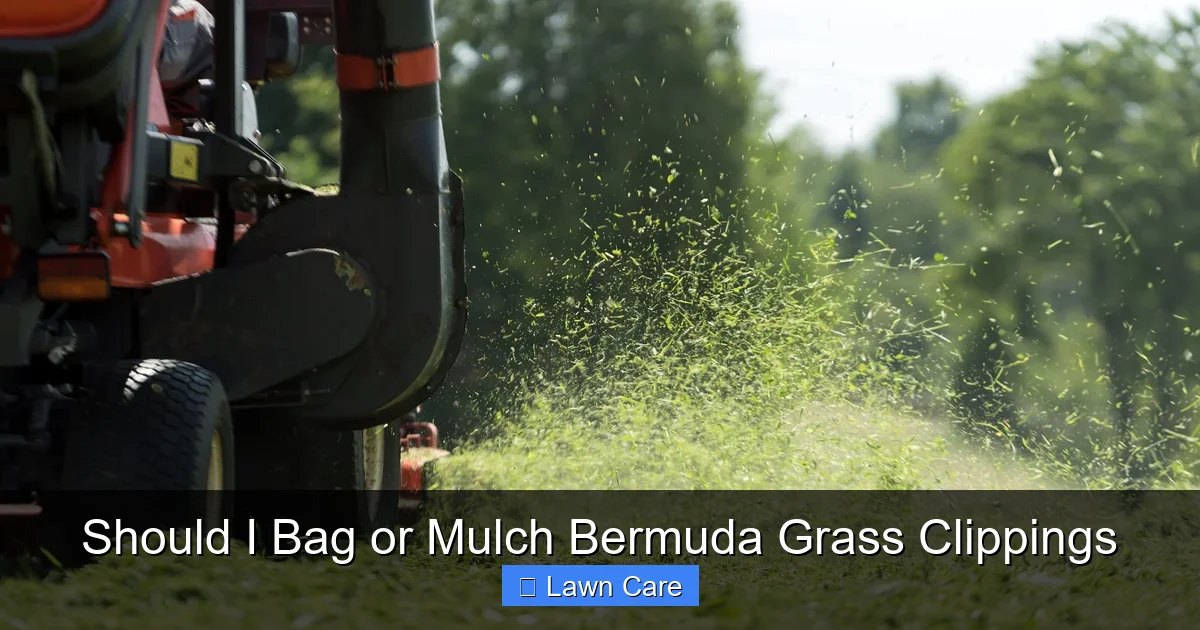
The type of mower you use plays a significant role in whether you can effectively mulch or if bagging is your primary option. Modern lawn mowers offer versatility, but some are better suited for one task than the other.
Mulching Mowers
As mentioned, mulching mowers are specifically designed to cut grass into fine pieces. They often have a special deck that keeps the clippings circulating under the mower until they are finely chopped. If your goal is to mulch, investing in a good mulching mower or a mulching kit for your existing mower is a wise choice. This will make the process much more efficient and less prone to clumping.
Bagging Mowers
Most standard push mowers and riding mowers come equipped with a bagging system. These mowers are designed to collect the clippings in a bag attached to the rear or side of the mower. If you frequently find yourself needing to bag your clippings due to the conditions mentioned earlier, ensure your mower’s bag is in good working order and consider the frequency of emptying it to avoid overfilling. Sometimes, the choice between a push mower or a self-propelled mower might even come down to how often you’ll be bagging and the terrain of your lawn, as a self-propelled mower can make hauling heavy bags easier. For example, when dealing with a larger lawn, a [should i get a push mower or self propelled] might be a consideration based on how much bagging you anticipate doing.
Robotic and Electric Mowers
Many newer robotic and electric mowers are designed with mulching as their primary function. They typically mow more frequently, taking off very small amounts of grass each time, which is ideal for mulching. If you’re looking for a low-maintenance approach that leans heavily towards mulching, these could be excellent options.
Factors to Consider for Your Bermuda Grass Lawn
Visual guide about Should I Bag or Mulch Bermuda Grass Clippings
Image source: sumogardener.com
Ultimately, the decision to bag or mulch your Bermuda grass clippings comes down to several factors unique to your lawn and your mowing practices. There isn’t a one-size-fits-all answer.
Your Mowing Frequency and Grass Height
How often you mow and how long you let your grass grow are critical. If you mow your Bermuda grass regularly, perhaps 2-3 times a week during its peak growing season, you’ll likely be able to mulch effectively. This keeps the clippings short and manageable. If you tend to mow less frequently, bagging might be necessary to prevent clumping, especially if you’re following the [is it better to mulch or bag grass clippings] advice but finding it challenging.
The Health of Your Lawn
A healthy, vigorous Bermuda grass lawn can handle mulching better than a weak or stressed one. If your lawn is thin, has bare patches, or is prone to disease, you might want to be more cautious with mulching. In these cases, bagging might be safer to prevent any potential issues from worsening. Conversely, a healthy lawn will benefit most from the nutrient recycling that mulching provides.
Your Aesthetic Preferences
Some people simply prefer the look of a lawn after the clippings have been bagged. They like the clean, manicured appearance. Others don’t mind the slight appearance of mulch and appreciate the ecological and economic benefits. Consider what look you’re going for with your lawn.
Environmental Considerations
Mulching is generally considered the more environmentally friendly option. It reduces waste that would otherwise go to landfills and decreases the need for chemical fertilizers. By returning nutrients to the soil, you’re participating in a natural cycle. If you do bag, consider composting the clippings to further reduce waste and create a valuable soil amendment. You can learn more about [can i use grass clippings as a mulch] or specifically [can i use fresh grass clippings as mulch] to understand the composting process better.
Putting it All Together: Your Bermuda Grass Clipping Strategy
Let’s sum up what we’ve learned to help you create your own Bermuda grass clipping strategy.
The “Mulch Most of the Time” Approach
For most Bermuda grass owners, the best approach is to mulch clippings most of the time. This means:
* Mow regularly to avoid letting the grass get too long.
* Follow the one-third rule religiously.
* Use a mulching mower or a mulching kit.
* Ensure your mower is sharp and in good working condition.
This method provides the most benefits in terms of soil health and lawn nutrition. It’s a natural way to feed your lawn.
When to Switch to Bagging
Be prepared to switch to bagging when:
* The grass is significantly overgrown.
* The grass is wet.
* You notice signs of disease or pests.
* Your lawn is struggling and you want to avoid adding any potential stress.
* You’re preparing for winter dormancy and want to minimize thatch buildup. It’s worth considering [should you bag bermuda grass clippings] in specific situations.
Composting Your Clippings (If You Bag)
If you frequently bag your clippings, don’t let them go to waste! Grass clippings are a great addition to a compost pile. They provide nitrogen, which is essential for efficient composting. Mix them with “brown” materials like dry leaves or shredded cardboard to create a balanced compost. This turns potential waste into a valuable resource for your garden.
Conclusion: Make the Smart Choice for Your Bermuda Lawn
Deciding whether to bag or mulch your Bermuda grass clippings is a key part of maintaining a healthy, vibrant lawn. Mulching offers a fantastic way to naturally fertilize your grass, improve soil health, and conserve moisture. It’s an eco-friendly practice that reduces waste and reliance on synthetic inputs. However, it’s not a one-size-fits-all solution.
There are specific circumstances, like dealing with overly long or wet grass, or managing lawn diseases, where bagging becomes the responsible and practical choice. By understanding the benefits and drawbacks of each method, and by paying attention to your lawn’s specific needs and your mowing habits, you can make informed decisions that will lead to a more beautiful and resilient Bermuda grass landscape. So, next time you fire up the mower, you’ll know exactly what to do with those green clippings!
Frequently Asked Questions
What is thatch and how does it relate to grass clippings?
Thatch is a layer of dead grass material that accumulates on the soil surface. While healthy decomposition of mulched clippings can help break down existing thatch, excessive mulching of long or wet grass can contribute to thatch buildup.
How fine do Bermuda grass clippings need to be for effective mulching?
Ideally, clippings should be chopped into pieces no larger than a quarter-inch. This is best achieved with a mulching mower or by mowing frequently when the grass is dry.
Can I mulch if I have a prescription for a specific fertilizer application?
Yes, you can mulch while following a fertilizer schedule. Mulching provides nutrients naturally, so you may find you can reduce the frequency or amount of synthetic fertilizer you need.
What are the environmental benefits of mulching grass clippings?
Mulching grass clippings reduces landfill waste and decreases the need for synthetic fertilizers, which can have environmental impacts. It promotes a natural nutrient cycle in your lawn.
Is it okay to mulch clippings from a lawn that has been recently treated with weed killer?
It’s generally not recommended to mulch clippings immediately after applying weed killer. Some herbicides can harm desirable plants if their residues are reintroduced to the soil through mulching.
How often should I empty the bag if I choose to bag my Bermuda grass clippings?
You should empty the bag whenever it is about two-thirds full. Overfilling the bag can make it heavy, difficult to maneuver, and can reduce the mower’s efficiency.