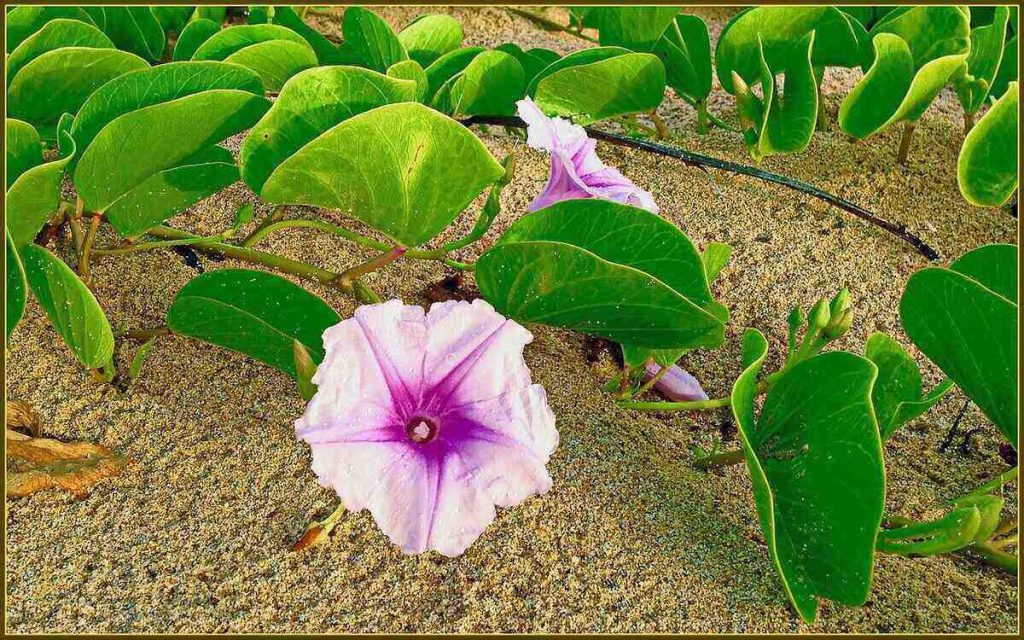
If you’re looking to enhance your coastal garden or landscape, consider incorporating salt-tolerant plants. These resilient species are specifically adapted to thrive in salty environments, making them ideal for coastal areas where salt spray and soil salinity can be challenges. By choosing the right plants, you can create a thriving green space that not only withstands harsh conditions but also adds beauty and biodiversity to your surroundings. Salt-tolerant plants like beachgrass, saltbush, and seaside goldenrod not only survive but also play a crucial role in stabilizing sandy soils and providing habitat for local wildlife. Let’s explore some of the best options to help your coastal garden flourish despite the challenges of salt.

“`html
Salt Tolerant Plants For Coastal Areas
Coastal areas are unique environments where the land meets the sea. These regions experience high salinity levels due to saltwater exposure, making it challenging for many plants to survive. However, there are specific plants known as *salt tolerant plants* that have adapted to thrive in these harsh conditions.
Understanding how these plants function can help in selecting the right species for coastal gardens, restoration projects, and even urban landscaping. In this article, we will explore various aspects of salt tolerant plants, their benefits, and how to cultivate them effectively.
The Importance of Salt Tolerant Plants
Salt tolerant plants play a crucial role in *coastal ecosystems*. They not only survive in saline conditions but also contribute to environmental stability. Here are some benefits of salt tolerant plants:
- Improve soil structure and health
- Prevent soil erosion
- Support local wildlife
- Enhance aesthetic value in landscapes
These plants help stabilize shorelines. Their root systems hold the soil together, reducing the impacts of waves and wind. They also provide shelter and food for various coastal animals and insects.
Types of Salt Tolerant Plants
There are several categories of salt tolerant plants. Understanding what type to choose can make a significant difference in your coastal garden.
1. Grasses and Ground Covers
Grasses and ground covers are essential for maintaining soil integrity. Some popular salt tolerant options include:
- Saltgrass (*Distichlis spicata*)
- Beach Strawberry (*Fragaria chiloensis*)
- Seashore Paspalum (*Paspalum vaginatum*)
These plants are perfect for preventing erosion. They thrive in sandy, salty soils while providing a lush green appearance.
2. Shrubs
Shrubs are essential for creating a layered landscape. Here are some salt tolerant shrubs:
- Seaside Goldenrod (*Solidago sempervirens*)
- Beach Plum (*Prunus maritima*)
- Saltbush (*Kochia scoparia*)
These shrubs not only resist salt but can also produce beautiful flowers or fruits. They provide vital habitat for wildlife.
3. Trees
Trees bring shade and height to coastal areas. Here are some excellent salt tolerant trees to consider:
- Black Mangrove (*Avicennia germinans*)
- Red Maple (*Acer rubrum*)
- Coastal Live Oak (*Quercus virginiana*)
These trees can handle salt spray and the occasional flooding. They also provide food and shelter for many bird species.
How to Grow Salt Tolerant Plants
Growing salt tolerant plants involves considering soil conditions, water needs, and sunlight. Here are some tips to help you get started.
Soil Preparation
Salt tolerant plants prefer well-drained soil. Here are steps for preparing the soil:
- Test the soil for salinity.
- Add organic matter to improve drainage.
- Ensure the pH levels are suitable (typically between 6.0-7.5).
Preparing the right soil allows the plants to establish themselves without the stress of excess salt.
Watering Needs
Salt tolerant plants are adapted to survive with minimal water. However, during their initial growth phase, they may need extra care. Consider these watering tips:
- Water deeply but infrequently.
- Use drip irrigation to minimize salt buildup.
- Avoid overhead watering to prevent salt from collecting on leaves.
Proper watering techniques can help these plants thrive even in challenging conditions.
Sunlight Requirements
Most salt tolerant plants thrive in full sun. Here are suggestions for ensuring they receive adequate light:
- Place taller plants away from shorter ones to avoid shading.
- Choose open areas that receive at least 6-8 hours of sunlight daily.
Sunlight is crucial for growth and flowering. Providing optimal light conditions can enhance overall plant health.
Maintaining Salt Tolerant Plants
Once established, salt tolerant plants require regular maintenance. Here are some maintenance practices to consider:
Pruning
Regular pruning promotes healthy growth and structure. Follow these guidelines:
- Remove dead or damaged branches.
- Trim back overgrown plants to maintain shape.
- Prune flowering plants after blooming to encourage new growth.
Pruning contributes to the overall aesthetics and health of your plants.
Pest and Disease Management
Pests and diseases can impact even the toughest plants. Here are tips for managing issues:
- Regularly inspect plants for signs of pests.
- Use organic pesticides when necessary.
- Promote biodiversity to keep pests in check.
Healthy plants are often more resilient to infections. Keeping an eye on them can prevent major problems.
Seasonal Care
Seasonal care is vital for the well-being of salt tolerant plants. Here are a few tips:
- Mulch during dry months to retain soil moisture.
- Water consistently during dry spells.
- Protect young plants from cold weather with temporary covers.
Seasonal adjustments can greatly enhance the health and longevity of your plants.
Research into salt tolerant plants is ongoing. Scientists are discovering new species and innovative methods to enhance their resilience. Here are some exciting developments:
- Genetic studies to improve salt tolerance in traditional crops.
- Exploration of native plant species in various coastal regions.
- Use of biotechnology to create hybrid species that can withstand higher salinity levels.
These advancements provide valuable opportunities to improve coastal landscaping and ecosystem restoration.
Salt tolerant plants are invaluable for coastal areas. They not only add beauty to landscapes but also protect the environment. By choosing the right species and following proper care techniques, gardeners can create thriving coastal gardens that withstand the salt and wind. Whether you’re designing a new garden or restoring an existing one, salt tolerant plants offer a practical and beautiful solution. Take the plunge into coastal gardening and embrace the resilience of these remarkable plants.
“`
Top 10 Coastal Plants for Salt-Laden Windy Situations – Ozbreed
Frequently Asked Questions
“`html
What benefits do salt tolerant plants provide in coastal areas?
Salt tolerant plants help stabilize coastal ecosystems by preventing soil erosion and providing habitat for wildlife. They improve soil quality by enhancing nutrient retention and promoting biodiversity. Additionally, these plants can absorb excess salt in the soil and water, making the environment more suitable for other plant species.
Which types of salt tolerant plants are commonly found in coastal regions?
Common salt tolerant plants in coastal areas include marsh grasses like Spartina and Juncus, shrubs such as Sea Grape and Bayberry, and trees like Red Mangrove and Black Mangrove. These species have adapted to survive in saline conditions, making them essential for coastal restoration efforts.
How can salt tolerant plants contribute to climate resilience?
Salt tolerant plants enhance climate resilience by acting as natural buffers against storms and flooding. Their extensive root systems stabilize sandy soils, reducing the impact of erosion during severe weather. These plants also capture carbon, helping to mitigate climate change effects in coastal zones.
What role do salt tolerant plants play in coastal water quality?
Salt tolerant plants play a crucial role in filtering pollutants and improving water quality in coastal areas. They absorb excess nutrients and contaminants from runoff, thereby reducing the likelihood of harmful algal blooms. This filtration process not only supports marine life but also promotes healthier ecosystems.
How can I incorporate salt tolerant plants into my coastal garden?
To incorporate salt tolerant plants into your coastal garden, choose species that thrive in saline conditions and match the soil type in your area. Create a diverse planting layout that includes a mix of grasses, shrubs, and trees to enhance aesthetic appeal and ecological function. Regularly monitor soil salinity and water availability to ensure optimal growth.
“`
Final Thoughts
Salt tolerant plants play a crucial role in coastal areas, promoting biodiversity and enhancing ecosystem resilience. These plants withstand saline environments, providing essential habitat for wildlife and stabilizing soil along shorelines.
Incorporating salt tolerant plants not only improves the aesthetic appeal of coastal gardens but also supports local ecosystems. Choosing the right species can lead to sustainable landscapes that thrive despite challenging conditions.
Ultimately, embracing salt tolerant plants for coastal areas benefits both the environment and community while fostering a balanced relationship with nature.