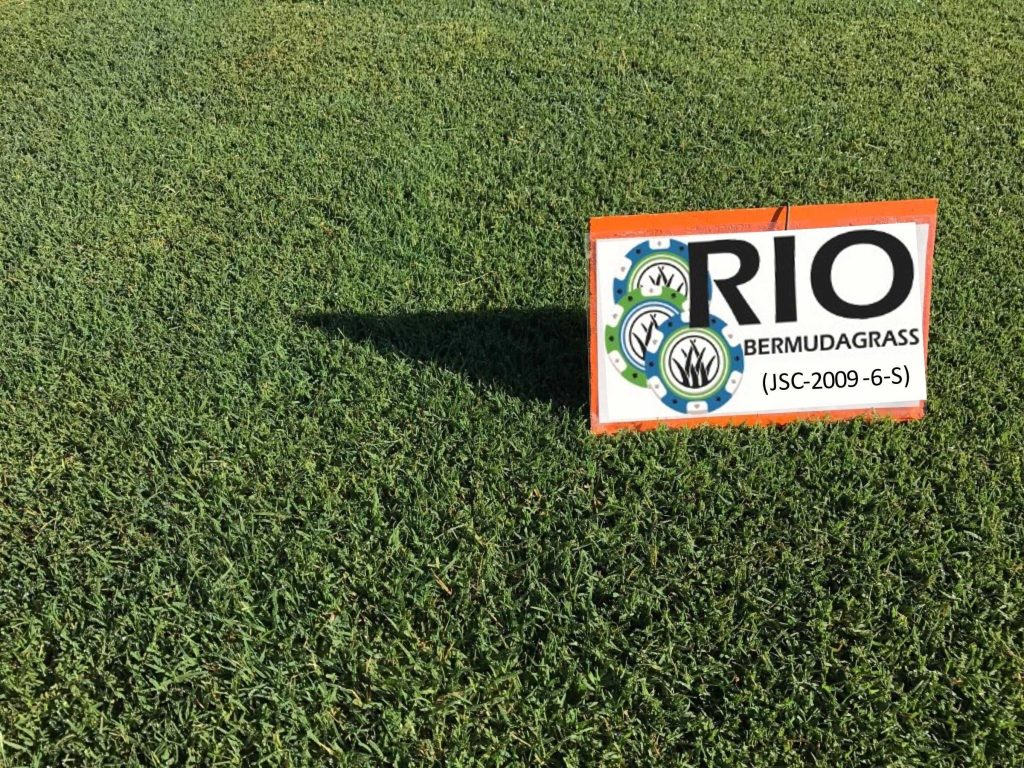
Looking to transform your lawn into a lush green paradise? Rio Bermuda grass seed could be your perfect solution for a vibrant, resilient turf. This grass variety is known for its fast growth, excellent drought tolerance, and dense coverage, making it ideal for warm climates and high-traffic areas.
In short, Rio Bermuda grass seed is an easy and effective way to establish a beautiful, durable lawn. It adapts well to various soil types and requires minimal maintenance once established, providing you with a stunning outdoor space that lasts.
Getting your lawn to look its best starts with choosing the right seed, and Rio Bermuda offers a fantastic option for homeowners seeking quick results and lasting quality. If you’re wondering how to get started, what conditions promote healthy growth, or how to care for this grass, keep reading for all the tips and insights.

Everything You Need to Know About Rio Bermuda Grass Seed
Introduction to Rio Bermuda Grass
Rio Bermuda grass seed is a popular choice for homeowners and landscapers looking for a durable and lush lawn. This type of grass is known for its ability to thrive in warm climates and withstand heavy foot traffic. Understanding the basics of Rio Bermuda grass seed can help you make the best decision for your yard.
What Is Rio Bermuda Grass?
Rio Bermuda grass is a specific variety of Bermuda grass bred to provide a dense and vibrant turf. It features fine-textured blades that create a smooth and attractive surface. This grass is especially suitable for sports fields, parks, and residential lawns due to its resilience.
Key Benefits of Using Rio Bermuda Grass Seed
- High Tolerance to Heat: Rio Bermuda is excellent in hot climates, maintaining its green color through summer.
- Wear Resistance: The grass can withstand heavy foot traffic, making it perfect for busy yards and play areas.
- Fast Germination: It establishes quickly once planted, reducing waiting time before use.
- Low Maintenance: This grass requires less water and fertilizer compared to other types, saving time and resources.
Where to Use Rio Bermuda Grass Seed
Given its adaptability, Rio Bermuda grass seed is ideal for several environments. It performs well in:
- Residential lawns
- Sports fields
- Golf course fairways
- Public parks
- Commercial landscapes
The grass’s ability to handle different conditions makes it a versatile option for many outdoor spaces.
Steps to Plant Rio Bermuda Grass Seed
Preparing the Soil
Start by clearing the area of weeds, rocks, and debris. Loosen the soil to allow for better seed contact and root growth. Ideally, the soil should have a pH between 5.8 and 7.0.
Seeding Process
Spread Rio Bermuda grass seed evenly across the prepared area. Use a seed spreader for consistent distribution. For best results, plant the seed at a rate of approximately 1 to 2 pounds per 1000 square feet.
Watering and Care
Keep the soil moist but not waterlogged during the germination period. Water lightly and frequently for the first two weeks. Once established, reduce watering frequency but ensure deep watering to encourage deep root growth.
Optimal Growing Conditions for Rio Bermuda Grass
Sunlight
This grass thrives in full sun, requiring at least six hours of direct sunlight daily. Insufficient sunlight can lead to patchy growth and less vigorous turf.
Temperature
Rio Bermuda prefers temperatures between 80°F and 95°F. It becomes dormant during colder months but can recover when warm weather returns.
Water and Fertilization
- Watering: Deep and infrequent watering promotes healthy roots.
- Fertilizer: Use a nitrogen-rich fertilizer every six to eight weeks during the growing season.
Maintaining Your Rio Bermuda Grass Lawn
Mowing
Set your mower to a height of about 1.5 to 2 inches for optimal growth. Regular mowing encourages dense and healthy turf.
Weed Control
Apply pre-emergent weed control in early spring. Hand pull or spot-treat any weeds that appear to prevent competition with your grass.
Pest and Disease Management
Watch for pests such as grubs and armyworms. Keep the lawn healthy with proper watering and fertilization to minimize disease risks like brown patch.
Common Challenges When Growing Rio Bermuda Grass
Despite its advantages, growing Rio Bermuda grass can present some issues. These include patchiness, overwatering, or poor germination rates. Proper preparation and ongoing care are key to overcoming these problems.
Comparing Rio Bermuda Grass to Other Turf Types
| Feature | Rio Bermuda Grass | Zoysia Grass | Fescue Grass |
|---|---|---|---|
| Climate Suitability | Warm, hot climates | Moderate to warm climates | Cooler climates |
| Maintenance | Low to moderate | Moderate | High |
| Wear Resistance | High | Moderate | Low |
| Germination Time | Quick (7-14 days) | Moderate (14-21 days) | Slow (21-28 days) |
Best Practices for Seed Storage and Handling
Store Rio Bermuda grass seed in a cool, dry place to maintain viability. Keep seeds in an airtight container to prevent moisture absorption. Before planting, check the seed’s freshness for the best germination rates.
Environmental Impact and Sustainability
Rio Bermuda grass reduces water and fertilizer needs, making it an environmentally friendly choice. Its resilience means less chemical use and less maintenance, conserving resources over time.
Additional Tips for Success
- Pick the right time for planting, ideally in late spring or early summer.
- Follow recommended seeding rates for even coverage and healthy growth.
- Maintain consistent watering, especially during germination and early establishment.
- Regularly aerate your lawn to improve soil health and root penetration.
By understanding these key aspects of Rio Bermuda grass seed, you can enjoy a beautiful, healthy lawn that withstands the demands of your outdoor space. Consistent care and proper planting techniques will help your grass flourish in its new environment.
Rio bermudagrass seed
Frequently Asked Questions
What are the ideal planting conditions for Rio Bermuda grass seed?
Rio Bermuda grass seed grows best in warm climates with temperatures between 75°F and 95°F (24°C to 35°C). It requires full sunlight to establish a healthy lawn and prefers well-draining soils with moderate fertility. Ensuring the soil is prepared beforehand, with proper aeration and adequate moisture, helps the seeds germinate successfully. Avoid planting when the soil is too cold or too wet, as this can hamper germination and growth.
How should I prepare my lawn before sowing Rio Bermuda grass seed?
Start by removing any existing weeds, grass, or debris from the area. Loosen the soil to improve aeration and blend in organic matter or compost to enhance fertility. Rake the soil smooth and level to create an even seedbed. If needed, conduct a soil test to determine pH levels, aiming for a range of 6.0 to 7.0 for optimal growth. Proper preparation ensures the seeds have the best chance to establish strong roots and develop into a lush lawn.
What is the recommended maintenance routine after planting Rio Bermuda grass seed?
Keep the soil consistently moist during germination, which usually occurs within 7 to 14 days. Once the grass sprouts, gradually reduce watering frequency while maintaining adequate moisture until the lawn is well-established. Mow the new grass once it reaches about 1 to 2 inches in height, trimming it to a height of around 0.5 to 1 inch. Regular fertilization with a balanced fertilizer and periodic watering promote healthy growth and help the lawn withstand heat and drought conditions.
Can Rio Bermuda grass seed tolerate drought conditions?
Yes, Rio Bermuda grass has good drought tolerance once established. Its deep root system allows it to access water from lower soil layers, helping it stay green during dry periods. However, consistent watering during the initial growth phase encourages stronger root development. After establishing, occasional deep watering can help maintain its health in prolonged dry spells, but the grass generally performs well with minimal irrigation compared to other warm-season grasses.
How can I prevent common pests and diseases in Rio Bermuda grass?
Proper lawn maintenance reduces the risk of pests and diseases. Ensure good drainage to prevent fungal infections, and mow at the recommended height to avoid stressing the grass. Avoid over-fertilizing, which can promote disease susceptibility, and keep the lawn free of debris and thatch buildup. If pests or diseases appear, treat them promptly with suitable organic or chemical controls, following application instructions carefully to protect the health of your lawn.
Final Thoughts
Rio Bermuda grass seed offers an excellent choice for a lush, resilient lawn. It adapts well to warm climates and maintains vibrant green color throughout the season. Proper planting and care ensure healthy growth and durability. Choosing the right seed, like rio bermuda grass seed, helps achieve the desired lawn quality quickly and efficiently.