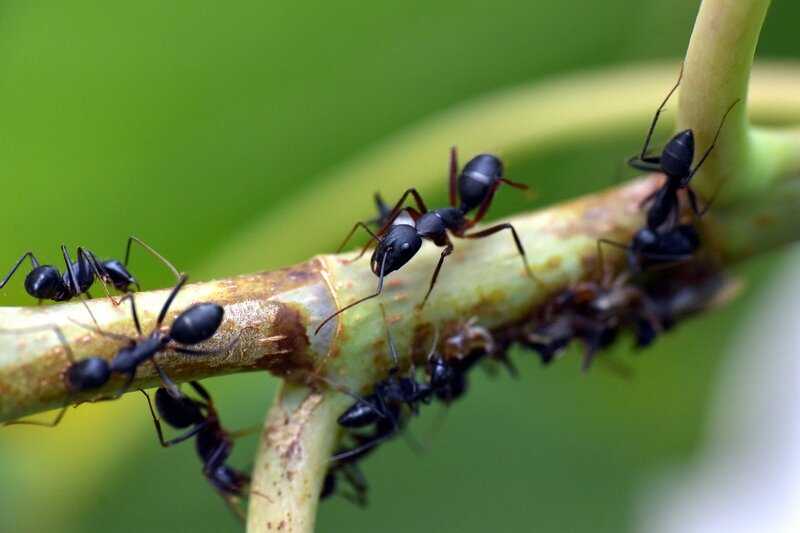
If you’re wondering whether having ants in your yard is a blessing or a curse, you’re not alone. Ants can be both beneficial and detrimental to your outdoor space. On one hand, they play a vital role in the ecosystem, aiding in soil aeration and pest control. On the other hand, certain species can cause damage to your plants or invade your home. So, is it worth it to let them roam freely, or should you take action to keep them at bay? In this article, we’ll explore the pros and cons of having ants in your yard, helping you make an informed decision on how to manage these tiny creatures and their impact on your garden.

Pros And Cons Of Ants In Your Yard
Ants are fascinating insects that play a significant role in our ecosystems. While they may be small, their presence can create a notable impact in your yard. In this article, we’ll look at the **pros and cons of having ants in your yard**, helping you understand how these tiny creatures can benefit or hinder your outdoor space.
Understanding Ants
Ants belong to the family Formicidae and are social insects found almost everywhere on Earth. There are more than 12,000 species of ants, each with unique behaviors and roles. In your yard, they form colonies that can range from a few dozen to millions of individuals.
Ants live in structured societies, where each member has a specific job. They are mostly known for their ability to work together, which is essential for their survival. This teamwork can lead to various advantages and disadvantages for your yard.
The Benefits of Ants in Your Yard
Ants bring several advantages that can enhance the health and aesthetics of your yard.
1. Natural Pest Control
Ants are natural predators and can help control pest populations. They hunt and consume insects like termites, caterpillars, and aphids. By keeping these pests at bay, ants contribute to a healthier garden.
2. Soil Aeration
Ants create tunnels underground as they travel to search for food. This activity aerates the soil, improving water and nutrient retention. Aerated soil promotes better root growth for your plants.
3. Seed Dispersal
Some ant species eat seeds, while others collect them and take them back to their nests. This behavior helps in seed dispersal, allowing new plants to grow in different areas. It can encourage biodiversity in your yard.
4. Nutrient Recycling
Ants feed on decaying organic matter and help decompose it. This process returns valuable nutrients to the soil, enriching it. Healthy soil leads to flourishing plants.
5. Indication of a Healthy Ecosystem
The presence of ants can indicate a thriving ecosystem. If you see ants in your yard, it often means that you have a balanced environment. This is a good sign for the health of your garden.
The Drawbacks of Ants in Your Yard
While ants provide several benefits, they can also cause issues that may lead you to manage their population.
1. Plant Damage
Certain ant species can harm your plants. For example, some ants farm aphids for their honeydew, which can weaken your plants. This interaction may damage your leaves and stems.
2. Nuisance to Homeowners
Ants invading your home can be quite annoying. They often come searching for food, and finding them inside can be unsettling. This problem may require you to take steps to keep them out.
3. Infestation Potential
If you have a few ants, they might be harmless. However, if they establish a nest near your home or garden, they can quickly multiply. An infestation requires immediate attention to prevent further issues.
4. Attraction of Other Pests
Ants can attract other pests, such as spiders and rodents. Their presence in your yard might signal a problem that could attract these unwanted visitors.
5. Damage to Structures
Some ant species, like carpenter ants, can cause structural damage to your home. They burrow into wood to create nests, which can weaken the integrity of wooden structures.
Managing Ant Populations in Your Yard
If you find that the cons of having ants outweigh the pros, you might want to manage their population. Here are some effective methods:
1. Identify the Species
First, identify which species of ants are in your yard. Different species may require different management strategies. Knowing the type of ant can help in choosing the right approach.
2. Keep Your Yard Clean
Cleaning up crumbs and food sources is essential. Ants are drawn to food, so maintaining cleanliness can help deter them from invading. Regularly check for spills and keep your outdoor dining areas tidy.
3. Seal Entry Points
To prevent ants from coming indoors, seal any cracks or openings in your home. This simple act can greatly reduce the chances of ants finding their way inside. Pay attention to doors, windows, and foundations.
4. Use Natural Repellents
Consider using natural repellents like vinegar or essential oils. These can help ward off ants without harming desirable insects. Spraying these substances around entry points can create a barrier.
5. Create Ant Baits
If you have an infestation, ant baits can be effective. These baits contain poison that ants will take back to their colonies. This method can help eliminate the problem at its source.
Understanding the Role of Ants in the Ecosystem
Ants play a crucial role in maintaining the balance in nature. Their interactions with other species contribute to the health of the environment. Let’s explore this further.
1. Competition and Predation
Ants compete with other insects for resources, which helps control populations. Their predatory behavior can balance ecosystems by keeping pest numbers in check.
2. Food Source for Other Animals
Many creatures, such as birds, frogs, and reptiles, rely on ants as a food source. Ants contribute to the food web, supporting local wildlife in your yard.
3. Mutualistic Relationships
Ants often form mutualistic relationships with other species. For instance, they protect aphids from predators in exchange for honeydew. This partnership shows how ants contribute to the complexity of ecosystems.
4. Influence on Plant Growth
By aiding in seed dispersal, ants can influence the distribution and growth of plant species. This can lead to a more diverse plant community, which enhances the beauty and health of your yard.
5. Recycling Nutrients in Nature
Ants break down organic matter, recycling nutrients back into the soil. This process promotes growth and fertility, which is essential for maintaining a vibrant garden.
Ants in your yard can be both beneficial and problematic. On one hand, they contribute to pest control, soil health, and ecosystem balance. On the other hand, they can cause damage to plants and structures. Understanding their role and management strategies allows homeowners to make informed decisions. By maintaining a balance, you can enjoy the benefits of ants while minimizing their downsides.
Q&A – Are ants harmful in a vegetable garden?
Frequently Asked Questions
How do ants benefit the ecosystem in your yard?
Ants play a crucial role in maintaining a healthy ecosystem. They aerate the soil as they tunnel, which improves water penetration and nutrient distribution. Additionally, ants help in the decomposition process by breaking down organic matter and recycling nutrients back into the soil, promoting healthier plant growth. Their presence often attracts other beneficial insects, contributing to a balanced garden ecosystem.
What negative impact can ants have on my plants?
While ants can be beneficial, they sometimes protect pests like aphids and mealybugs, which can damage your plants. Ants farm these pests for their honeydew, creating a situation where both ants and pests thrive at the expense of your vegetation. This behavior can lead to significant plant damage if not managed effectively.
Can ants cause structural damage around my home?
Certain ant species, particularly carpenter ants, can cause structural damage by hollowing out wood to create their nests. Unlike termites, carpenter ants do not eat wood, but they can weaken wooden structures over time. Homeowners should monitor for signs of infestation, especially in damp or decaying wood, to mitigate potential damage.
How can I manage ant populations without harming beneficial insects?
To manage ant populations while protecting beneficial insects, you can use natural deterrents like diatomaceous earth or essential oils such as peppermint or tea tree oil. Creating barriers with these substances can discourage ants from invading specific areas without affecting other insects. It’s also helpful to maintain a clean yard, removing food sources and keeping compost bins secure.
Do ants contribute to pest control in my garden?
Yes, ants can help control pest populations in your garden. They prey on various insects, including caterpillars and beetle larvae, which can reduce the overall number of pests that harm your plants. Additionally, their presence can attract other predators that contribute to pest control, creating a more balanced ecosystem in your yard.
Final Thoughts
Ants in your yard can bring both benefits and drawbacks. On the positive side, they aerate the soil, control pests, and contribute to the ecosystem’s balance. However, they can also invade homes, damage plants, and create unsightly mounds.
In summary, understanding the pros and cons of ants in your yard helps you manage their presence effectively. While they support the garden’s health, their potential to cause issues requires careful consideration. Overall, weighing the pros and cons of ants in your yard will guide you in deciding how to coexist with them.