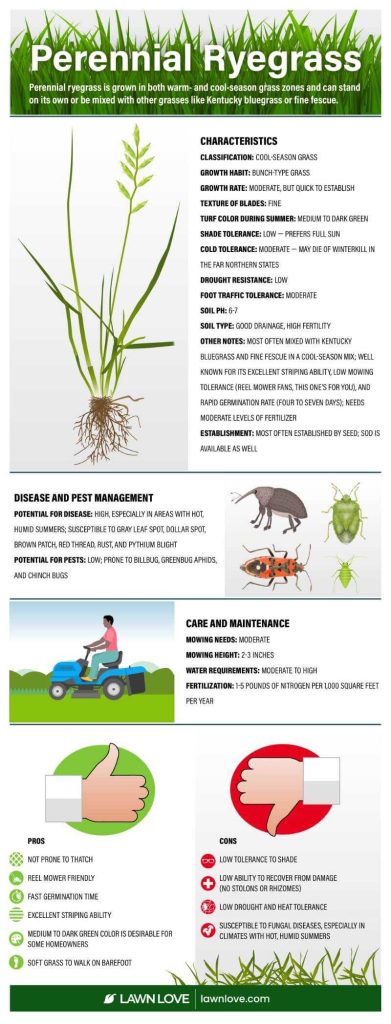
Quick Answer: Perennial ryegrass thrives in temperatures ranging from 50°F to 90°F (10°C to 32°C), making it an ideal grass for cool-season regions.
Welcome to our blog article on the temperature range for perennial ryegrass! If you’re wondering about the optimal temperatures for this versatile grass, you’ve come to the right place. Perennial ryegrass is known for its ability to withstand a wide range of temperatures, making it a popular choice for many regions. Whether you’re a homeowner, a golf course manager, or a sports field maintenance professional, understanding the temperature preferences of perennial ryegrass can help you maintain a lush and healthy lawn or playing surface.
Perennial ryegrass is classified as a cool-season grass, meaning it flourishes in cooler climates. It prefers temperatures between 50°F and 90°F (10°C to 32°C). This temperature range allows the grass to grow vigorously and maintain a beautiful green color throughout the growing season. However, it is important to note that perennial ryegrass is less tolerant of extreme heat compared to other warm-season grasses. High temperatures above 90°F (32°C) can cause stress and lead to dormancy or even death of the grass.
In cooler regions, perennial ryegrass can be overseeded onto warm-season lawns or used as a standalone grass. Its ability to germinate quickly and establish a dense turf makes it an excellent choice for winter lawn coverage. Additionally, this grass can handle light frosts and recover well from cold temperatures.
Now that you have a better understanding of the temperature range for perennial ryegrass, you can make informed decisions regarding its maintenance and care. Stay tuned for more tips and tricks on how to keep your grass looking its best year-round!

Perennial Ryegrass Temperature Range
Perennial ryegrass (Lolium perenne) is a cool-season grass that thrives in temperate regions. It is known for its ability to tolerate cold temperatures and adapt to various climates. Understanding the temperature range that perennial ryegrass can withstand is crucial for successful cultivation and maintenance. In this article, we will delve into the specific temperature requirements of perennial ryegrass, including its optimal range, tolerance limits, and the effects of extreme temperatures on its growth and health.
Optimal Temperature Range for Perennial Ryegrass
Perennial ryegrass performs best within a specific temperature range. The optimal temperature range for its growth and development lies between 55°F (13°C) and 75°F (24°C). Within this range, the grass exhibits vigorous growth, lush green color, and good tolerance to various stresses. These temperatures are considered ideal for the germination of perennial ryegrass seeds and the establishment of a healthy turf.
At temperatures above 75°F (24°C), perennial ryegrass starts to experience stress. Its growth slows down, and the grass may struggle to maintain its vibrant green color. High temperatures can lead to increased water requirements and can make the grass more susceptible to diseases and pests. Therefore, it is essential to provide shade or employ cooling methods to protect perennial ryegrass during hot summer months.
Tolerance to Cold Temperatures
One of the remarkable characteristics of perennial ryegrass is its ability to tolerate cold temperatures. It can survive freezing temperatures during winter and resume active growth once the conditions become favorable. However, the extent of its cold tolerance depends on various factors, including the cultivar, adaptation, and overall health of the grass.
Perennial ryegrass can withstand temperatures as low as 10°F (-12°C) without significant damage. However, prolonged exposure to extreme cold can cause injury to the grass, resulting in discoloration and reduced vigor. Utilizing cold-tolerant cultivars and implementing proper cultural practices, such as regular fertilization and irrigation, can enhance the grass’s ability to withstand harsh winter conditions.
Effects of Extreme Temperatures
While perennial ryegrass has a broad temperature range, extreme heat or cold can have adverse effects on its growth and overall health. Understanding these effects can help turf managers make informed decisions to protect and maintain their perennial ryegrass lawns.
1. Effects of High Temperatures:
– Reduced growth and increased dormancy: High temperatures can slow down the growth of perennial ryegrass, causing a decline in turf quality. The grass may enter a period of dormancy to conserve energy and protect itself from stress.
– Increased water requirements: During hot weather, perennial ryegrass needs additional irrigation to compensate for increased evaporation rates. Insufficient watering can lead to dehydration, discoloration, and even death of the grass.
– Susceptibility to diseases and pests: Heat-stressed perennial ryegrass is more susceptible to diseases like brown patch and pests like grubs. Proper maintenance practices, including regular mowing, aeration, and fungicide applications, can mitigate these risks.
2. Effects of Low Temperatures:
– Frost damage: Perennial ryegrass can experience damage when exposed to freezing temperatures and frost. This can manifest as brown or yellow patches in the turf. Avoiding excessive traffic on frosted lawns and refraining from mowing or aerating frozen turfs can reduce the risk of injury.
– Snow mold: Extended snow cover on perennial ryegrass lawns can create favorable conditions for the development of snow mold diseases. Timely snow removal, proper drainage, and proper fertilization can help prevent snow mold infestations.
Managing Perennial Ryegrass in Extreme Temperatures
To ensure the health and vitality of perennial ryegrass in extreme temperatures, certain management practices can be implemented:
1. Providing shade: If perennial ryegrass lawns are exposed to intense sunlight during hot summer days, providing temporary shade through the use of shade cloths or employing tree cover can help protect the grass from excessive stress and heat.
2. Proper irrigation: Adjusting irrigation schedules during hot weather is crucial. Watering deeply and infrequently helps promote a deeper root system, enabling the grass to access moisture even during dry spells. Avoiding excessive watering and allowing the soil to dry out slightly between irrigation cycles also helps prevent disease development.
3. Overseeding with warm-season grasses: In regions with extremely hot summers, overseeding perennial ryegrass lawns with warm-season grasses, such as Bermuda grass or Zoysia grass, can provide a more resilient turf during peak heat periods. These warm-season grasses are better adapted to high temperatures and require less maintenance.
4. Snow removal: If perennial ryegrass lawns are covered with snow for an extended period, removing the snow promptly can help prevent snow mold diseases and reduce the risk of damage to the grass.
In conclusion, understanding the temperature range within which perennial ryegrass thrives is essential for maintaining its health and appearance. By providing optimal growing conditions and implementing appropriate management practices in extreme temperatures, you can ensure the longevity and vibrancy of your perennial ryegrass lawn.
Temperature & Speed of Perennial Rye Grass Seed Germination: How Fast It Grows At Different Temps
Frequently Asked Questions
What is the temperature range for perennial ryegrass?
Perennial ryegrass can tolerate a wide range of temperatures, but it thrives in cooler climates. It grows best when daytime temperatures range from 60 to 75°F (15 to 24°C) and nighttime temperatures range from 40 to 55°F (4 to 13°C).
Can perennial ryegrass survive in hot temperatures?
Perennial ryegrass is not well-suited for hot temperatures, as it may struggle to establish and maintain during the summer months. High temperatures above 85°F (29°C) can cause stress and may lead to dormancy or decline. It is generally recommended to choose alternative grass species for regions with hot climates.
At what temperature does perennial ryegrass go dormant?
Perennial ryegrass typically enters dormancy when temperatures consistently exceed 85°F (29°C). During this period, the grass stops growing, turns brown, and conserves energy until cooler temperatures return. Dormancy is a natural survival mechanism for perennial ryegrass during unfavorable conditions.
Will perennial ryegrass survive winter freezing temperatures?
Perennial ryegrass is known for its excellent tolerance to freezing temperatures. It can withstand temperatures as low as 0°F (-18°C) without significant damage. However, extended periods of extreme cold or alternating freezing and thawing cycles can still cause stress and potential damage.
Can perennial ryegrass withstand frost?
Perennial ryegrass is moderately tolerant to frost. It can handle light frosts without severe damage, but prolonged exposure to heavy frost can be detrimental. It is recommended to provide proper care and avoid walking or mowing frozen grass to prevent breakage and minimize any potential harm.
How does perennial ryegrass handle heat waves?
Perennial ryegrass is not well-adapted to extreme heat, and prolonged heat waves can be challenging for its growth and survival. It may experience heat stress, resulting in wilting, browning, and even death. To mitigate the impact of heat waves, ensuring adequate irrigation, providing shade, and reducing foot traffic can be beneficial.
Final Thoughts
Perennial ryegrass has a versatile temperature range that allows it to thrive in various climates. It can tolerate both hot and cold temperatures, making it suitable for regions with fluctuating weather patterns. With an optimal temperature range of around 60-75°F (15-24°C), this grass adapts well to moderate climates, providing a lush, green lawn throughout the year. It can also withstand extreme temperatures, surviving in both freezing winters and scorching summers. The ability of perennial ryegrass to endure a wide temperature range makes it an excellent choice for homeowners looking for a durable and adaptable lawn grass.