Peat moss is a popular gardening amendment that offers a range of benefits, but it also comes with some drawbacks that you should consider before using it. On the plus side, peat moss is excellent for improving soil structure, enhancing moisture retention, and providing a lightweight medium for container gardening. However, its environmental impact, particularly the unsustainable harvesting of peat bogs, raises concerns. Additionally, peat moss can be acidic, which may not be suitable for all plants. So, is peat moss the right choice for your gardening needs? Let’s explore the pros and cons in detail to help you make an informed decision. Whether you’re a seasoned gardener or a newbie, understanding these factors will ensure your plants thrive.

Peat Moss Pros And Cons
Peat moss is often used in gardening and landscaping, but it has both advantages and disadvantages. Let’s delve into the **Peat Moss Pros and Cons** to understand its impact on the environment and its utility for gardeners.
What is Peat Moss?
Peat moss, also known as sphagnum moss, is a type of organic material that forms in waterlogged areas called peat bogs. It is harvested for various uses, particularly in the horticultural field. Understanding what it is helps clarify its role in gardening.
Pros of Peat Moss
1. Excellent Moisture Retention
One of the primary benefits of peat moss is its ability to retain moisture. It can hold up to 20 times its weight in water. This quality makes it ideal for pots and garden beds, reducing the frequency of watering.
2. Good Aeration
Peat moss is light and fluffy, allowing air to circulate well within soil mixtures. This aeration supports root growth, which is essential for healthy plants.
3. pH Neutrality
Peat moss is generally pH neutral. This trait makes it suitable for a variety of plants, especially those that prefer slightly acidic conditions.
4. Lightweight Material
Because peat moss is lightweight, it is easy to transport and handle. This characteristic is especially beneficial for indoor gardeners who often move pots around.
5. Organic Matter Addition
When mixed with soil, peat moss adds organic matter. This enrichment provides essential nutrients and improves soil structure, benefiting plant growth.
6. Pest Resistance
Peat moss is resistant to many pests and diseases. Using it in your garden can reduce the likelihood of infestations, helping keep your garden healthy.
Cons of Peat Moss
Despite its benefits, peat moss has some notable drawbacks that gardeners should consider.
1. Environmental Concerns
The harvesting of peat moss can be harmful to the environment. Peat bogs are unique ecosystems, and their destruction leads to loss of habitat and biodiversity.
2. Non-Renewable Resource
Peat moss takes thousands of years to form. Its use is often criticized because it is not a renewable resource in a human timescale. Once harvested, it cannot be replaced easily.
3. High Carbon Emissions
When peat moss is harvested and dried, it releases carbon dioxide into the atmosphere. This contributes to climate change and is a significant concern for environmentalists.
4. Nutrient Deficiency
While peat moss provides some nutrients, it lacks essential minerals like nitrogen. Gardeners may need to supplement with fertilizers to ensure plants thrive.
5. Compaction Issues
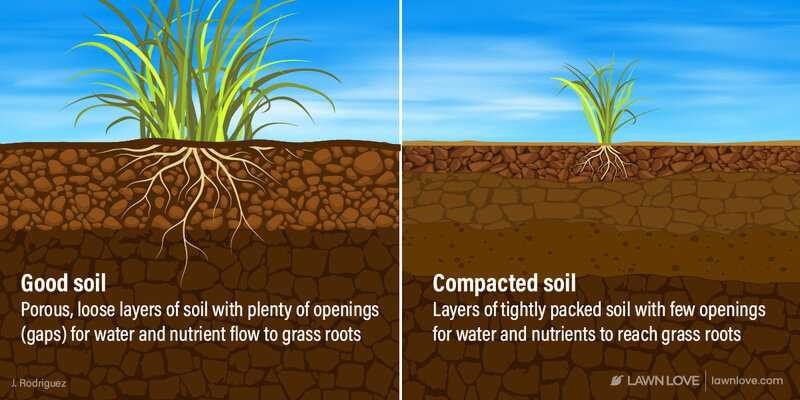
Over time, peat moss can compact when used in potting mixes. This compaction can reduce aeration and moisture retention, counteracting some of its advantages.
Using Peat Moss in Gardening
1. Best Applications
Peat moss is best used in specific applications, such as:
- Seed starting
- Potting mixes
- Soil amendments
These uses help maximize its benefits while minimizing its downsides.
2. Combining with Other Materials
Combining peat moss with other materials can create a balanced soil mix. Consider mixing it with:
- Coconut coir
- Compost
- Perlite
This combination can help mitigate some of peat moss’s drawbacks, such as nutrient deficiency.
3. Alternatives to Peat Moss
If you are concerned about the environmental impact of peat moss, consider these alternatives:
- Coconut coir
- Leaf mold
- Compost
These options can provide similar benefits without contributing to habitat destruction.
Choosing to use peat moss in gardening comes with both advantages and disadvantages. While it offers excellent moisture retention, good aeration, and adds organic matter to the soil, it also poses environmental concerns and is not a renewable resource. By weighing the **Peat Moss Pros and Cons** and considering alternatives, gardeners can make informed decisions that benefit both their plants and the planet. Finding the right balance is essential for sustainable gardening practices that can thrive for years to come.
What is Peat Moss? I Pros and Cons
Frequently Asked Questions
What are the environmental impacts of using peat moss?
Using peat moss can contribute to environmental concerns due to its extraction process, which involves draining peatlands. This practice releases stored carbon dioxide, exacerbating climate change. Additionally, the degradation of peatlands can threaten local ecosystems and biodiversity, as these areas are critical habitats for various species.
How does peat moss affect soil pH?
Peat moss typically has an acidic pH, which can affect the overall pH of the soil when mixed in. This acidity can be beneficial for acid-loving plants, but may hinder the growth of plants that prefer neutral to alkaline soils. Gardeners should consider their plant choices and soil requirements before relying heavily on peat moss.
Can peat moss retain moisture effectively?
Peat moss excels at retaining moisture, making it an excellent additive for improving soil’s water-holding capacity. It absorbs water and holds it for plant roots, reducing the need for frequent watering. However, it is essential to balance peat moss with other materials to prevent overly soggy conditions, which could harm some plant varieties.
Is peat moss renewable or sustainable?
Peat moss is not considered a renewable resource. It takes thousands of years to form, and once harvested, it cannot be quickly replaced. Sustainable alternatives, such as coconut coir or compost, are becoming more popular as gardeners seek eco-friendly options that do not deplete natural resources.
How does using peat moss impact plant growth?
When used appropriately, peat moss can significantly enhance plant growth by improving soil structure and moisture retention. However, its high acidity may not suit all plants, and using too much can lead to nutrient imbalances. Understanding the specific needs of your plants is crucial when incorporating peat moss into your gardening practices.
Final Thoughts
Peat Moss Pros And Cons highlight the various benefits and drawbacks of using peat moss in gardening and landscaping. On one hand, peat moss improves soil structure and retains moisture, making it a popular choice for many gardeners. On the other hand, its environmental impact raises concerns, as peat extraction can harm sensitive ecosystems.
Weighing these factors helps gardeners make informed decisions. Understanding the Peat Moss Pros And Cons can guide you toward sustainable practices while enjoying the advantages peat moss offers. Ultimately, consider your gardening goals and environmental considerations before choosing peat moss as a soil amendment.