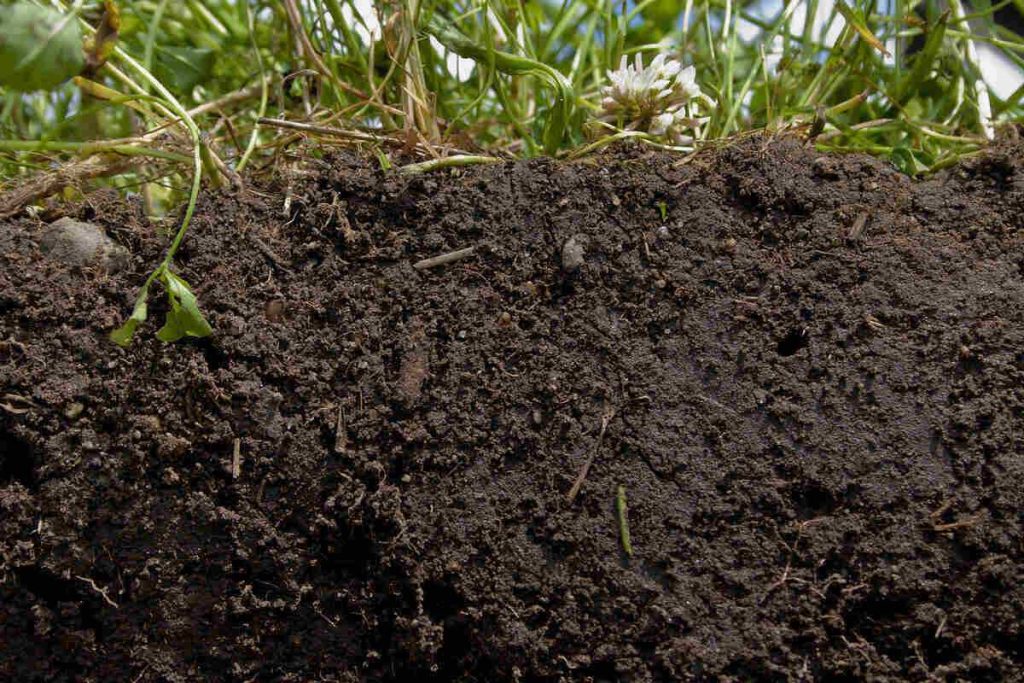
Looking to grow a lush, green lawn without the use of harsh chemicals? You’re in the right place! Organic lawn care is all about nurturing your grass naturally, promoting a healthy ecosystem right in your backyard. By focusing on soil health, using organic fertilizers, and maintaining proper watering and mowing techniques, you can cultivate a vibrant lawn that’s both beautiful and eco-friendly. Techniques like composting, mulching, and introducing beneficial microorganisms can make a world of difference. Not only will you create a safer environment for your family and pets, but you’ll also contribute to the well-being of your local wildlife. Let’s dive into the steps you can take to achieve that chemical-free, green paradise you’ve always wanted!

Organic Lawn Care: How To Grow Chemical Free Grass
Creating a healthy, lush lawn doesn’t have to involve harsh chemicals. In fact, organic lawn care focuses on promoting natural growth while protecting the environment. This guide will break down various strategies to achieve beautiful grass without the use of synthetic fertilizers or pesticides.
Understanding Organic Lawn Care
Organic lawn care is all about working in harmony with nature. The main goal is to nurture the soil, which then supports healthy grass. Healthy soil fosters a strong root system that can withstand pests and diseases.
Instead of chemical treatments, organic methods rely on natural materials. These can include compost, mulch, and organic fertilizers. By focusing on the health of your lawn and the surrounding ecosystem, you can create a sustainable environment.
The Benefits of Chemical-Free Grass
Why consider organic lawn care? Here are some of the key benefits:
- *Environmental Protection*: Avoiding chemicals helps reduce pollution.
- *Improved Soil Health*: Organic practices encourage beneficial microorganisms in the soil.
- *Safer for Pets and Children*: Chemical-free lawns are safer for your loved ones.
- *Cost-Effective*: Organic materials often cost less than chemical treatments.
Focusing on organic methods can lead to long-term benefits that enhance not just your lawn but also the surrounding ecosystem.
Choosing the Right Grass Variety
Selecting the appropriate grass type is crucial for a healthy lawn. Different grass varieties thrive in various climates and conditions. To choose the right one:
- *Assess Your Region*: Some grasses grow better in cooler temperatures while others thrive in warm climates.
- *Consider Sunlight*: Some grasses prefer full sun, while others do better in shade.
- *Think About Usage*: If your lawn will endure heavy traffic, choose a durable variety.
Researching grass types can help you find the perfect fit for your lawn care goals.
Preparing the Soil
Soil preparation is a foundation of organic lawn care. Healthy soil supports robust grass growth. Here’s how to get started:
1. **Test Your Soil**: Conduct a soil test to understand pH and nutrient levels. This will provide insights into what your soil needs.
2. **Aerate the Soil**: Aeration creates holes in the soil, allowing air, water, and nutrients to penetrate deeper. This is especially beneficial for compacted lawns.
3. **Amend with Organic Matter**: Adding compost or well-rotted manure can improve soil structure, boost fertility, and increase microbial activity.
Proper soil preparation lays the groundwork for thriving grass.
Organic Fertilization Methods
Feeding your grass naturally can make a substantial difference. Organic fertilization is a key component of chemical-free lawn care. Here are some options to consider:
- *Compost*: Enriches the soil and provides essential nutrients.
- *Mulch*: Helps retain moisture and suppress weeds while breaking down to nourish the soil.
- *Organic Fertilizers*: Products made from natural ingredients can provide balanced nutrition.
Applying these organic fertilizers can significantly enhance your lawn’s health and vitality.
Watering Practices
Watering is essential for grass growth, but it must be done correctly. Overwatering can lead to disease, while underwatering stresses the grass. Here are some tips for effective watering:
– **Water Early or Late**: Early mornings are the best time to water. This reduces evaporation and fungal growth.
– **Deep and Infrequent Watering**: Water deeply but infrequently to encourage roots to grow deep into the soil.
– **Use Rain Barrels**: Collect rainwater to conserve resources and provide a natural source of hydration.
Establishing a proper watering routine is important for maintaining healthy grass.
Weed Management Without Chemicals
Weeds can be a nuisance, but there are several organic methods to keep them at bay without chemicals. Here are some strategies:
- *Hand Pulling*: This is the simplest method for small lawns.
- *Mulching*: A layer of mulch can prevent weed growth by blocking sunlight.
- *Corn Gluten Meal*: This natural herbicide prevents weed seeds from germinating.
Regular maintenance and vigilance can help manage weeds effectively.
Managing Pests Organically
Pests are an inevitable part of lawn care, but that doesn’t mean you have to resort to chemicals. Consider these organic pest management strategies:
1. **Encourage Beneficial Insects**: Ladybugs and lacewings can help control pest populations naturally.
2. **Neem Oil**: This natural pesticide can repel pests without harming beneficial insects.
3. **Insecticidal Soap**: Spraying plants with this solution can effectively target soft-bodied insects.
Adopting these methods ensures a healthy balance in your lawn.
Maintaining Grass Health During the Seasons
Seasonal maintenance is vital for a thriving organic lawn. Make sure to follow these seasonal practices:
– **Spring**: Start with aeration and overseed to fill in bare patches. Fertilize lightly with compost.
– **Summer**: Maintain proper watering and mow at the correct height to protect against heat stress.
– **Fall**: Overseed and fertilize to prepare for winter. Raking leaves is essential to prevent mold.
– **Winter**: Minimize foot traffic on frozen grass. Keep tools stored properly.
Regular seasonal care ensures that your grass remains healthy year-round.
Embracing organic lawn care is not only beneficial for your grass but also for the environment. By utilizing natural methods and materials, you can create a beautiful lawn that’s safe for everyone. Experimenting with these strategies will help you find the perfect balance for your landscape. Start today, and you’ll soon have a vibrant, chemical-free lawn to enjoy!
FIRST STEP to ORGANIC Lawn Care // Trusting the Natural Processes
Frequently Asked Questions
What are the benefits of using organic methods for lawn care?
Using organic methods for lawn care provides numerous benefits. Organic practices improve soil health by enhancing microbial activity and increasing nutrient availability. They reduce the risk of chemical runoff into local waterways, protecting the environment. Additionally, organic lawns often require less water and are more resilient to pests and diseases, leading to a healthier, greener lawn overall.
How can I naturally fertilize my lawn?
Natural fertilizers such as compost, manure, and bone meal can effectively nourish your lawn. Compost adds organic matter to the soil, promoting healthy growth. Manure provides essential nutrients, while bone meal supplies phosphorus for root development. You can also use natural products like fish emulsion or seaweed extract as liquid fertilizers to boost plant health.
What are some effective techniques for weed control in an organic lawn?
For effective weed control in an organic lawn, consider practices such as mulching, manual weeding, and using organic herbicides. Mulching suppresses weed growth by blocking sunlight and conserving moisture in the soil. Manually pulling weeds before they set seed helps prevent their spread. Additionally, organic herbicides made from natural ingredients can target specific weeds without harming surrounding plants.
How can I improve the soil quality for my lawn?
Improving soil quality for your lawn involves adding organic matter, aerating the soil, and testing the soil pH. Incorporate compost and organic matter to enhance soil structure and fertility. Aerating the soil allows air, water, and nutrients to penetrate deeper, improving root growth. Testing the pH helps determine the right amendments needed to create an ideal growing environment for grass.
What is the best time to seed an organic lawn?
The best time to seed an organic lawn depends on your climate. Generally, early spring or early fall are ideal for seeding. These times provide the necessary moisture and temperature conditions for optimal seed germination and establishment. For warm-season grasses, aim to seed in late spring, while cool-season grasses thrive when seeded in early fall.
How do I maintain an organic lawn throughout the year?
Maintaining an organic lawn year-round requires regular mowing, watering, and periodic fertilization. Mow at the right height to encourage healthy growth and prevent weed establishment. Water deeply but infrequently to encourage deep root growth. Apply organic fertilizers seasonally to support grass health and consider overseeding in the fall to fill in any bare patches and improve lawn density.
Final Thoughts
Organic Lawn Care How To Grow Chemical Free Grass emphasizes the importance of nurturing your lawn without synthetic inputs. By focusing on natural methods, you promote healthier soil and ecosystems.
Implement practices like proper mowing, overseeding, and composting to enhance your lawn’s vitality. Regularly test your soil to understand its needs better.
Ultimately, prioritizing organic lawn care leads to a lush, green space that benefits both your home and the environment. Embrace these strategies to achieve a thriving, chemical-free lawn.