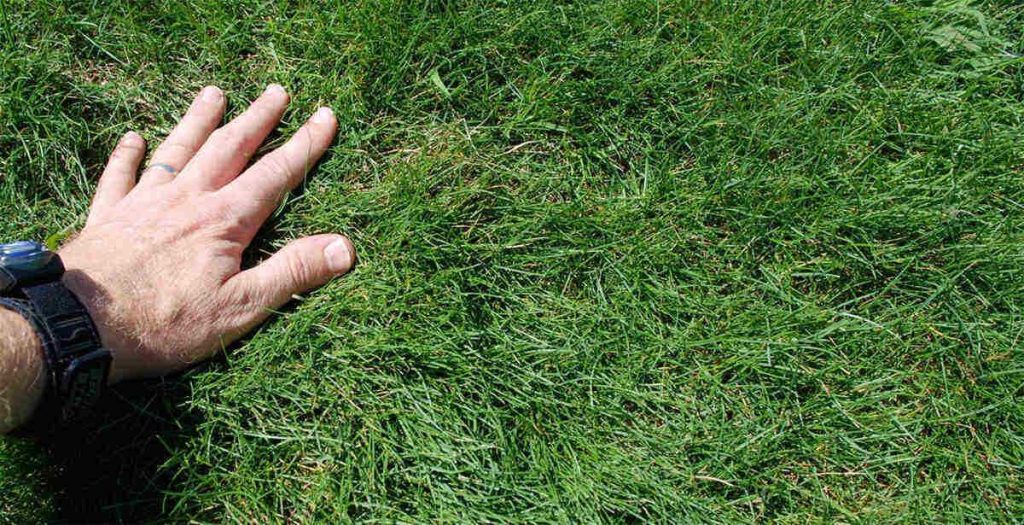
If you’re dealing with fine fescue grass and notice its health declining, you’re likely encountering one of several common diseases that can affect this turf. The most prevalent issues include brown patch, powdery mildew, and red thread. To address these problems effectively, maintaining proper lawn care routines, such as adequate watering, mowing practices, and nutrient management, is essential. Early identification and treatment are key to restoring your lawn’s vitality. Fine fescue grass can be resilient and beautiful, but it requires vigilance against potential threats. Understanding the signs of these diseases can help you take swift action, ensuring your grass stays lush and green throughout the season. Let’s delve deeper into these common ailments and how to combat them.

Most Common Diseases In Fine Fescue Grass
Fine fescue grass is a popular choice for lawns, golf courses, and other areas due to its fine texture and shade tolerance. However, like any plant, it is susceptible to various diseases that can affect its health and appearance. Understanding these common diseases can help you manage and maintain a thriving fescue lawn.
Understanding Fine Fescue Grass
Fine fescue is a category of turfgrass that includes several species:
- Hard fescue
- Chewings fescue
- Creeping red fescue
- Sheep fescue
These grasses are valued for their ability to grow in cooler, shady environments. They have a fine leaf texture, making them aesthetically pleasing. Unfortunately, certain diseases can severely impact their growth and health.
Common Diseases Affecting Fine Fescue Grass
Fine fescue is vulnerable to many diseases. Here are some of the most common ones you might encounter.
1. Brown Patch
Brown patch is a fungal disease that appears as circular patches of brown grass.
– Causes: It thrives in warm, humid conditions with high nitrogen levels.
– Symptoms: Look for brown, irregular patches that can range from a few inches to several feet in diameter.
Preventing brown patch involves proper watering techniques and avoiding excessive nitrogen fertilization.
2. Leaf Spot
Leaf spot is another common fungal disease that affects fine fescue.
– Causes: This disease is often caused by the fungus *Bipolaris*, which can spread rapidly in humid conditions.
– Symptoms: You will notice small, dark spots on the leaves, which can gradually lead to yellowing and death of the grass blades.
Proper lawn maintenance and air circulation can help minimize the risk of leaf spot.
3. Fusarium Blight
Fusarium blight is a disease that can devastate fine fescue turf.
– Causes: It is caused by the fungus *Fusarium* that thrives in hot weather.
– Symptoms: You may see sunken, tan patches that turn yellow over time.
Maintaining a balanced fertilizer regimen and promoting good drainage can help manage this fungus.
4. Dollar Spot
Dollar spot is a common disease in fine fescue, particularly in areas with high humidity.
– Causes: It’s caused by the fungus *Sclerotinia homoeocarpa*.
– Symptoms: You will see small, silver-dollar-sized spots of dead grass.
Mowing regularly and ensuring proper moisture levels can help prevent dollar spot outbreaks.
Environmental Factors Influencing Disease Development
Several environmental factors contribute to the health of fine fescue grass and the likelihood of disease occurrence.
1. Temperature and Humidity
Extreme temperatures and high humidity levels can create a perfect environment for fungal growth.
– Warm nights increase the risk of diseases like brown patch.
– Cool, wet conditions can help diseases like leaf spot thrive.
Maintaining proper temperature and moisture levels can keep your lawn healthy.
2. Soil Health
Soil health plays a crucial role in the health of fine fescue.
– Poor soil with low nutrients can make grass more susceptible to disease.
– Regular soil testing can help determine nutrient levels and soil pH.
Using quality compost and aerating the soil can improve its health.
3. Light Conditions
Fine fescue thrives in partial to full shade.
– Areas with too much sun can stress the grass and lead to disease.
– Ensuring adequate shade can help maintain healthy growth.
Planting other shade-tolerant plants can help create the right microclimate for your fescue.
Managing Diseases in Fine Fescue Grass
Effective management of fine fescue diseases requires a comprehensive approach. Here are some strategies:
1. Proper Watering Practices
Watering practices can significantly impact your lawn’s health.
- Water early in the morning to reduce humidity levels during the night.
- Avoid overwatering, as it can lead to root rot and fungal diseases.
It’s essential to provide just the right amount of water to your fine fescue grass.
2. Fertilization
Fertilization is crucial for lawn health, but it must be done correctly.
– Use a balanced fertilizer that provides essential nutrients without excess nitrogen.
– Follow local guidelines for fertilization based on your region.
Proper fertilization can help strengthen the grass and make it less susceptible to disease.
3. Regular Mowing
Regular mowing can have a positive impact on the health of fine fescue.
- Mow at the recommended height for fine fescue to encourage strong growth.
- Keep blades sharp to avoid tearing the grass.
Proper mowing helps manage growth and promotes healthy grass.
4. Aeration
Aerating your lawn can improve air circulation and reduce soil compaction.
– Aeration allows water and nutrients to reach the roots more effectively.
– Consider aerating in the fall or spring to prepare your fescue for healthy growth.
Regular aeration can contribute to a healthier lawn overall.
Identifying and Treating Diseases Early
Early detection is key in managing diseases. Look for the following signs to catch issues before they escalate:
- Discoloration of grass blades
- Irregular patches or spots on the lawn
- Stunted growth
If you notice any of these signs, take action immediately to treat the disease effectively.
1. Cultural Controls
Cultural controls involve changing maintenance practices to reduce disease occurrences.
– Ensure proper lawn maintenance, including dethatching and aeration.
– Use disease-resistant grass varieties when reseeding or establishing new lawns.
Cultural controls can significantly reduce the likelihood of disease development.
2. Chemical Treatments
In some cases, it may be necessary to use fungicides to manage severe disease outbreaks.
– Always follow the manufacturer’s instructions when applying any chemical treatments.
– Consider using environmentally friendly options whenever possible.
Chemical treatments should be a last resort after trying cultural controls.
Fine fescue grass can be a beautiful and practical choice for your lawn, but it is essential to understand the common diseases that can affect its growth. By recognizing the signs of disease, employing effective management practices, and maintaining a healthy environment, you can keep your fine fescue grass thriving. Regular monitoring and prompt action can help ensure that your lawn remains healthy, vibrant, and free from disease.
Disease management for tall fescue lawns
Frequently Asked Questions
What are the symptoms of brown patch in fine fescue grass?
Brown patch appears as irregularly shaped brown or yellowish patches on the grass. The affected areas may feel soft and mushy, and the grass blades often show signs of wilting. This disease thrives in warm, humid conditions, particularly during the summer months, leading to rapid spread if not managed promptly.
How can I identify dollar spot disease in my fine fescue lawn?
Dollar spot disease manifests as small, round, tan or straw-colored patches that can range from the size of a silver dollar to larger areas. The grass blades often exhibit a water-soaked appearance at the edges. This disease typically occurs in warm, humid weather and can spread quickly if the lawn is not properly maintained.
What environmental factors contribute to the development of Fusarium blight in fine fescue grass?
Fusarium blight occurs when fine fescue grass experiences stress from environmental factors such as drought, high temperatures, or poor drainage. Additionally, excessive nitrogen fertilization can increase susceptibility. This disease primarily affects grass during the summer months, leading to thinning and patchy areas in the lawn.
How can I prevent rust disease in fine fescue grass?
To prevent rust disease, maintain a healthy lawn by ensuring proper watering, mowing, and fertilization practices. Avoid cutting grass too short, as taller grass can better shade the soil and reduce the risk of disease. Additionally, promote good air circulation by spacing plants appropriately and avoiding overcrowding.
What treatment options exist for managing leaf spot in fine fescue grass?
Managing leaf spot involves a combination of cultural practices and fungicide applications. Ensure proper lawn care by mowing regularly at the correct height, watering deeply but infrequently, and maintaining a balanced fertilization routine. If the disease persists, applying a suitable fungicide can help control the outbreak.
Final Thoughts
The presence of various diseases can significantly affect fine fescue grass health and appearance. Key issues include brown patch, dollar spot, and leaf spot, which can lead to patchy areas and overall decline if not managed properly. Regular maintenance, including proper watering and mowing practices, plays a vital role in preventing these diseases. Understanding the ‘Most Common Diseases In Fine Fescue Grass’ helps you take proactive measures for a thriving lawn.