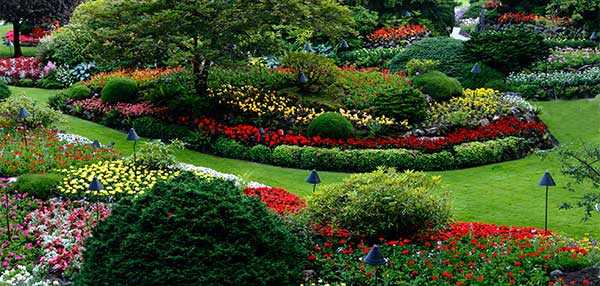
Lowering your energy bills can be as simple as enhancing your outdoor space through thoughtful landscaping. By strategically planting trees, shrubs, and other greenery, you can create natural shade for your home, reducing the need for air conditioning in hot weather. Additionally, incorporating native plants can lead to reduced water usage and maintenance costs. The right landscaping choices not only beautify your property but also create a microclimate that keeps your home cooler in summer and warmer in winter. So, if you’re looking to save money on your energy costs while enjoying a more attractive yard, investing in landscaping is a smart solution that pays off in numerous ways.

“`html
Lower Energy Bills With Landscaping
When it comes to managing household expenses, energy bills can take up a significant chunk of your budget. Landscaping isn’t just about beautifying your property; it can also lead to lower energy bills. By strategically planting trees, shrubs, and flowers, we can influence our home’s energy efficiency. This article will delve into the various ways landscaping contributes to reducing energy costs and enhancing comfort in your home.
The Science Behind Landscaping and Energy Efficiency
Landscaping plays a critical role in energy efficiency. Plants can provide shade, which helps cool your home in the summer. This leads to a decreased reliance on air conditioning. Research shows that properly placed trees can reduce cooling costs by up to 30%.
Moreover, during winter, strategic landscaping can act as a windbreak. Shielding your home from cold winds keeps it warmer, which reduces heating expenses. Studies indicate that a well-placed row of trees can lower heating costs by 10-20%.
Choosing the Right Plants
To maximize energy savings, it’s essential to choose the right plants. Consider these factors:
- Tree Placement: Deciduous trees provide shade in summer while allowing sunlight in during winter.
- Local Climate: Select plants that thrive in your area to ensure their longevity and effectiveness.
- Height and Spread: Ensure trees will not block essential sunlight from your home.
Selecting plants suited for your region not only saves water but also minimizes maintenance needs, which can lead to additional savings.
Shade Trees: Your Best Friends
Shade trees are essential for reducing energy consumption. Here are their benefits:
- They block direct sunlight, keeping your home cooler.
- They lower the temperature of the surrounding air, enhancing your outdoor comfort.
- They provide natural beauty and increase your property value.
When planting shade trees, consider their mature size and growth rate. Fast-growing trees can provide quick shade, while slower-growing varieties offer long-term benefits.
Best Types of Shade Trees
Some of the best shade trees include:
- Oak: A robust tree that offers excellent shade.
- Maple: Known for its beautiful fall colors and wide canopy.
- Elm: A classic choice with a strong structure.
Make sure to plant these trees at least 10-15 feet away from your home to avoid any potential roof or foundation issues.
The Role of Shrubs and Hedges
Shrubs and hedges play a complementary role in energy savings. They can shield your home from wind, saving you heating costs during winter months. Here’s how they help:
- They act as a barrier against cold winds.
- They can create microclimates, allowing you to enjoy warmer outdoor temperatures.
When arranging shrubs, consider planting them on the northern and western sides of your home for optimal wind protection.
Choosing the Right Shrubs
Look for shrubs that can withstand local weather conditions. Some examples include:
- Boxwood: Provides year-round greenery and dense coverage.
- Holly: Offers attractive foliage and berries.
- Juniper: A hardy shrub that requires little maintenance.
These shrubs not only save energy but also add aesthetic appeal.
Creating Outdoor Living Spaces
Landscaping adds value to your home by creating inviting outdoor spaces. These areas can help lower energy bills too. For instance, patios or decks can extend your living space, allowing you to enjoy the outdoors instead of relying solely on air conditioning.
Consider these features for outdoor spaces:
- Vegetable Gardens: Growing your food can reduce grocery bills.
- Shade Structures: Pergolas or awnings can provide additional shade.
By making your outdoor space inviting, you may find yourself using it more often, leading to reduced energy consumption indoors.
Water Efficiency Through Landscaping
Watering your garden can also contribute to your overall energy costs. When you design your landscape with water-efficient plants, you reduce the need for irrigation. Here are some tips:
- Native Plants: Choose plants that thrive in your local environment.
- Xeriscaping: This technique uses drought-resistant plants to minimize water needs.
A well-planned landscape not only conserves water but also cuts down on the energy used to pump and treat water.
Benefits of Mulching
Mulching helps retain moisture in the soil, reducing the need for frequent watering.
- It regulates soil temperature.
- It prevents weeds, reducing competition for water and nutrients.
Using organic mulch enriches the soil while saving water and energy.
Landscaping offers numerous benefits for energy savings. By investing time and effort into your outdoor space, you can create a beautiful, energy-efficient environment. From selecting the right plants to creating outdoor living areas, every choice contributes to lower energy bills. The investment in landscaping pays off not only in energy savings but also in increased property value and personal enjoyment of your home.
“`
5 Simple Tricks to Lower Your Energy Bill 50% or MORE Guaranteed!
Frequently Asked Questions
“`html
How can trees and shrubs impact energy efficiency in homes?
Planting trees and shrubs around your home can significantly improve energy efficiency. By providing shade during the hot months, these plants reduce the need for air conditioning, which lowers energy bills. Furthermore, strategically placed greenery can act as windbreaks in colder months, helping retain heat inside your home, thus reducing heating costs.
What landscaping features can help reduce cooling costs?
Landscaping features such as water features, flower beds, and patios can contribute to reducing cooling costs. These elements enhance air circulation and create a cooler microclimate around your home. Additionally, incorporating permeable surfaces allows water to evaporate, providing a natural cooling effect that lowers temperatures nearby.
How does proper landscaping reduce heating expenses in winter?
In winter, landscaping that includes evergreens can help block cold winds, making your home feel warmer. Installing windbreaks, like fences or dense vegetation, can prevent cold air from infiltrating your living space, ultimately decreasing heating expenses. This strategy allows you to maintain a comfortable indoor temperature while using less energy for heating.
Are there specific plants that are better for energy efficiency?
Yes, certain plants are particularly effective at improving energy efficiency. Deciduous trees, for instance, provide shade in the summer while allowing sunlight to warm your home during the winter after their leaves drop. Additionally, native plants typically require less water and maintenance, further reducing energy and resource consumption.
What maintenance practices should I adopt for an energy-efficient landscape?
To maintain an energy-efficient landscape, focus on regular watering, pruning, and mulching. Proper watering practices ensure plants thrive without excessive use of resources. Pruning helps maintain healthy growth, allowing for maximum shade and wind protection. Mulching conserves moisture and regulates soil temperature, supporting plant health and reducing the need for additional heating or cooling.
“`
Final Thoughts
Landscaping not only enhances your property’s curb appeal but also leads to lower energy bills. By strategically placing trees and shrubs, you can provide shade to your home, which helps reduce air conditioning costs in the summer.
Moreover, well-designed landscaping can aid in insulation, keeping your home warm during winter months. Investing in green spaces ultimately promotes environmental sustainability while ensuring a more comfortable and cost-effective living space. Lower Energy Bills With Landscaping is a practical approach every homeowner should consider for long-term benefits.