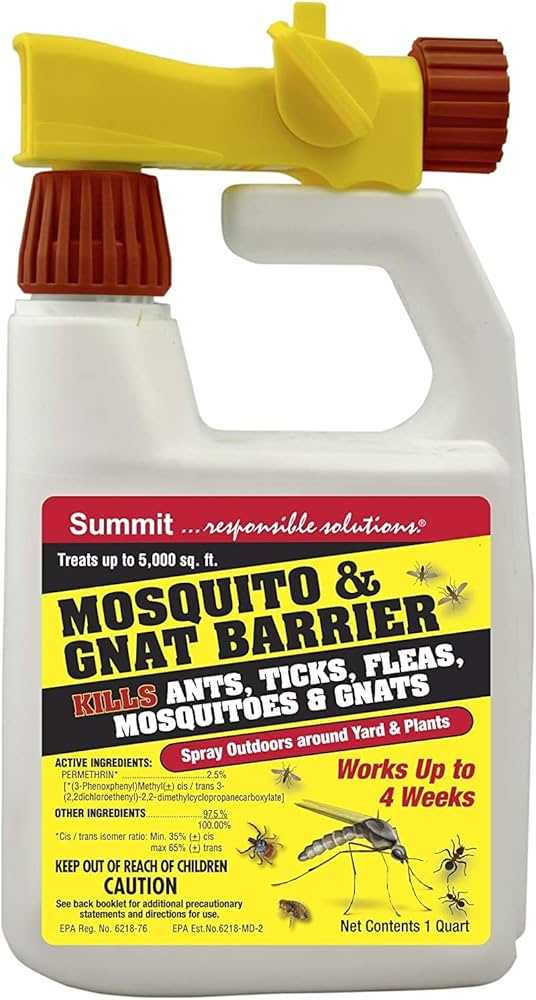
If you’re struggling with pesky lawn gnats invading your outdoor space, you’ve come to the right place for a quick solution. The best way to tackle these annoying insects is by using a combination of natural remedies and insecticides specifically designed for gnats. Essential oils like neem or peppermint can be effective while maintaining your lawn’s health. Additionally, ensuring proper drainage and reducing excess moisture can significantly diminish their population. Now, let’s dive into some effective strategies and products to help you eliminate lawn gnats for good, so you can enjoy your yard without the nuisance of these tiny invaders. After all, a beautiful lawn should be a place of relaxation, not irritation!

“`html
Lawn Gnats Killer: Effective Solutions for Your Problem
Lawn gnats can be a nuisance when you’re trying to enjoy your backyard or garden. They often seem to swarm around your head, making outdoor activities less enjoyable. Understanding how to deal with these pesky insects is crucial for maintaining a pleasant outdoor space. In this article, we will explore various methods and products that act as effective lawn gnats killers.
Understanding Lawn Gnats
Before diving into solutions, it’s important to know what lawn gnats are. Lawn gnats, also known as fungus gnats, are small, flying insects that thrive in damp environments. They are often found around overwatered plants or poorly drained soil.
– **Appearance**: Lawn gnats are tiny, about 1/8 inch long, with dark bodies and long legs.
– **Habitat**: They prefer moist areas, usually near decaying organic matter or fungus.
Knowing their habits and habitats can help you target your efforts to kill and prevent them.
Why Are Lawn Gnats a Problem?
Lawn gnats may seem harmless, but they can cause several issues in your garden. Here are some reasons why it’s important to control their population:
– **Damage to Plants**: Adult gnats do not feed on plants but their larvae can. They feed on roots and can stunt plant growth.
– **Annoyance**: Swarming gnats can ruin outdoor fun. Their presence can deter you from enjoying your garden or lawn.
– **Disease Transmission**: Although they are not major carriers of diseases, they can introduce pathogens into your plants.
Addressing the issue of lawn gnats promptly helps safeguard your plants and keeps your outdoor space enjoyable.
Identifying Lawn Gnat Infestations
Spotting a lawn gnat infestation early can save your plants and outdoor space. Here are some signs to look out for:
– **Swarming Behavior**: If you notice small flies buzzing around your head while outdoors, it’s likely lawn gnats.
– **Wilting Plants**: If your plants appear wilted or are not growing as they should, investigate for gnats.
– **Soil Moisture**: Check the moisture levels in your garden soil. Overly wet conditions attract these pests.
Identifying these signs promptly allows you to take action before the problem escalates.
Natural Remedies to Kill Lawn Gnats
If you’re looking for an environmentally friendly approach, several natural remedies can effectively kill lawn gnats. Here are some popular options:
Soap and Water Solution
Mixing soap with water creates a solution that can kill gnats on contact.
– **How to Use**: Combine two tablespoons of liquid soap in a spray bottle filled with water. Spray directly on the gnats.
Vinegar Trap
Vinegar traps are effective at luring and trapping gnats.
– **How to Set Up**: Fill a bowl with apple cider vinegar and add a few drops of dish soap. The scent attracts gnats, while the soap traps them.
Coffee Grounds
Using coffee grounds can repel gnats.
– **How to Use**: Spread a layer of coffee grounds on the soil surface. This deters gnats from laying eggs.
These natural solutions are safe for the environment but may take longer to show results than chemical options.
Chemical Solutions for Lawn Gnats
If natural remedies do not yield results, consider using chemical solutions. Several products can effectively eliminate lawn gnats.
Insecticidal Soaps
Insecticidal soaps work by suffocating lawn gnats.
– **Application Tips**: Spray on infested areas, targeting the undersides of leaves where gnats often hide.
Pyrethrin Sprays
Pyrethrin is a natural insecticide derived from chrysanthemum flowers.
– **Using Pyrethrin**: Apply as directed on the packaging, ensuring even coverage.
Larvicides
These chemicals target the larvae in the soil.
– **When to Use**: Apply during the larval stage for maximum effectiveness.
When using any chemical solution, always follow the safety instructions on the label.
Preventing Future Infestations
Once you’ve dealt with lawn gnats, preventing their return is essential. Here are some helpful tips:
Watering Practices
Overwatering is a common cause of gnat infestations.
– **Tip**: Allow the top inch of soil to dry out between waterings.
Soil Drainage
Good soil drainage helps prevent the damp conditions that attract gnats.
– **How to Improve Drainage**: Add organic matter like compost to improve soil structure.
Regular Cleaning
Keeping your garden tidy can deter gnats.
– **Routine**: Clear away decaying leaves and organic debris regularly.
Implementing these prevention strategies makes it harder for lawn gnats to thrive in your space.
Using Yellow Sticky Traps
Yellow sticky traps are a handy tool for monitoring and controlling gnat populations.
– **How They Work**: Gnats are attracted to the yellow color and get stuck on the surface.
– **Where to Place Traps**: Position traps near affected plants or areas where gnats are commonly seen.
Using these traps can help you gauge the severity of an infestation and adjust your control methods accordingly.
Professional Pest Control Services
If your lawn gnat issue becomes overwhelming, consider hiring a professional pest control service.
– **Benefits**: Professionals have access to advanced treatments and can identify underlying issues in your garden.
They can also provide tailored solutions to effectively eliminate and prevent lawn gnat infestations.
Managing lawn gnats requires a combination of understanding their habits and implementing effective control measures. By using natural remedies, chemical solutions, and preventive strategies, you can keep your outdoor spaces free from these pests. Maintaining a healthy garden through regular watering practices and soil management will also reduce the chances of future infestations. Remember, a clean and well-cared-for lawn is less likely to attract lawn gnats, allowing you to concentrate on enjoying your outdoor oasis.
“`
How to Get Rid of Gnats Outdoors (4 Easy Steps)
Frequently Asked Questions
“`html
What are the common signs that indicate a lawn gnat problem?
Common signs of a lawn gnat infestation include noticing small, flying insects hovering near the ground, particularly in shady areas or around moist spots. You may also see larvae or eggs in damp soil, especially if you notice the presence of dying grass or plants. If you feel a strong irritation from biting gnats while spending time outdoors, it also signifies a potential gnat issue.
How can I prevent lawn gnats from infesting my yard?
To prevent lawn gnats, maintain a healthy lawn by regularly mowing and watering it in moderation. Avoid overwatering, as standing water fosters gnat breeding. Aerating your soil helps improve drainage and reduces moisture accumulation. Additionally, removing organic debris, such as leaves and grass clippings, limits gnat habitats.
Are there natural remedies to control lawn gnats?
Yes, you can use several natural remedies to control lawn gnats. Essential oils like peppermint, tea tree, or eucalyptus can repel gnats when mixed with water and sprayed in affected areas. Additionally, introducing beneficial nematodes or certain predatory insects can help reduce gnat populations naturally.
How long does it take to see results from using a lawn gnat killer?
Results from a lawn gnat killer typically appear within a few hours to a few days, depending on the product used and the severity of the infestation. Always follow the instructions on the product label for optimal results. In some cases, repeat applications may be necessary to fully eliminate the problem.
Can lawn gnats harm my plants or grass?
Lawn gnats can damage both plants and grass, as their larvae feed on organic matter and roots in the soil. This feeding can weaken plants, leading to stunted growth or death. In addition, adult gnats can cause irritation to humans and pets due to their biting behavior.
“`
Final Thoughts
Effective control of lawn gnats is essential for maintaining a healthy outdoor environment. You can achieve this by selecting the right lawn gnats killer that targets these pests without harming beneficial insects.
Regular maintenance of your lawn, including proper watering and drainage, helps reduce gnat populations. Additionally, consider using organic solutions to keep your garden safe for family and pets.
Investing in a quality lawn gnats killer will not only eliminate these nuisances but also promote a thriving lawn where you can enjoy time outdoors. Prioritize effective solutions for a gnat-free yard.