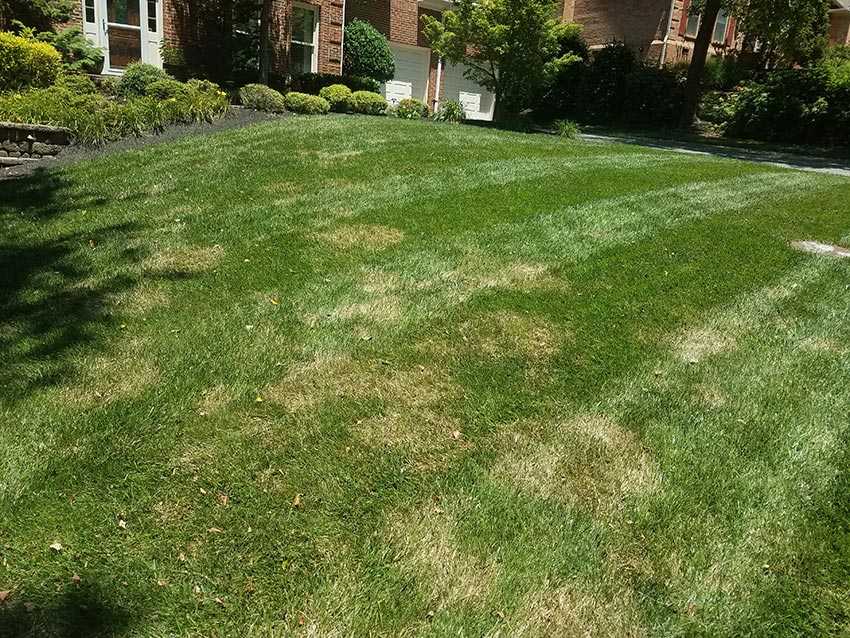
Brown patch is a common lawn disease caused by the fungus Rhizoctonia, which creates circular brown patches in grass, typically in warm, humid conditions. To tackle this issue, the first step is identifying the underlying cause, which often includes overwatering, poor drainage, or excessive nitrogen fertilization. Implementing proper lawn care practices—like adjusting your watering schedule, improving drainage, and using the right fertilizers—can help mitigate this problem. Regular mowing and aeration also play a crucial role in maintaining a healthy lawn. By taking these preventive measures and addressing any issues promptly, you can restore your lawn’s vibrant green color and keep brown patches at bay. Understanding and managing brown patch is essential for any homeowner looking to maintain a beautiful landscape.

“`html
Landscaping: What Is Brown Patch?
Brown patch is a common lawn disease that many homeowners face. It affects various types of grass and can be particularly troublesome in warm, humid environments. Understanding what brown patch is, its causes, and how to manage it effectively can help keep your lawn healthy and vibrant.
What Causes Brown Patch?
Brown patch is caused by a fungus known as Rhizoctonia solani. This fungus thrives in warm temperatures, typically between 70°F and 90°F. Here are some factors that contribute to the development of this disease:
- High humidity levels
- Overwatering or poor drainage
- Excessive nitrogen fertilizers
- Lawn thatch buildup
Understanding these causes can help homeowners take proactive steps to prevent brown patch in their lawns.
Signs and Symptoms of Brown Patch
Identifying brown patch early is crucial for effective management. Here are some common signs and symptoms to look out for:
- Irregular brown patches on the lawn
- Yellowing grass blades at the edges
- Thinning grass in affected areas
- Dark brown or black lesions on the blades
The symptoms can resemble drought stress but usually spread quickly if left untreated.
How to Prevent Brown Patch
Prevention is often more effective than treatment. Here are several strategies you can use to keep your lawn healthy:
1. Watering Practices
Proper watering is essential for lawn health. Here are some tips:
- Water early in the morning to reduce evaporation and allow grass to dry
- Avoid watering in the evening when humidity is high
- Use deep watering techniques rather than frequent shallow watering
2. Fertilization Techniques
Using the right fertilizers can make a big difference. Here are some recommendations:
- Use slow-release fertilizers to prevent excessive nitrogen
- Test your soil to determine the right nutrient balance
- Avoid over-fertilization during warm and humid months
3. Lawn Maintenance
Regular maintenance is vital for a healthy lawn. Here are some important tasks:
- Mow regularly at the appropriate height for your grass type
- Remove excess thatch by aerating the lawn
- Keep lawn equipment clean to prevent spreading diseases
Taking these steps can significantly reduce the risk of brown patch.
Treatment Options for Brown Patch
If you discover brown patch in your lawn, prompt treatment is important. Here are some effective options:
1. Fungicides
Fungicides can help control brown patch. Here are some tips on using them:
- Select a fungicide labeled specifically for brown patch
- Follow the manufacturer’s instructions carefully
- Apply during early stages of the disease for best results
2. Cultural Practices
In addition to fungicides, cultural practices can help manage brown patch:
- Improve air circulation by trimming nearby trees and shrubs
- Aerate the soil to enhance drainage
- Regularly rake up debris to minimize fungal spores
Combining these methods often yields the best results.
Understanding Lawn Types Affected by Brown Patch
Brown patch can affect various types of grass. It’s important to recognize which grass you have in your lawn to manage brown patch effectively. Here are some common grass types that are susceptible:
- Bermudagrass
- Tall fescue
- Zoysiagrass
- Perennial ryegrass
Understanding your lawn type helps tailor your management practices.
Impact of Weather on Brown Patch
Weather plays a significant role in the development of brown patch. Here’s how:
- Warm and humid weather favors fungal growth
- Heavy rainfall can contribute to overwatering issues
- Dry spells can stress the lawn, making it more vulnerable
Monitoring weather conditions can help you adjust your lawn care practices.
Long-term Management Strategies
Managing brown patch is an ongoing process. Here are some long-term strategies to consider:
1. Regular Lawn Checks
Regularly inspect your lawn for any signs of distress. Early detection is key.
2. Soil Testing
Conduct soil tests every few years to keep track of nutrient levels. Adjust fertilizers as needed.
3. Lawn Renovation
If brown patch becomes a recurring issue, consider renovating your lawn. Choosing more resistant grass types can be beneficial.
Staying proactive with these strategies can lead to a healthier lawn over time.
The Importance of Education in Lawn Care
Educating yourself about lawn care is essential for maintaining a beautiful landscape. Here are some resources that can help:
- Local extension services often provide free information
- Online forums and gardening blogs can offer valuable tips
- Books on lawn care can provide in-depth learning
Knowledge is power when it comes to effective lawn maintenance.
In conclusion, brown patch is a common but manageable lawn disease. By understanding its causes, symptoms, and management strategies, homeowners can maintain a healthy and lush lawn. Taking the right preventative measures and responding quickly to any signs of the disease can keep brown patch at bay, allowing your landscape to thrive.
“`
How To Fix Brown Patch & Large Patch In St Augustine, Zoysia and Tall Fescue with The Lawn Care Nut
Frequently Asked Questions
What causes brown patch in lawns?
Brown patch in lawns primarily results from a fungal disease known as Rhizoctonia solani. This fungus thrives in warm, humid conditions and can spread quickly, especially in areas with poor air circulation or overwatering. Factors like excessive nitrogen fertilization, improper mowing practices, and compacted soil also contribute to the development of brown patch.
How can I identify brown patch in my grass?
Look for irregular, brown circular patches in your lawn that can range from a few inches to several feet in diameter. The grass blades within these patches often appear wilted and may have a grayish or tan color. You’ll also notice a dark, greasy ring around the edges of these patches, indicating fungal activity.
What preventive measures can I take to avoid brown patch?
To prevent brown patch, maintain a healthy lawn by ensuring proper watering practices. Water deeply but infrequently to encourage root growth. Avoid excessive nitrogen fertilization, especially in late summer, and mow your lawn at the recommended height to promote air circulation. Aerating your lawn can also help reduce compaction and improve drainage.
Is brown patch treatable?
Yes, brown patch is treatable. Apply fungicides specifically labeled for brown patch to affected areas. However, timing is critical; treat early in the season when conditions favor the fungus. Additionally, improving cultural practices, such as adjusting watering schedules and mowing heights, can help manage and reduce the disease’s impact.
Can brown patch affect other plants besides grass?
While brown patch primarily affects turfgrass, the fungus that causes it can also target other plants, including certain ornamental grasses and flowers. It’s essential to monitor your garden for similar symptoms in non-grass plants and apply appropriate management strategies to protect them.
Final Thoughts
Brown patch is a common lawn disease caused by a fungus that thrives in warm, humid conditions. It appears as circular brown patches on grass, often with a darker edge.
Effective management of brown patch involves proper watering and fertilization practices. Maintaining good air circulation and mowing at the right height also help prevent its spread.
Understanding Landscaping What Is Brown Patch equips homeowners and landscapers with the knowledge to tackle this issue. Taking proactive steps can restore your lawn’s health and appearance.