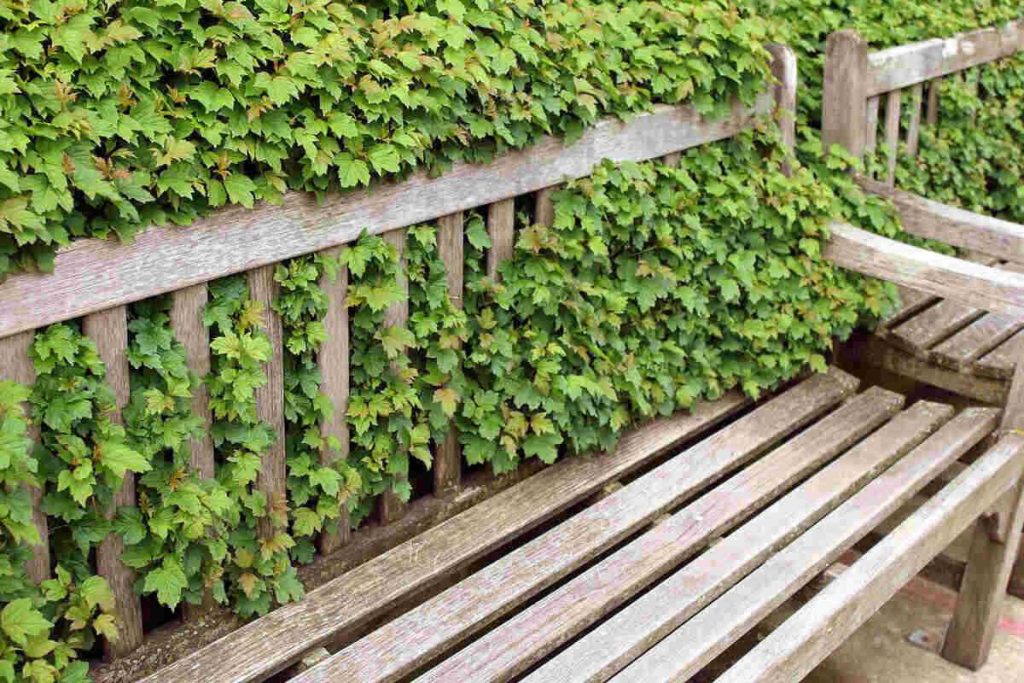
If your garden is starting to feel more jungle than oasis due to tall and overgrown bushes, don’t worry! Trimming them back can rejuvenate your landscape and bring back some order. Start by gathering the right tools: sturdy gloves, pruning shears, and a hedge trimmer are essential. Before you begin, assess the size and health of the bushes to determine how much to cut back. Aim to trim about one-third of the height, focusing on any dead or diseased branches. Remember to shape the bushes in a way that encourages natural growth, allowing them to flourish while maintaining a neat appearance. Let’s dive deeper into the steps you can take to transform your outdoor space!

Landscaping How To Trim Tall And Overgrown Bushes
Trimming tall and overgrown bushes is an essential part of landscaping that not only enhances the beauty of your garden but also promotes the health of the plants. It’s vital to understand the right techniques to ensure your bushes thrive. Here, we will discuss methods, tools, and tips for trimming tall and overgrown bushes effectively.
Understanding the Importance of Trimming
Trimming bushes serves multiple purposes. It **encourages healthy growth**, improves air circulation, and can prevent disease. Regular trimming also maintains the **shape and appearance** of your garden.
– **Encourages Blooms:** Many flowering bushes need trimming to promote new growth and blooms.
– **Healthier Plants:** Trimming removes dead or diseased branches, improving overall plant health.
When to Trim Your Bushes
Timing is crucial when it comes to trimming bushes. The best time typically depends on the type of bush you have.
– **Spring Bloomers:** Trim these bushes **after flowering**.
– **Summer Bloomers:** These should be pruned in early spring.
Recognizing the right time will enhance your bushes’ growth and flowering potential.
Tools You Will Need
Having the proper tools is essential for a successful trimming session. Here are some tools you might need:
- Hand Pruners
- Hedge Shears
- Loppers
- Chainsaw (for very large bushes)
- Safety Gear (gloves, goggles)
- Measuring Tape
Make sure your tools are sharp to ensure clean cuts. Dull tools can damage the plants.
Preparing for Trimming
Before starting, plan your trimming session. Inspect the bush for dead or damaged branches, and decide how much to cut back.
– **Safety First:** Wear gloves and goggles to protect yourself from dirt and debris.
– **Clear the Area:** Make sure your work area is free from obstacles and pets.
Preparation helps to improve efficiency and safety during the trimming process.
How to Trim Tall Bushes
Tall bushes require careful attention when trimming. Here’s a step-by-step guide to trimming them:
Step 1: Assess the Bush
Look at the overall shape and health of the bush. Identify which parts need trimming and which sections are healthy.
Step 2: Start from the Top
Begin trimming from the top of the bush. Use long-handled tools for higher branches. Aim for a rounded shape.
– Maintain a slight angle to allow water runoff.
– Keep the top level, avoiding uneven cuts.
Step 3: Move to the Sides
Once the top is trimmed, focus on the sides. Cut back any branches that are growing outwards.
– Trim a few inches at a time.
– Step back frequently to check for evenness.
Step 4: Clean Up
After trimming, gather all the cut branches and debris. Dispose of them properly to prevent disease spread.
– Compost healthy trimmings.
– Dispose of diseased or infested branches separately.
Trimming Overgrown Bushes
Overgrown bushes require more extensive trimming. Here’s how to tackle them:
Step 1: Assess the Overgrowth
Determine how much of the bush can be trimmed without harming its health.
– Look for a natural shape.
– Identify dead or unhealthy branches.
Step 2: Trim Back Excessively Long Branches
Make cuts on overgrown branches, focusing on shortening them.
– Cut just above a leaf or bud to promote new growth.
– Avoid cutting too dramatically to prevent shock.
Step 3: Thin Out the Bush
Remove some branches from the interior of the bush to allow light and air to reach the center.
– This promotes better growth and health.
– Aim for an open and airy structure.
Common Mistakes to Avoid
Understanding common mistakes can ensure better outcomes. Here are some pitfalls to avoid:
- Ignoring the Plant Type: Different plants have different needs.
- Over-Pruning: Removing too much can harm the bush.
- Using Dull Tools: Always use sharp tools for clean cuts.
- Neglecting Safety: Always wear safety gear.
Avoiding these mistakes will lead to healthier plants and a more attractive landscape.
Aftercare for Trimmed Bushes
Once you’ve finished trimming, provide care to ensure recovery.
– **Watering:** Ensure they receive adequate water.
– **Fertilizing:** Apply fertilizer to promote new growth.
– **Monitoring:** Keep an eye on the bush for any disease signs.
Regular care will promote healthy regrowth and flowering.
Frequently Asked Questions
Now, let’s address some common questions regarding trimming bushes.
How often should I trim my bushes?
Most bushes benefit from annual trimming. However, some may need more frequent care.
Can I trim bushes in the fall?
It’s best to avoid heavy trimming in the fall. This can lead to damaged buds during winter.
What if I’m not sure how to trim a specific bush?
Research your specific bush type for guidance, or consult a landscaping professional.
Trimming tall and overgrown bushes not only rejuvenates your landscape but keeps your plants healthy and attractive. By understanding the right techniques, using the appropriate tools, and performing adequate aftercare, you can ensure that your bushes not only survive but thrive. Happy gardening!
Trimming Big Bushes and Hedges Overgrown
Frequently Asked Questions
What tools are essential for trimming tall and overgrown bushes?
To effectively trim tall and overgrown bushes, you should have a few essential tools. Begin with hand pruners for smaller branches, loppers for thicker limbs, and a hedge trimmer for larger areas. A ladder may be necessary for accessing taller bushes, while safety goggles and gloves will protect you during the trimming process. For very large bushes, a chainsaw might be helpful, but ensure you know how to use it safely.
When is the best time to trim overgrown bushes?
The optimal time to trim overgrown bushes typically depends on the specific type of bush you have. Generally, late winter or early spring is best for most deciduous shrubs before new growth begins. For flowering varieties, it’s crucial to time your trimming after they bloom to avoid cutting off developing flowers. Always research the specific needs of your bushes for the best results.
How can I maintain the shape of my bushes after trimming?
To maintain the shape of your bushes after trimming, regularly check their growth every few weeks during the growing season. Trim back new growth and shape the bushes as needed, focusing on maintaining their natural form. Additionally, ensure you provide proper care through watering, fertilizing, and mulching, which will encourage healthy growth and minimize the need for heavy trimming in the future.
What signs indicate that a bush needs trimming?
Several signs indicate that a bush requires trimming. Look for overgrown branches that extend beyond the desired shape or size, dead or diseased branches, and a lack of new growth. If a bush starts to hinder walkways or block views, it’s also time for a trim. Keeping an eye on these indicators will help you maintain a tidy and healthy landscape.
Can I trim bushes myself, or should I hire a professional?
Whether to trim bushes yourself or hire a professional depends on your confidence and skill level. If you have experience with gardening and the right tools, you can handle smaller or moderately overgrown bushes. However, for very large or complex shapes, or if you feel uncertain, hiring a professional can ensure the job gets done safely and effectively. Consider your availability and the size of the task when making this decision.
Final Thoughts
Trimming tall and overgrown bushes is essential for maintaining a tidy landscape and promoting healthy growth. By following the right techniques, you can effectively manage these plants and enhance your outdoor space’s appearance.
Regular maintenance keeps your bushes looking their best and prevents them from becoming too unruly. Remember this guide on ‘Landscaping How To Trim Tall And Overgrown Bushes’ to ensure your gardening efforts yield beautiful results.