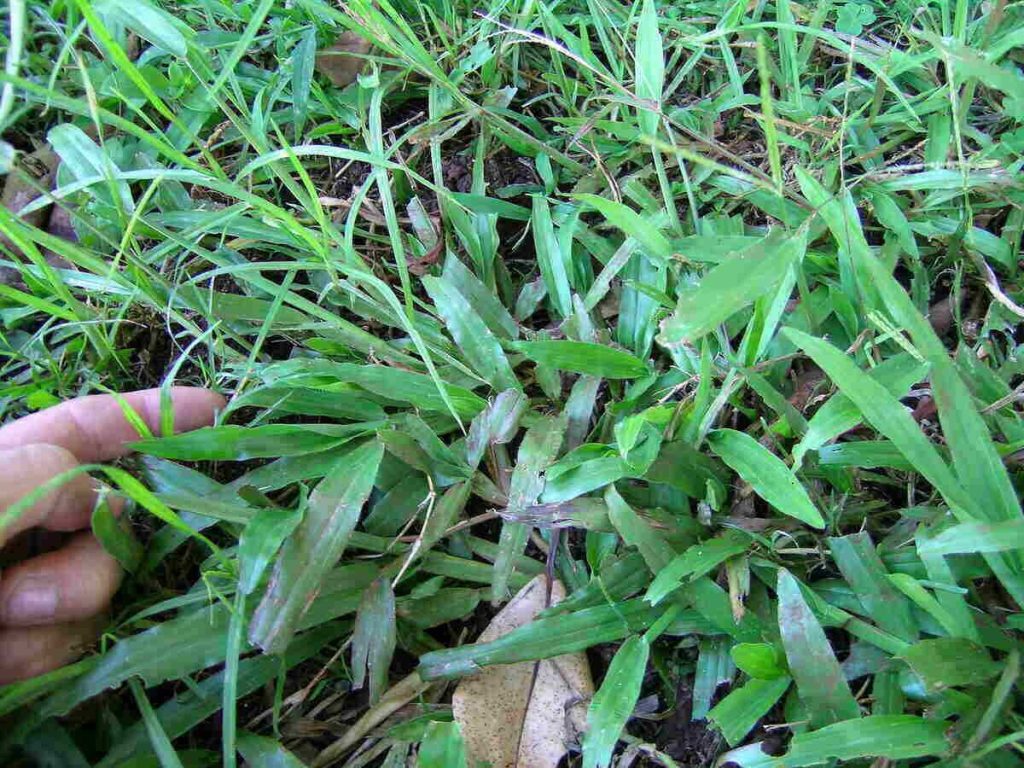
If you’re struggling with carpetgrass invading your lawn or garden, don’t worry! Controlling this fast-spreading weed is entirely possible with the right approach. Start by understanding that carpetgrass thrives in warm, moist conditions, so managing watering and mowing practices is key. Regular mowing at the right height can help to weaken the grass and prevent it from seeding. Additionally, applying a pre-emergent herbicide in early spring can prevent new growth. For more stubborn patches, consider using a selective post-emergent herbicide that targets carpetgrass without harming your desirable plants. With a bit of effort and careful planning, you can reclaim your landscape from this persistent invader and enjoy a lush, vibrant yard again.

Landscaping How To Control Carpetgrass
Carpetgrass (Axonopus affinis) is a low-growing turf that is often seen in warm, tropical areas. While many people appreciate its soft green appearance, it can quickly turn into a troublesome weed if not managed properly. In this article, we will explore effective ways to control carpetgrass, ensuring your lawn or garden remains healthy and attractive.
Understanding Carpetgrass
Before diving into control methods, it’s essential to understand what carpetgrass is. This type of grass grows densely and can spread rapidly, making it a popular choice for some landscapes. However, its invasive nature means it can crowd out more desirable plants and grasses.
Characteristics of carpetgrass include:
- Soft texture underfoot
- Bright green color
- Growth patterns that can choke out other plants
Carpetgrass thrives in lower light conditions and can tolerate a variety of soil types. This adaptability, while beneficial in some settings, contributes to its reputation as a invasive plant in others.
Identifying Carpetgrass Invasion
To effectively control carpetgrass, you must first identify its presence in your landscape. Here are some common signs:
- Thick mats of grass growth
- Reduced growth of desired plants
- Yellowing or weak appearance of surrounding grasses
Spotting these signs early can help you take action before the carpetgrass takes over.
The Importance of Cultivation Practices
Proper cultivation practices are vital in preventing carpetgrass from establishing itself in your garden. Below are some key strategies:
- Regular mowing to keep grass at a healthy height
- Watering deeply but infrequently to encourage strong root systems
- Aerating the soil to promote healthy grass growth
These methods support the growth of desired grass types, making it harder for carpetgrass to compete.
Mechanical Control Methods
If you find that carpetgrass is already established in your landscape, you may need to consider mechanical control methods. Here are some effective techniques:
- Hand-pulling small patches
- Using a hoe or shovel to remove larger areas
- Regular mowing to prevent seed production
These methods can help eliminate the current carpetgrass population and prevent future growth.
Timing for Effective Control
Timing is everything when managing carpetgrass. Here are some ideal times for control efforts:
- Early spring before it begins to grow
- Late fall after the first frost
Acting during these periods can boost your chances of success.
Chemical Control Options
While mechanical methods are effective, sometimes chemical solutions are necessary. Herbicides can manage carpetgrass efficiently. Here are some things to keep in mind:
- Choose selective herbicides that target carpetgrass without harming desired plants
- Follow application instructions carefully for safety and effectiveness
- Consider the timing of chemical application, preferably when carpetgrass is actively growing
Always check local regulations regarding herbicide use and application.
Integrated Pest Management (IPM)
An Integrated Pest Management approach considers all control methods for carpetgrass. This holistic strategy includes:
- Understanding the life cycle of carpetgrass
- Combining mechanical, chemical, and cultural practices
- Monitoring the area regularly for re-emergence
By using IPM, you can create a sustainable plan for managing carpetgrass.
Competitive Planting Strategies
One of the best ways to control carpetgrass is by planting competitive grasses. Here are some tips:
- Select grasses that grow taller and denser than carpetgrass
- Ensure proper soil preparation before planting
- Water and fertilize the new grass to encourage quick growth
By establishing a strong lawn with competitive grasses, you can crowd out carpetgrass and prevent it from thriving.
Creating a Dense Lawn
A thick, healthy lawn acts as a barrier against carpetgrass. Here is how to achieve this:
- Aim for a grass height of at least three inches
- Use a high-quality fertilizer to promote growth
- Implement a regular watering schedule tailored to your specific grass type
Dense grass creates unfavorable conditions for carpetgrass to grow.
Regular Lawn Maintenance
Ongoing maintenance is key to controlling carpetgrass. Here are some essential practices:
- Regular mowing to keep grass at an ideal height
- Weeding to remove any young carpetgrass plants
- Seasonal fertilization to ensure nutrient-rich soil
Consistent care helps your desired plants thrive while limiting carpetgrass growth.
Using Mulch and Ground Covers
Another excellent way to manage carpetgrass is by using mulch and ground covers. Here’s why they are effective:
- Mulch suppresses weed growth by blocking sunlight
- Ground covers can outcompete carpetgrass for resources
Apply a layer of mulch or plant ground cover to create barriers against carpetgrass.
Monitoring and Adjustment
Ongoing monitoring is crucial after implementing your control strategies. Here’s what to do:
- Regularly inspect your lawn for carpetgrass re-emergence
- Adjust your mowing and watering practices as needed
- Document your progress to identify what works best in your landscape
Being proactive allows you to make timely adjustments and stay ahead of any invasions.
Seeking Professional Help
If carpetgrass continues to be a challenge, consider seeking professional help. Landscape professionals can assist you with:
- Identifying the best control methods for your specific situation
- Applying herbicides safely and effectively
- Creating a tailored lawn care plan for long-term management
Professional assistance can save time and improve overall results.
In summary, controlling carpetgrass in your landscape requires a mix of understanding, effective management practices, and ongoing maintenance. Implementing these strategies will ensure your garden remains healthy and vibrant, free from the challenges posed by invasive carpetgrass.
Weed Killer for Carpetgrass – Kill Carpet Grass Without Killing the Lawn
Frequently Asked Questions
“`html
What are the best mowing practices to manage carpetgrass?
Keeping carpetgrass under control involves regular mowing. Set your mower to a height of about 2.5 to 3 inches. Mowing at this height encourages a denser turf, which can outcompete carpetgrass. Make sure to mow frequently, especially during the growing season, to prevent carpetgrass from flowering and seeding.
How does proper watering affect carpetgrass growth?
Proper watering helps maintain a healthy lawn, which can suppress carpetgrass. Water your lawn deeply but infrequently, allowing the soil to dry out between sessions. This encourages grass roots to grow deeper and stronger, making it harder for carpetgrass to thrive. Avoid overwatering, as it promotes carpetgrass growth.
Can fertilization impact carpetgrass control?
Yes, effective fertilization plays a key role in managing carpetgrass. Use a balanced fertilizer to promote the growth of desirable grasses. Focus on applying fertilizer during the peak growing season for your lawn. A healthy lawn outcompetes carpetgrass for nutrients and sunlight, reducing its spread.
What role do herbicides play in controlling carpetgrass?
Herbicides can effectively control carpetgrass if used correctly. Select a pre-emergent herbicide to prevent carpetgrass seeds from germinating. For existing carpetgrass, consider a selective post-emergent herbicide that targets it without harming your desirable grass. Always follow application instructions and timing for the best results.
How can I effectively remove carpetgrass from flower beds?
To remove carpetgrass from flower beds, start by manually pulling it out, ensuring you remove the roots to prevent regrowth. For larger infestations, consider using mulch to smother the carpetgrass. Applying a landscape fabric under mulch can also help block sunlight and deter further growth.
“`
Final Thoughts
Controlling carpetgrass requires consistent efforts and the right techniques. Regular mowing keeps the grass at a manageable height, preventing it from spreading aggressively. Additionally, applying a selective herbicide can effectively target carpetgrass without harming desirable plants.
Maintaining healthy soil through proper aeration and fertilization promotes the growth of preferred grass species. By ensuring proper watering practices, you can minimize carpetgrass dominance in your lawn. For successful landscaping, understanding how to control carpetgrass is essential.