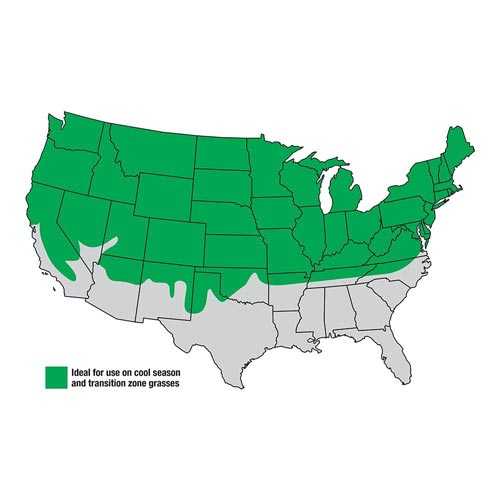
Kentucky bluegrass thrives best in temperate regions with cool, moist climates. It’s a popular choice for lawns across North America, especially in areas with well-drained soil and moderate rainfall. This grass is known for its lush, dense appearance and ability to recover quickly from wear, making it ideal for sports fields and home lawns alike. If you’re wondering where Kentucky bluegrass grows, the answer is primarily in the United States, in states like Kentucky, Colorado, and parts of Nebraska, where the climate suits its needs. It prefers areas with temperatures ranging from 60°F to 75°F and partial sunlight. Whether you’re planning to plant a new lawn or maintain an existing one, understanding its preferred environment will help you cultivate a healthy, beautiful turf.

Kentucky Bluegrass Where Does It Grow
Introduction to Kentucky Bluegrass and Its Growing Regions
Kentucky bluegrass is a popular cool-season grass known for its lush green color and soft texture. It is widely used on lawns, sports fields, and golf courses because of its beautiful appearance and durability. This grass thrives best in areas with moderate temperatures and adequate rainfall, making it a favorite choice for many regions.
Understanding where Kentucky bluegrass grows naturally helps homeowners and landscapers choose the right grass for their environment. Its adaptability can vary depending on climate, soil type, and other growing conditions. Let’s explore the main regions where this grass thrives and what makes those areas ideal.
Geographical Range of Kentucky Bluegrass
Kentucky bluegrass is primarily found in North America. Its natural habitat spans from the northeastern United States across the Midwest and into parts of the Pacific Northwest. It is also cultivated in other regions with suitable climates.
In the United States, Kentucky bluegrass is most common in states like Kentucky, Ohio, Indiana, Illinois, and Missouri. It also grows well in Colorado, Utah, and parts of California. Its widespread presence is due to its ability to adapt to various environmental conditions.
Climate Conditions Favoring Kentucky Bluegrass Growth
This grass prefers a temperate climate with cool, moist conditions during its active growing season. It thrives in regions where daytime temperatures stay between 60 and 75 degrees Fahrenheit (15 to 24 degrees Celsius).
Kentucky bluegrass benefits from cool winters and moderate rainfall, which prevent it from drying out or becoming dormant. It can tolerate light frost but struggles in areas with extreme heat or drought conditions.
Ideal Temperature Range
- Growing season: 60-75°F (15-24°C)
- Dormant period: below 50°F (10°C)
Rainfall Needs
Kentucky bluegrass requires about 30 to 50 inches of rainfall annually. Consistent moisture helps maintain its lush appearance. It does not perform well in regions with prolonged droughts unless watered regularly.
Soil Types Suitable for Kentucky Bluegrass
Soil quality significantly impacts the growth of Kentucky bluegrass. It prefers well-drained, fertile soils rich in organic matter. The ideal soil pH ranges from 6.0 to 7.0, which is slightly acidic to neutral.
This grass adapts to various soil textures but performs best in loamy soils that retain moisture yet drain excess water efficiently. Heavy clay soils may need amendments to improve drainage, while sandy soils might require additional nutrients.
Recommendations for Soil Preparation
- Test soil pH and nutrient levels before planting.
- Add organic compost or peat moss to increase fertility.
- Ensure proper drainage to prevent waterlogging.
- Aerate compacted soils to enhance root growth.
Elevation and Topography Considerations
Kentucky bluegrass grows well at elevations up to 8,000 feet (2,438 meters). It adapts to various topographies, including flat plains, rolling hills, and gentle slopes.
In mountainous areas, good drainage is crucial to prevent water from pooling around the roots. On flatter land, regular irrigation supports healthy growth, especially in areas with less natural rainfall.
Regions Where Kentucky Bluegrass Grows Naturally
In its native environment, Kentucky bluegrass is commonly found in:
- Eastern United States, especially in Kentucky, Ohio, and Pennsylvania
- Midwestern states such as Illinois, Indiana, and Michigan
- Parts of the Pacific Northwest, including Washington and Oregon
These regions offer the cool, moist climate and fertile soils ideal for its growth. It also naturally occurs in meadows, along riverbanks, and in open woods, where it contributes to the local plant diversity.
Indoor Cultivation and Lawn Establishment
Although Kentucky bluegrass is not naturally found growing in indoor environments, it is widely cultivated for lawns. It is often seeded in the fall or early spring when weather conditions are favorable.
Proper lawn establishment involves selecting the right seed mix, preparing the soil thoroughly, and providing consistent watering. With proper care, Kentucky bluegrass lawns can flourish in regions matching its preferred climate.
Popular Cultivars for Different Regions
Some cultivars perform better in specific conditions. For cooler northern areas, shade-tolerant varieties are recommended, while drought-resistant types suit drier regions. Consult local gardening experts to choose the best cultivar for your location.
Lawn and Garden Uses of Kentucky Bluegrass
Because of its attractive appearance and wear tolerance, Kentucky bluegrass is a top choice for:
- Residential lawns
- Sports fields and golf courses
- Park areas and recreational spaces
It provides a dense, carpet-like surface that can handle foot traffic and maintain its lush color through multiple seasons.
Summary of Growing Regions and Requirements
| Region | Climate | Soil Type | Elevation |
|---|---|---|---|
| Eastern US | Cool, moist | Loamy, fertile | Low to mid-elevation |
| Midwest | Temperate, seasonal rainfall | Loamy, fertile | Low to moderate elevation |
| Pacific Northwest | Cool, wet | Well-drained, rich soil | Low to high elevation |
| Mountainous regions | Variable, cooler temperatures | Well-drained, rocky or loamy | Up to 8,000 feet |
Understanding these geographic and environmental factors helps determine if Kentucky bluegrass is a suitable turf option for a particular location.
Related Topics for Further Exploration
- Best Kentucky bluegrass cultivars for different climates
- Soil testing and amendments for optimal growth
- Watering and fertilizing tips for Kentucky bluegrass
- Environmental challenges affecting Kentucky bluegrass health
- Comparison of Kentucky bluegrass with other cool-season grasses
By knowing where Kentucky bluegrass grows best, you can ensure its successful establishment and maintenance. Its adaptability to a range of regions, combined with proper soil and climate conditions, makes it a versatile choice for many lawn and landscape needs.
Kentucky Bluegrass Pros and Cons
Frequently Asked Questions
What climates are suitable for Kentucky bluegrass growth?
Kentucky bluegrass thrives best in regions with cool to temperate climates. It prefers areas with moderate temperatures, typically between 60°F and 75°F during the growing season. The grass can tolerate cold winters and some drought conditions, but it generally performs well in areas where summers are not excessively hot.
In which soil types does Kentucky bluegrass grow best?
Kentucky bluegrass prefers well-drained, fertile soils with a pH level between 6.0 and 7.0. It grows effectively in loamy soils that retain moisture but do not become waterlogged. Proper soil preparation, including aeration and adding organic matter, helps establish a healthy turf.
What regions or geographic areas are ideal for planting Kentucky bluegrass?
This grass variety is commonly found in the northern and central parts of the United States, particularly in zones 3 to 7. It flourishes in states like Kentucky, Colorado, and parts of the Midwest. It adapts well to areas with consistent rainfall and cooler temperatures during the growing season.
Does Kentucky bluegrass grow well in shaded areas?
Kentucky bluegrass can tolerate some shade, but it prefers full sun for dense, lush growth. When planted in shaded locations, it may become thinner and less vigorous. Providing at least four to six hours of direct sunlight daily helps maintain a healthy stand of Kentucky bluegrass.
Can Kentucky bluegrass adapt to urban environments?
Yes, Kentucky bluegrass adapts well to urban lawns and parks, provided it receives proper care. It can withstand foot traffic and adapts to the variations in soil and shade common in city landscapes. Regular watering, fertilization, and aeration support its growth in these environments.
Final Thoughts
Kentucky bluegrass thrives in well-drained, fertile soils with moderate humidity. It prefers regions with cold winters and warm summers to establish deep roots. This grass is common in temperate climates across North America.
Kentucky bluegrass where does it grow naturally? It mainly grows in the eastern and central United States, especially in the Midwest and Great Lakes areas. The grass adapts well to lawns, parks, and sports fields, making it a popular choice.
In conclusion, Kentucky bluegrass where does it grow? It is typically found in cooler climates with rich soil. Its adaptability and vibrant appearance make it a favorite for lawns across North America.