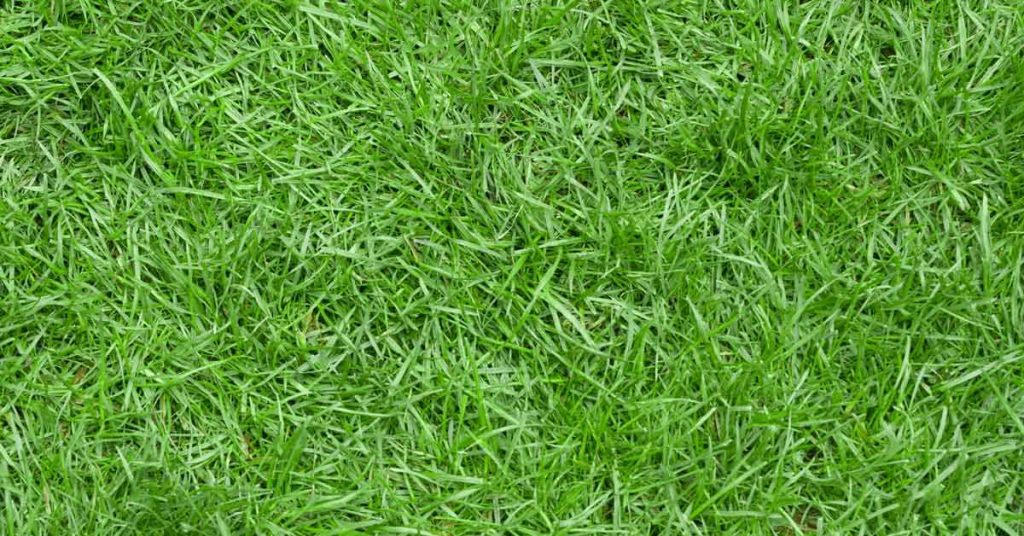
For new homeowners considering Zoysia grass, the good news is that it’s relatively easy to maintain once established. While it may require some initial effort to get it growing, Zoysia is a resilient grass that thrives in various conditions. Its slow growth in the cooler months means less frequent mowing, and its heat tolerance makes it a great choice for warm climates. The key to successful maintenance lies in proper watering, fertilization, and occasional pest control. Overall, if you’re willing to invest a bit of time upfront, Zoysia grass can be a low-maintenance, attractive lawn option that will serve your outdoor space well. Let’s dive deeper into what makes Zoysia a popular choice for homeowners!

Is Zoysia Grass Hard to Maintain for New Homeowners?
Many new homeowners often wonder about the best type of grass for their lawns. One popular choice is Zoysia grass. This warm-season grass is known for its plush, dense appearance and resilience. However, the question remains, **is Zoysia grass hard to maintain for new homeowners**? The answer depends on several factors, including climate, soil type, and care routine.
Understanding Zoysia Grass
Zoysia grass is a durable grass type that thrives in warm climates. It is native to Asia and has become a favorite in many parts of the United States. Knowing the characteristics of Zoysia grass can help homeowners gauge how well it might fit their lawn maintenance schedule.
- **Growth Patterns:** Zoysia grows slowly in the spring but fills in quickly during warm summer months.
- **Color:** This grass type boasts a rich green color, providing aesthetic appeal.
- **Durability:** Zoysia is weather-resistant and can withstand drought conditions.
Understanding these qualities helps in determining if Zoysia is suitable for your lawn.
Climate Considerations
Before planting Zoysia, it’s essential to consider the climate in your area. Zoysia grass thrives in warmer regions.
- **Ideal Zones:** It typically grows best in USDA hardiness zones 6 to 9.
- **Cold Tolerance:** Zoysia can survive cold temperatures but may go dormant in the winter.
- **Heat Resistance:** It stands up well against heat and requires less water compared to cool-season grasses.
For new homeowners in cooler climates, maintaining Zoysia might present additional challenges.
Soil Requirements
To grow healthy Zoysia grass, soil quality is crucial. Zoysia prefers well-draining soil with a pH level between 6.0 and 7.0.
- **Testing Soil:** It’s wise to test your soil before planting to ensure it meets these criteria.
- **Amending Soil:** If your soil is too acidic, you might need to add lime. If it’s too alkaline, sulfur can help.
- **Nutrient Needs:** Well-fertilized soil contributes to a lush, green lawn.
New homeowners should invest time in preparing their soil for the best results.
Seeding vs. Sod
When establishing Zoysia grass, homeowners have the option to either seed or lay sod. Each method has its advantages.
Seeding Zoysia Grass
Seeding is a cost-effective method for growing Zoysia.
- **Time-Consuming:** It takes longer for seeds to germinate and fill in the lawn.
- **Best Time:** Spring is the ideal time for seeding.
- **Watering Needs:** Keep the soil consistently moist until the grass is established.
Laying Zoysia Sod
Laying sod provides immediate coverage and quicker results.
- **Instant Lawn:** Homeowners enjoy a green lawn immediately after installation.
- **Higher Cost:** However, sod is more expensive than seeding.
- **Establishment Time:** It requires less time to establish.
Choosing between seeding and sod can significantly affect maintenance.
Watering Practices
Proper watering is crucial for the health of Zoysia grass.
- **Initial Watering:** Newly planted Zoysia needs consistent moisture until established.
- **Established Grass:** Once established, Zoysia is drought-resistant and only requires watering during extended dry spells.
- **Watering Schedule:** Water deeply but infrequently to encourage deep root growth.
New homeowners should avoid overwatering, which can lead to fungal diseases.
Mowing Techniques
Mowing is another important aspect of Zoysia grass maintenance.
- **Height Settings:** Keep Zoysia grass at a height of 1 to 2 inches for optimal health.
- **Regular Mowing:** Regular mowing during the growing season encourages denser growth.
- **Mowing Frequency:** A frequency of once a week is generally effective.
Learning proper mowing techniques can make it easier to maintain a beautiful lawn.
Fertilization Guidelines
Fertilizing Zoysia grass is essential for promoting healthy growth.
- **Type of Fertilizer:** Use a slow-release fertilizer with a balanced nutrient ratio.
- **Application Schedule:** Fertilize in late spring and early summer to boost growth.
- **Avoid Over-Fertilization:** Too much fertilizer can lead to excessive growth and lawn issues.
New homeowners may want to consult with a local extension office for specific fertilization advice.
Pest and Weed Control
Zoysia grass is relatively pest-resistant, but it can still face challenges from insects and weeds.
- **Common Pests:** Grubs and chinch bugs are the most common pests affecting Zoysia.
- **Weed Management:** Zoysia can be outcompeted by invasive weeds, making regular maintenance necessary.
- **Preventive Measures:** Regular mowing and healthy soil can naturally suppress many weeds.
Being proactive about pest and weed control helps keep Zoysia healthy.
Seasonal Maintenance Tasks
Maintaining Zoysia grass requires a seasonal approach.
- **Spring Tasks:** Overseed bare spots and apply fertilizer as new growth begins.
- **Summer Tasks:** Regularly mow and water as needed to keep the lawn vibrant.
- **Fall Tasks:** Aerate and dethatch the lawn to prepare for winter dormancy.
- **Winter Tasks:** Limit foot traffic on dormant grass to avoid damage.
Understanding seasonal tasks helps simplify maintenance for new homeowners.
In summary, Zoysia grass can be a great choice for new homeowners, but it does require some effort and care to maintain. With the right preparation and seasonal maintenance routines, you can enjoy a beautiful lawn year-round. Keep in mind the climate, soil, watering, mowing, fertilization, pest control, and seasonal tasks to ensure your Zoysia grass thrives. Embracing these practices will help you achieve a lush, green lawn without unnecessary hassle.
How to Care for Zoysia Grass | DoMyOwn.com
Frequently Asked Questions
“`html
What are the watering requirements for Zoysia grass?
Zoysia grass requires moderate watering. During the establishment phase, it needs consistent moisture. Once established, it tolerates drought well, but regular watering helps maintain its lush appearance. Aim for about one inch of water per week, adjusting for rainfall.
How does Zoysia grass fare in different soil types?
Zoysia grass adapts well to a variety of soil types, including sandy, loamy, and clay soils. However, it thrives best in well-drained soils enriched with organic matter. Conducting a soil test helps homeowners understand the necessary amendments to promote optimal growth.
What is the best time to fertilize Zoysia grass?
The ideal time to fertilize Zoysia grass is in late spring, when the grass begins to actively grow. A slow-release fertilizer rich in nitrogen supports healthy growth. Additional applications can occur in mid-summer, but avoid fertilizing in the fall as the grass prepares for dormancy.
How often should I mow Zoysia grass?
Homeowners should mow Zoysia grass regularly during the growing season, typically every 1 to 2 weeks. Maintaining a mowing height of about 1 to 2 inches promotes a healthy lawn while allowing good air circulation and sunlight penetration.
Does Zoysia grass require aeration?
Aeration can benefit Zoysia grass, especially in compacted soils. Aerating the lawn once a year helps improve root growth and enhances water and nutrient absorption. Spring or early fall serves as the best time for aeration to minimize stress on the grass.
“`
Final Thoughts
Maintaining Zoysia grass can be manageable for new homeowners with the right knowledge and care. This grass type thrives in warm climates and requires moderate watering and mowing. Although it may take time to establish, once it does, Zoysia grass shows resilience.
Is Zoysia grass hard to maintain for new homeowners? While challenges exist, such as slow growth during cooler months, its drought tolerance and durability make it a preferred choice for many. With proper attention, Zoysia grass can create a lush and inviting lawn.