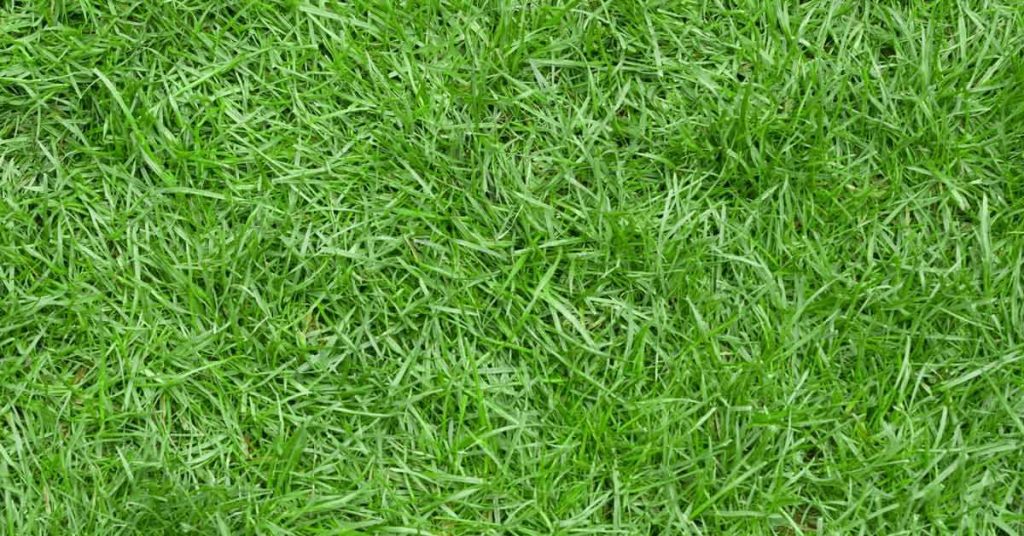
Yes, zoysia grass is an excellent choice for many lawns due to its durability and lush appearance. It offers a beautiful, dense turf that can withstand various weather conditions and heavy foot traffic. Whether you want a low-maintenance lawn or a resilient ground cover, zoysia grass can be a fantastic option.
In short, zoysia grass is a highly desirable lawn grass because of its adaptability, drought tolerance, and aesthetic appeal. It requires less mowing and watering compared to other grass types, making it ideal for busy homeowners. Overall, if you’re looking for a hardy, beautiful grass for your yard, zoysia is definitely worth considering.
If you’re wondering whether zoysia grass is a good fit for your lawn, the answer is a resounding yes. It’s known for its resilience, heat tolerance, and ability to stay green with minimal care, making it perfect for many climates. Plus, its dense growth helps choke out weeds, reducing maintenance in the long run. Growing zoysia can transform your outdoor space into a lush, inviting retreat while saving you time and effort on lawn care.

Is Zoysia Grass Good? An In-Depth Look at Its Benefits and Drawbacks
Introduction to Zoysia Grass
Zoysia grass is a popular turfgrass choice for many homeowners and landscapers. It is known for its lush appearance and dense growth. Many ask if zoysia grass is good, and the answer depends on several factors.
What Makes Zoysia Grass a Popular Choice?
Zoysia grass stands out because it creates a thick, green carpet that looks beautiful year-round. It is a slow-growing grass that forms a tight mat, reducing weed growth. Its natural ability to tolerate various weather conditions adds to its appeal.
Climate Compatibility of Zoysia Grass
Zoysia grass thrives in warm climates like the southern United States, parts of Asia, and Australia. It can withstand hot summers but may struggle in colder regions. In areas with mild winters, it stays green and healthy most of the year.
Temperature Tolerance
This grass prefers temperatures between 75°F and 90°F during summer. It can survive brief cold spells but tends to go dormant when temperatures dip below 50°F. Choosing the right zoysia variety based on your climate ensures better growth and health.
Sunlight Requirements
Zoysia needs plenty of direct sunlight to grow thick and strong. Ideally, it should receive at least 6 hours of sun daily. However, some types tolerate partial shade, making them suitable for yards with shaded areas.
Advantages of Zoysia Grass
Many consider zoysia grass an excellent choice for lawns because of its numerous benefits.
Low Water Needs
Once established, zoysia requires less watering than other grasses. Its deep roots help it access moisture efficiently, saving you time and money on watering.
High Tolerance to Foot Traffic
Zoysia grass can handle regular foot traffic without becoming damaged. This makes it ideal for lawns used for outdoor activities and family gatherings.
Reduced Maintenance
Its slow growth rate means less frequent mowing. Also, its dense cover suppresses weeds naturally, reducing the need for herbicides.
Heat and Drought Resistance
Zoysia can tolerate dry and hot conditions well. It adapts to droughts better than some other grasses, especially if well-maintained.
Disease and Pest Resistance
This turfgrass is naturally resistant to many common pests and diseases, lowering the chances of needing chemical treatments.
Drawbacks of Zoysia Grass
While zoysia has many advantages, it also has some disadvantages to consider.
Slow Establishment
Zoysia can take longer to spread and fully establish compared to other grasses like Bermuda or Kentucky Bluegrass. Patience is needed during the initial growth phase.
Cost of Installation
Initial costs for zoysia sod or plugs are higher than for some other grass types. The investment pays off over time, thanks to its durability and low maintenance.
Cold Sensitivity
In regions with harsh winters, zoysia may go dormant or die back, leading to brown patches. It often requires overseeding or repairs in colder areas.
Growing Challenges
Zoysia prefers well-drained soil and can struggle in overly wet or clay soils. Proper soil preparation enhances its growth prospects.
Types of Zoysia Grass
Understanding the different varieties helps you choose the best zoysia grass for your yard.
Meyer Zoysia
Popular in the southern US, Meyer zoysia offers good cold tolerance and shade resistance. It is drought-tolerant and has a fine texture.
EMPIRE Zoysia
Known for its dark green color, empire zoysia is dense and slow-growing. It is a good option for lawns requiring low mowing frequency.
Zenith Zoysia
This type has a medium leaf texture and adapts well to various soil types. It is resistant to cold and drought.
El Toro Zoysia
El Toro is a fast-establishing variety with high tolerance to heat and drought. It creates a dense turf quickly.
Maintenance Tips for Zoysia Grass
To keep zoysia grass healthy, follow regular maintenance practices.
Mowing Schedule
Mow at a height of 1 to 2 inches. Avoid cutting more than one-third of the grass height at once to prevent stress.
Watering Tips
Water deeply about once a week, especially during hot or dry periods. Reduce watering in cooler months to prevent overwatering.
Fertilization
Apply a balanced fertilizer in spring and summer. Use slow-release fertilizers to promote steady growth.
Aeration
Aerate annually to reduce soil compaction and improve air, water, and nutrient penetration.
Weed and Pest Control
Despite its natural weed resistance, monitor for invasive weeds. Use appropriate pest control methods if pests appear.
Common Uses of Zoysia Grass
Zoysia grass is ideal for various landscaping applications.
Residential Lawns
It creates a lush, inviting yard that withstands family activities and pet play.
Golf Courses
Many golf courses select zoysia for fairways and tee boxes because of its durability and smooth surface.
Commercial Properties
The low-maintenance nature makes it suitable for parks, business lawns, and other commercial spaces.
Erosion Control
Its dense root system helps prevent soil erosion on slopes and bank areas.
Final Thoughts: Is Zoysia Grass Good?
Zoysia grass offers many benefits that make it a strong contender for lawns in suitable climates. Its drought tolerance, low maintenance, and high resilience appeal to many homeowners. However, it is essential to consider your local weather, soil, and yard use to determine if zoysia is the right choice for you. When properly installed and maintained, zoysia can provide a beautiful, durable, and eco-friendly lawn for years.
What Type of Zoysia Grass Is Best
Frequently Asked Questions
What are the benefits of choosing Zoysia grass for my lawn?
Zoysia grass offers several advantages, including its ability to thrive in various soil types and climates. It requires less water and fertilizer compared to other grasses, which helps save resources and maintenance costs. Its dense growth habit creates a lush, green surface that naturally resists weeds and pests, resulting in a healthier and more attractive lawn.
How does Zoysia grass perform in shady areas?
Zoysia grass tolerates partial shade better than many warm-season grasses. While it still needs some sunlight to stay healthy, it can grow satisfactorily under trees or structures that limit light. Keep in mind that its growth may slow down in heavily shaded spots, and occasional overseeding or other turf management practices can help maintain its density and appearance.
Is Zoysia grass suitable for high-traffic zones?
Yes, Zoysia grass stands up well to foot traffic due to its dense and resilient growth pattern. It recovers quickly from wear and tear, making it an excellent choice for lawns that see frequent activity, such as play areas, sports fields, or outdoor entertaining spaces. Regular mowing and proper watering enhance its ability to withstand heavy use.
What are the maintenance requirements for Zoysia grass?
Zoysia grass needs regular mowing to keep it at an optimal height, usually around 1 to 2 inches. It benefits from quarterly fertilization and infrequent watering once established, thanks to its drought tolerance. Aeration and dethatching can also help maintain its health, especially in areas prone to soil compaction or thatch buildup. Overall, it tends to require less upkeep compared to other warm-season grasses.
Can Zoysia grass adapt to different soil conditions?
Yes, Zoysia grass adapts well to a variety of soil types, including sandy, clay, and loamy soils. It prefers well-drained soil but can tolerate some degree of soil variability. Proper soil preparation, such as amending poor soils and ensuring adequate drainage, promotes healthy growth and a lush lawn.
Final Thoughts
Zoysia grass offers excellent drought tolerance and a dense, lush appearance, making it popular for many lawns. Its low maintenance needs and ability to withstand foot traffic appeal to homeowners seeking a durable turf.
However, it grows slowly and can be challenging to establish initially. It also prefers warm climates and may turn brown in colder weather.
In conclusion, is zoysia grass good? Yes, it provides a beautiful, resilient lawn if the climate and maintenance requirements align with your needs.