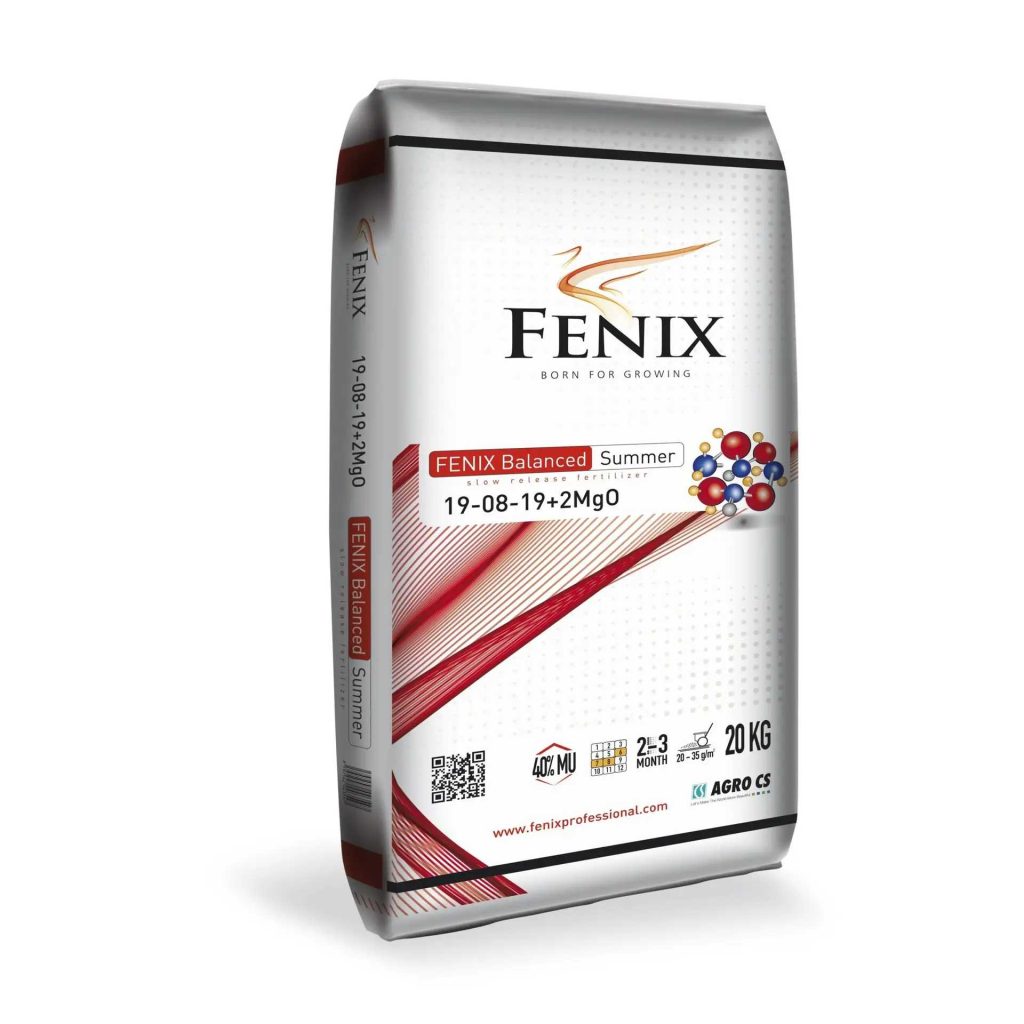
Yes, slow-release fertilizers are generally better for summer because they provide a steady supply of nutrients over time, reducing the risk of overfeeding and nutrient runoff during hot, dry conditions. This helps plants stay healthy and promotes sustained growth without the risk of burning roots or wasting fertilizer.
Slow-release fertilizers are often the best choice for summer gardening because they release nutrients gradually, matching plants’ needs and minimizing waste. During the hot months, rapid nutrient release can cause damage or leaching, making slow-release options more efficient and environmentally friendly. By choosing these fertilizers, gardeners can ensure plants get consistent nourishment, stay resilient under heat stress, and require less frequent feeding. Overall, slow-release fertilizers support healthier, more sustainable summer gardening.

Is Slow Release Fertilizer Better for Summer?
Understanding Slow Release Fertilizer
Slow release fertilizer is designed to deliver nutrients gradually over time. Unlike quick-acting fertilizers, it provides a steady flow of essential nutrients to plants. This makes it especially useful during the hot summer months when plants need consistent feeding without risk of nutrient burn.
Why Summer Plants Need Special Care
During summer, plants face intense sunlight, high temperatures, and increased evaporation. These conditions can cause nutrients to wash away or become unavailable quickly. Therefore, giving plants a fertilizer that lasts longer helps them stay healthy and grow well throughout the season.
Advantages of Using Slow Release Fertilizer in Summer
- Reduces Nutrient Runoff: Slowly provides nutrients, decreasing the chance of nutrients washing away with rain or watering.
- Promotes Continuous Growth: Ensures plants receive a consistent supply of nutrients, supporting steady growth during active summer months.
- Requires Less Frequent Application: Saves time and effort since you don’t need to fertilize as often.
- Minimizes Risk of Over-fertilization: Less chance of burning roots or leaves with excess fertilizer.
How Slow Release Fertilizer Works in Hot Weather
This fertilizer contains coated or chemically bound nutrients that dissolve slowly. As a result, plants absorb nutrients at a rate matching their needs, preventing overfeeding and reducing the risk of nutrient leaching caused by summer storms or watering.
Comparison with Quick-Release Fertilizer
While quick-release fertilizers show fast results, they can lead to nutrient spikes and waste. In summer, this can be problematic because rapid nutrient loss occurs when watering or rain kicks in. Slow release fertilizers, on the other hand, provide a more stable nutrient supply over time, making them better suited for hot weather.
Best Types of Slow Release Fertilizer for Summer
There are different forms of slow release fertilizers:
- Coated Fertilizers: Coated with materials like sulfur or polymer, controlling nutrient release rate.
- Chemical-bound Fertilizers: Nutrients are chemically complexed to release slowly as they break down.
- Organic Slow Release Fertilizers: Made from compost or natural materials, releasing nutrients as they decompose.
Choosing the right type depends on your plants’ needs and your gardening style.
Factors to Consider When Choosing Slow Release Fertilizer for Summer
- Type of Plants: Different plants have distinct nutrient requirements.
- Soil Conditions: Know your soil’s nutrient levels and pH to select suitable fertilizer.
- Climate: Hotter climates benefit more from slow release fertilizers because of increased leaching risks.
- Application Method: Some fertilizers are better suited for granules, liquids, or spikes.
Applying Slow Release Fertilizer During Summer
Proper application maximizes benefits. Spread the fertilizer evenly around the plant base and water well afterward to activate nutrient release. Follow the manufacturer’s instructions regarding application rates and frequency.
Timing Tips for Summer Fertilizer Use
For best results, apply early in the morning or late in the afternoon when temperatures are cooler. This reduces the risk of rapid evaporation and ensures nutrients are available when plants need them most.
Potential Drawbacks of Slow Release Fertilizer in Summer
While beneficial in many ways, slow release fertilizers can sometimes be costly and may require longer periods before visible results. Additionally, they are less effective if applied incorrectly or if the coating or formulation does not match your garden’s specific conditions.
Complementary Practices for Summer Plant Care
Using slow release fertilizer works best with proper watering, mulching, and pest control. Mulch helps retain moisture, reducing the need for frequent watering and preventing nutrient leaching. Regular watering supports steady nutrient absorption from the fertilizer.
Environmental Impact of Slow Release Fertilizer in Summer
Slow release fertilizers are generally more eco-friendly as they reduce runoff and pollution. Less nutrient leaching means fewer contaminants reach waterways, protecting aquatic life and water quality.
Summary of Benefits for Summer Use
Overall, slow release fertilizer stands out for its ability to:
- Provide consistent nutrients, supporting healthy plant growth during hot months
- Reduce fertilizer application frequency and labor
- Minimize environmental risks associated with runoff and leaching
- Match plant nutrient needs more closely, especially in drought-prone areas
Related Topics to Explore
- Best organic fertilizers for summer
- How to test soil nutrients
- Watering tips for summer gardening
- Choosing the right mulch to retain soil moisture
By understanding the benefits and proper use of slow release fertilizers, gardeners can help their plants thrive through the summer months. This approach ensures healthier growth, better yield, and a more sustainable gardening practice overall.
Summer Fertilizer Tips [DIY Lawn Care]
Frequently Asked Questions
How does slow-release fertilizer benefit plants during summer months?
Slow-release fertilizers provide a steady supply of nutrients over an extended period, which helps plants withstand the heat and dryness of summer. This consistent nutrient delivery reduces stress, promotes healthy growth, and minimizes the risk of nutrient runoff caused by heavy watering or rainfall typical in summer conditions.
Are there specific types of plants that respond better to slow-release fertilizers in summer?
Yes, plants that are sensitive to rapid nutrient fluctuations, such as flowering plants, vegetables, and fruit-bearing trees, tend to respond well to slow-release fertilizers during summer. These fertilizers ensure a balanced nutrient intake, supporting sustained growth and fruit production even under challenging heat conditions.
Can using slow-release fertilizers reduce the frequency of fertilization in summer?
Absolutely. Slow-release fertilizers release nutrients gradually, which decreases the need for frequent applications. This not only saves time and effort but also helps prevent over-fertilization and nutrient leaching, ensuring plants receive a consistent supply throughout the hotter months.
Is there a difference in effectiveness between slow-release and quick-release fertilizers during summer?
Yes, slow-release fertilizers tend to be more effective in summer because they provide nutrients over a longer period, reducing the risk of nutrient loss due to increased watering or rainfall. Quick-release fertilizers may temporarily boost growth but often require more frequent reapplication, which can be less practical during hot, dry periods.
How should I adjust my fertilization routine for summer when using slow-release fertilizers?
When using slow-release fertilizers in summer, apply them according to the manufacturer’s instructions, typically once or twice during the season. It is important to monitor soil moisture levels and water plants adequately, as moisture helps nutrients penetrate the soil. Adjust the timing of applications based on plant growth stage and environmental conditions to optimize results.
Final Thoughts
Using slow release fertilizer during summer provides consistent nutrients over time, reducing the risk of over-fertilizing. This method helps plants endure hot conditions and promotes steady growth.
Compared to quick-release options, slow release fertilizers minimize runoff and nutrient loss, making them environmentally friendly.
Is slow release fertilizer better for summer? Yes, it ensures plants receive nourishment gradually, supporting healthy development during the challenging hot months.