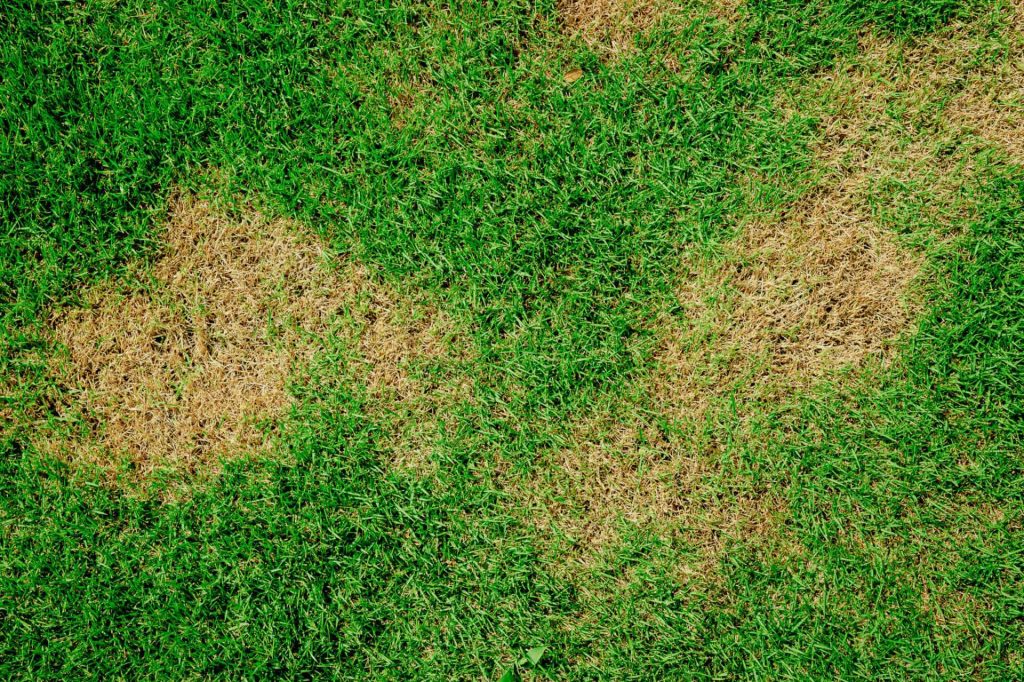
Lawn rust is generally not harmful to grass in the long term, but it can weaken your lawn’s overall health and appearance. If left untreated, it may lead to further issues such as thinning grass and increased susceptibility to diseases. To manage lawn rust effectively, regular maintenance practices like mowing, watering, and fertilizing are key. In addition, choosing rust-resistant grass varieties can also help. By addressing lawn rust promptly, you can keep your grass vibrant and healthy, allowing it to flourish even when faced with this common lawn ailment.
Lawn rust is a fungal disease that manifests as orange or yellowish spots on the grass blades. While it may seem alarming, understanding how to manage it can help keep your lawn looking lush and green. Proper care and attention can make all the difference in combating this issue.

“`html
Is Lawn Rust Harmful to Grass?
Lawn rust is a common fungal condition that creates a reddish or orange powdery coating on grass blades. It primarily affects cool-season grasses, especially during periods of warm, humid weather. A significant concern for homeowners and gardening enthusiasts is whether lawn rust is harmful to their grass. Let’s dig deeper into this topic to better understand its effects, causes, and management strategies.
Understanding Lawn Rust
Lawn rust is caused by a variety of fungus species, primarily those belonging to the genus *Puccinia*. These pathogens thrive under specific conditions, leading to an outbreak on your grass. The spores of the fungus can spread easily and quickly, affecting a wide area.
– The symptoms of lawn rust include yellowing of grass blades accompanied by orange or rust-colored spores.
– On close inspection, you may find these spores on the upper or lower surfaces of the leaves.
While the sight of lawn rust can be alarming, it is crucial to understand how it affects your grass and its overall health.
Is Lawn Rust Really Harmful?
Yes, lawn rust can be harmful to grass, but the severity depends on various factors. While it may not be immediately life-threatening to your lawn, its presence indicates underlying issues that need attention.
– **Reduced Photosynthesis**: The orange spores cover the grass blades, reducing their ability to absorb sunlight effectively.
– **Weakened Grass**: If left untreated, lawn rust can weaken the grass, making it susceptible to further diseases and pests.
Healthy grass should recover from a lawn rust infection if the conditions improve, but significant infestations can lead to patchy, unhealthy lawns.
Factors Contributing to Lawn Rust
Several environmental and cultural factors contribute to the development of lawn rust. Understanding these factors will help you create a better environment for your grass.
Climate Conditions
Lawn rust thrives in specific climatic conditions.
– **Warm Temperatures**: Rust prefers temperatures between 60°F and 75°F.
– **High Humidity**: Moisture plays a vital role in its development. High humidity levels create a favorable environment for the fungus to flourish.
Grass Health
The health of your grass also impacts its vulnerability to lawn rust.
– **Nutritional Deficiencies**: A lack of essential nutrients such as nitrogen can weaken grass, making it more susceptible to rust.
– **Overcrowding**: Crowded lawns with insufficient air circulation promote moisture retention, further encouraging fungal growth.
Identifying Lawn Rust Symptoms
Recognizing the symptoms of lawn rust early can help prevent severe damage to your lawn.
- Color Change: Grass blades become yellow before the spores develop.
- Spore Production: The presence of orange or rust-colored spores on blades.
- Blade Damage: Grass may appear thin and weak overall.
Taking timely action when these symptoms appear is essential to protect your lawn.
Management Strategies for Lawn Rust
Dealing with lawn rust effectively requires a combination of preventive measures and treatments. Here are some strategies to consider:
Improving Lawn Conditions
Modifying your lawn care routine can significantly reduce the chances of lawn rust.
– **Proper Watering**: Water your lawn in the morning to allow blades to dry throughout the day.
– **Mowing Height**: Keep the grass at an optimal height. Taller grass can shade out the lower blades, reducing humidity near the soil surface.
Nutrient Management
Providing adequate nutrients can help grass resist fungal infections.
– **Fertilization**: Use a balanced fertilizer to promote healthy growth. Focus on nitrogen-rich products.
– **Soil Testing**: Conduct regular soil tests to guide your fertilization practices effectively.
Pest Control
Keeping pests and other diseases at bay can help your grass stay healthy.
– **Fungi Treatments**: Fungicides can be effective in controlling severe infestations of lawn rust.
– **Natural Remedies**: Consider using baking soda solutions or vinegar sprays as organic treatments for minor infections.
Prevention is Key
Preventing lawn rust is the best approach to keeping your grass healthy. Here are some effective tips:
- Choose Resistant Grass Varieties: Select grass species known for their resistance to rust.
- Aerate the Lawn: Aerating helps improve air circulation and reduces moisture retention.
- Regular Maintenance: Keep up with mowing, watering, and fertilizing practices to maintain lawn health.
Taking these steps can help create an environment less conducive to rust development.
Seasonal Considerations
Understanding how lawn rust behaves with the seasons can further enhance your management practices.
Spring and Fall
During these transitional periods, lawn rust may become more prevalent.
– **Monitor Conditions**: Keep an eye on moisture levels and temperatures as the weather changes.
– **Preventative Treatments**: Apply fungicides early in the season as a preventive measure.
Summer and Winter
Summer heat can exacerbate rust problems, while winter can help reduce fungal populations.
– **Water Wisely**: During hot months, make sure to adjust your watering schedule.
– **Winter Care**: Keep up with winter lawn care to prevent rust from overwintering.
In conclusion, while lawn rust can be harmful to grass, understanding its effects and implementing effective management strategies can help maintain a healthy lawn. By monitoring environmental conditions, ensuring proper lawn care, and applying timely treatments, you can enjoy a vibrant and resilient lawn free from the worries of lawn rust. Remember, prevention is the best approach to keeping your grass healthy and thriving.
“`
How To Get Rid Of Rust Disease/Fungus In The Lawn
Frequently Asked Questions
“`html
What are the symptoms of lawn rust on grass?
Lawn rust manifests as yellow or orange spots on grass blades. These spots can create a powdery appearance, and as the condition worsens, the affected blades may become brown and die off. During heavy infections, you might also notice grass blades becoming weak and bending over.
How can I control lawn rust effectively?
To control lawn rust, ensure your lawn receives proper air circulation by mowing regularly and avoiding excessive watering. Applying a nitrogen-rich fertilizer can help promote healthy grass growth, making it more resilient to rust. Additionally, maintaining a balanced pH level in the soil can discourage the growth of lawn rust.
Can lawn rust spread to other plants in the garden?
Lawn rust primarily affects grass and is less likely to spread to other types of plants such as flowers or shrubs. However, if you have a diverse garden with grasses that are susceptible to rust, it’s wise to monitor all plants and take preventive measures to limit any potential spread.
Is lawn rust more common in certain seasons?
Lawn rust tends to be more prevalent in warm, humid conditions, often appearing during late summer and early fall. During these seasons, the combination of heat and moisture creates an ideal environment for the rust fungus to thrive, making regular lawn care especially important during this time.
Will lawn rust affect the overall health of my lawn?
While lawn rust can weaken grass and cause noticeable aesthetic damage, it typically does not kill the grass outright. However, if left untreated, it can lead to thinning of the lawn and increased susceptibility to other pests and diseases. Regular maintenance and prompt action can help keep your lawn healthy despite rust issues.
“`
Final Thoughts
Lawn rust can pose a threat to grass health. It may weaken the grass and make it more susceptible to other diseases and stress factors. However, with proper care and maintenance, grass can recover from lawn rust.
Regular mowing, appropriate watering, and fertilization can mitigate its effects. Ultimately, understanding “is lawn rust harmful to grass” helps homeowners take proactive measures to maintain a lush and healthy lawn.