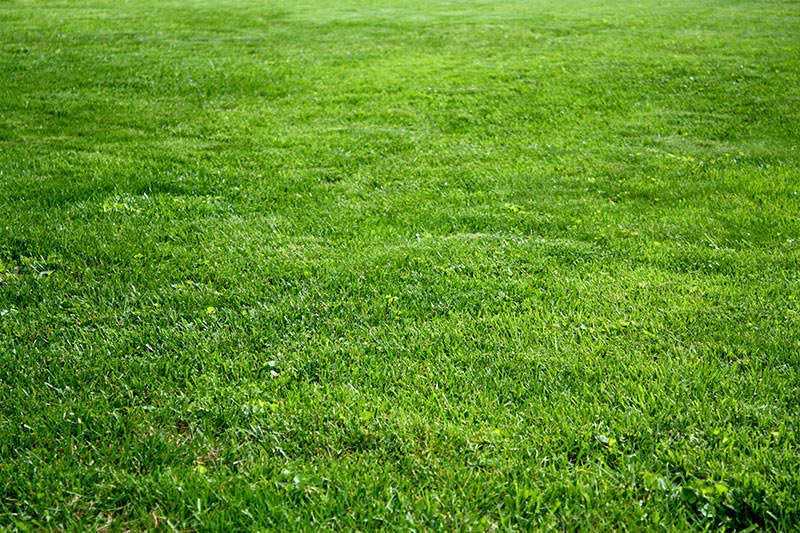
Yes, Kentucky bluegrass is a cool-season grass, not a warm-season grass. It thrives in cooler temperatures, making it a popular choice for lawns in temperate regions. If you’re wondering whether Kentucky bluegrass is suitable for hot summer climates, the answer is no—it tends to go dormant and can struggle under high heat.
Kentucky bluegrass is widely appreciated for its lush, dense appearance and excellent turf quality, especially in cooler climates. It’s known for its beautiful, vibrant green color and its ability to recover quickly from damage. However, because it prefers cooler weather, it performs best during spring and fall, not in the heat of summer. If you’re looking for a grass that stays green during hot months, other warm-season varieties might be better suited to your needs.

Is Kentucky Bluegrass a Warm Season Grass?
Understanding Kentucky Bluegrass and Its Growing Cycle
Kentucky bluegrass is a popular choice for lawns in many parts of North America. It is well known for its lush green color and soft texture. Typically, this grass is considered a cool-season grass, meaning it thrives in cooler weather conditions. During the spring and fall, Kentucky bluegrass grows actively and remains vibrant.
In contrast, during hot summer months, Kentucky bluegrass tends to go dormant or slow growth. This dormancy helps the grass survive intense heat and drought periods. As a result, many wonder whether Kentucky bluegrass is suitable as a warm season grass. The answer requires understanding its basic growth cycle and environmental preferences.
What Defines a Warm Season Grass?
Warm season grasses are plants that grow best in regions with hot summers and mild winters. They usually enter dormancy during colder months, turning brown or brownish-gray. Common warm season grasses include Bermuda grass, St. Augustine, and Zoysia.
These grasses have deep root systems that help them endure dry conditions. They typically require more heat to grow vigorously and need high temperatures to reach their full potential. Knowing this helps us compare Kentucky bluegrass with true warm season grasses.
Is Kentucky Bluegrass a Warm Season Grass?
The short answer is no. Kentucky bluegrass is classified as a cool-season grass. It prefers temperatures between 60°F and 75°F for optimal growth. In hot weather, especially above 85°F, Kentucky bluegrass struggles and goes into dormancy.
However, Kentucky bluegrass can tolerate warm weather better than some other cool-season grasses. It often remains green into early summer but begins to decline during peak summer heat. Its growth pattern aligns with cooler temperatures, reinforcing its classification as a cool-season grass.
Temperature Tolerance and Growth Habits
Kentucky bluegrass thrives in temperatures ranging from 60°F to 75°F, making it ideal for spring and early fall. When temperatures rise above 85°F, the grass enters dormancy to protect itself from heat stress. It turns brown but can recover when cooler weather returns.
Its growth slows significantly during hot summer months, and it requires supplemental watering and shade to stay healthy. During winter, Kentucky bluegrass enters dormancy in colder climates, remaining brown until spring. These behaviors confirm its placement as a cool-season grass.
Impact of Climate on Kentucky Bluegrass
In regions with hot summers, Kentucky bluegrass may require extra care to survive. Lawns in southern zones often struggle to keep their lush green appearance during peak heat. In cooler northern areas, it remains a top choice for lush lawns because of its adaptability to cooler temperatures.
Kentucky bluegrass can survive in mixed lawns with warm-season grasses, but it generally does not replace true warm-season varieties. Gardeners in warmer climates often opt for grasses specially bred for high heat tolerance instead.
Can Kentucky Bluegrass Be Used in Warm-Season Regions?
In regions with consistently hot and humid weather, Kentucky bluegrass is less suitable. It tends to go dormant during the hottest months, leading to patchy or brown lawns. However, in areas with milder summer temperatures, it can continue to grow with proper maintenance.
Some homeowners in transitional zones use Kentucky bluegrass because of its appealing appearance. Still, they often combine it with other grasses that handle heat better to achieve a resilient lawn.
How to Manage Kentucky Bluegrass During Hot Weather
Proper lawn care can help Kentucky bluegrass survive during summer. Tips include:
- Water deeply and infrequently to encourage deep roots
- Ensure well-draining soil to prevent root rot
- Use shade structures or plant near trees to reduce heat stress
- Apply appropriate fertilization to support healthy growth
- Cut grass at a higher setting to reduce stress and retain moisture
These practices can extend the green period of Kentucky bluegrass, even in warmer climates.
Alternative Grass Types for Warm Climate Regions
For areas with long hot summers, consider grasses that are naturally warm season. Examples include:
- Bermuda Grass – very heat and drought tolerant
- Zoysia – lush, low-maintenance, and heat resistant
- St. Augustine – thrives in humid, warm conditions
- Centipede grass – slow-growing but hardy in warm climates
These grasses stay green longer during summer and require less water and care.
Summary of Kentucky Bluegrass’s Place in Lawn Care
Kentucky bluegrass is best suited for cooler regions or transitional zones where summer heat is moderate. It offers an attractive, dense lawn but does not fully qualify as a warm season grass. Its growth habits and temperature preferences reinforce its classification as a cool-season grass.
While it can tolerate some warm weather with proper care, it cannot replace true warm season grasses in hot climates. Lawn owners should choose grass types based on their region’s climate for optimal results.
Related Topics to Consider
Combining Cool and Warm Season Grasses
Mixing different types can create a resilient lawn that looks good year-round. Experts often recommend blending Kentucky bluegrass with warm-season grasses in transitional zones.
Seasonal Lawn Maintenance Tips
Adjust watering, mowing, and fertilization routines according to the season. Proper care helps keep Kentucky bluegrass healthy during cooler months.
Selecting the Best Grass for Your Region
Research your climate zone and consult lawn care professionals to choose the right grass. This ensures your lawn remains lush and healthy throughout the year.
Effects of Soil Quality on Kentucky Bluegrass
Kentucky bluegrass prefers well-drained, fertile soil. Improving soil health can enhance its resilience in less-than-ideal conditions, including warmer weather.
Environmental Concerns and Sustainable Lawn Care
Using native or drought-tolerant grasses can reduce water use and maintenance. It also supports local ecosystems and reduces chemical runoff.
Overall, understanding whether Kentucky bluegrass is a warm season grass helps in making the right choice for your lawn. While it offers beauty and dense growth in cooler weather, it does not handle summer heat as well as true warm season grasses. Careful selection and maintenance will ensure your lawn stays healthy and vibrant throughout the seasons.
Kentucky Bluegrass Pros and Cons
Frequently Asked Questions
Does Kentucky Bluegrass grow actively during warm months?
Yes, Kentucky Bluegrass thrives during cooler seasons and generally enters dormancy in the heat of summer. It prefers temperatures between 60°F and 75°F, making it less active in the hottest months of the year.
Can Kentucky Bluegrass be planted in regions with hot summers?
While it can survive in areas with hot summers, Kentucky Bluegrass performs best in regions with moderate temperatures. In hot climates, you may need to provide additional irrigation and maintenance to keep the grass healthy.
Is Kentucky Bluegrass suitable for lawns in warm climates?
Kentucky Bluegrass is better suited for cooler and transition zones. In consistently warm climates, it may struggle to stay lush without extra care, and alternative warm-season grasses might be more appropriate.
Does Kentucky Bluegrass require specific care during the warmer months?
Yes, during warmer months, Kentucky Bluegrass needs increased watering, proper fertilization, and sometimes overseeding to maintain its appearance. Proper lawn management helps it withstand heat stress better.
Is Kentucky Bluegrass considered a warm-season or cool-season grass?
It is classified as a cool-season grass, thriving in conditions with moderate temperatures and less actively growing during peak summer heat.
Final Thoughts
Kentucky bluegrass is a cool-season grass known for its lush, dense appearance. It thrives in cooler temperatures and requires proper watering to stay healthy.
While it is popular in many lawns, it is not classified as a warm season grass.
Is Kentucky bluegrass a warm season grass? No, it is considered a cool-season grass that performs best in spring and fall.