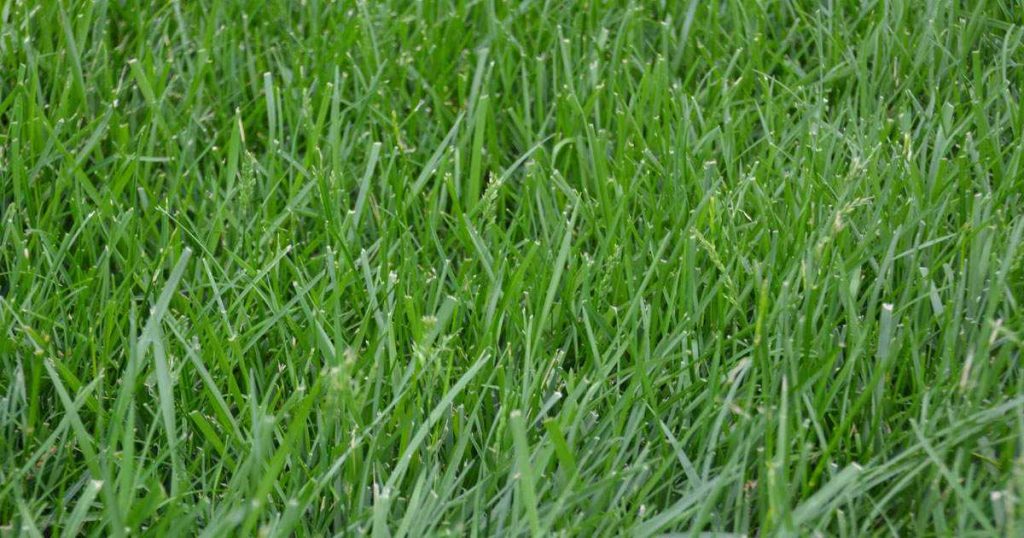
No, Kentucky 31 and Kentucky bluegrass are not the same, although they are both popular turfgrass options. Kentucky 31 is a tall fescue variety known for its durability, drought tolerance, and adaptability to various soil types, making it a favorite for many homeowners. Kentucky bluegrass, on the other hand, offers a lush, dense, and fine-textured appearance that thrives in cooler climates and creates a beautiful, soft lawn. While they may share some similarities, they serve different purposes and have distinct characteristics that influence their maintenance and appearance. If you’re choosing between the two, understanding their differences will help you select the best grass for your lawn’s specific needs and climate.
Thinking about upgrading your lawn? Knowing whether Kentucky 31 and Kentucky bluegrass are the same can save you from making a confusing mistake. Both grasses are common in lawns, but they have unique qualities suited to different conditions. Kentucky 31 is tough and hardy, giving it an edge in areas with challenging weather or foot traffic, whereas Kentucky bluegrass provides a soft, velvety look ideal for lush, attractive lawns. In this article, we’ll explore the key differences between these grass types, helping you decide which is better for your outdoor space. Whether you want a resilient yard or a beautiful green carpet, understanding their unique traits will guide your choice for a healthier, more vibrant lawn.

Is Kentucky 31 the Same as Kentucky Bluegrass?
Understanding Kentucky 31 and Kentucky Bluegrass
Kentucky 31 and Kentucky Bluegrass are both popular grasses used in lawns and landscapes. However, they are quite different in terms of appearance, growth habits, and uses. It’s important to know these differences to choose the right grass for your yard.
Kentucky 31 is a tall, cool-season grass known for its durability and ability to withstand tough conditions. It is a type of tall fescue, a grass that is often used for pastures and large lawns. On the other hand, Kentucky Bluegrass is a fine-textured, dense grass well-loved for its lush appearance and soft feel underfoot.
Differences in Appearance and Texture
Kentucky 31 has a coarser texture and darker green color. Its blades are broader and more upright. This makes it more noticeable from a distance but less soft to walk on.
Kentucky Bluegrass has a fine, soft texture with a vibrant green color. Its blades are thinner and form a dense, carpet-like surface that looks beautiful and inviting. This grass is often chosen for high-maintenance lawns because of its aesthetic appeal.
Growth Habits and Cover
Kentucky 31 tends to grow tall with a rougher surface. It develops a bunch-type growth pattern that can become patchy over time. Its roots are deep, allowing it to withstand droughts and heavy foot traffic.
Kentucky Bluegrass spreads through rhizomes, which are underground stems. This spreading nature helps it fill in gaps quickly and create a smooth, uniform lawn. It generally stays shorter and more compact than Kentucky 31.
Climate Suitability and Growing Conditions
Both grasses grow best in cooler seasons, but Kentucky 31 is more adaptable to challenging conditions. It tolerates drought, poor soil, and heavy wear better than Kentucky Bluegrass.
Kentucky Bluegrass prefers well-drained, fertile soils and consistent moisture. It struggles in extreme heat or drought conditions, which can lead to thinning or brown patches.
Maintenance Needs and Care
Kentucky 31 requires less frequent mowing due to its taller growth. It is resilient and needs less fertilization. Regular overseeding might be necessary to keep it lush.
Kentucky Bluegrass demands more regular mowing, watering, and fertilization. It benefits from overseeding annually to maintain density and color. Proper lawn care enhances its natural beauty.
Uses and Ideal Growing Locations
Kentucky 31 is ideal for large areas, parks, sports fields, or places needing tough turf. It handles heavy foot traffic well and is cost-effective.
Kentucky Bluegrass is perfect for home lawns, ornamental gardens, and golf courses. Its dense, soft surface makes it suitable for recreational activities and aesthetic landscaping.
Advantages and Disadvantages
- Kentucky 31: Advantages include durability, drought tolerance, and low maintenance. Disadvantages are coarser texture and less attractive appearance.
- Kentucky Bluegrass: Advantages are fine texture, lush look, and dense coverage. Disadvantages include higher upkeep, sensitivity to drought, and more frequent watering.
Comparative Table: Kentucky 31 vs Kentucky Bluegrass
| Feature | Kentucky 31 | Kentucky Bluegrass |
|---|---|---|
| Texture | Coarse | Fine |
| Growth Pattern | Bunch-type | Rhizomatous (spreading) |
| Color | Dark Green | Vibrant Green |
| Durability | High, withstands tough conditions | Moderate, needs care |
| Maintenance | Low to moderate | High |
| Ideal Uses | Parks, sports fields, large lawns | Home lawns, ornamental landscapes |
Choosing the Right Grass for Your Lawn
Selecting between Kentucky 31 and Kentucky Bluegrass depends on your priorities—whether durability or appearance. For high-traffic areas needing tough turf, Kentucky 31 is a good choice.
For a lush, soft lawn and aesthetic appeal, Kentucky Bluegrass offers excellent results with proper care. Consider your climate, soil, and maintenance willingness before making a decision.
Summary of Key Points
- Kentucky 31 is a tall, tough grass suitable for large, high-traffic areas.
- Kentucky Bluegrass is a fine, dense grass often used for ornamental lawns.
- The two grasses differ in texture, growth habits, and maintenance needs.
- Understanding these differences can help you select the best grass for your landscape.
Related Topics
- Best Fertilizers for Kentucky 31 and Bluegrass
- Watering Tips for Different Grass Types
- Overseeding Techniques for a Healthy Lawn
- Dealing with Common Lawn Problems
- Cost Comparison of Kentucky 31 and Kentucky Bluegrass
This comprehensive comparison clarifies that Kentucky 31 is not the same as Kentucky Bluegrass, though they are often confused due to similar names. Both have distinct benefits and ideal uses, making it essential to understand your specific lawn needs before choosing.
Kentucky 31 Vs Tall Fescue- Know Which One Is Best
Frequently Asked Questions
Is Kentucky 31 a variety of Kentucky bluegrass?
No, Kentucky 31 is not a type of Kentucky bluegrass. It is a tall fescue, a different grass species known for its durability and drought resistance. Kentucky bluegrass, on the other hand, is a cool-season grass appreciated for its lush, fine-textured appearance. While both are common in lawns, they belong to separate grass categories with distinct characteristics.
Can Kentucky 31 be used as a replacement for Kentucky bluegrass in lawns?
Yes, Kentucky 31 can serve as an alternative, especially in areas where drought tolerance and low maintenance matter most. It performs well under high foot traffic and requires less watering compared to Kentucky bluegrass. However, it has a different texture and color, which may influence the overall aesthetic of your lawn.
What are the main differences in maintenance between Kentucky 31 and Kentucky bluegrass?
Kentucky 31 generally demands less frequent watering and fertilization, making it easier to manage. It is also more resistant to certain pests and diseases. Kentucky bluegrass needs more consistent watering, regular mowing, and specific fertilization to maintain its fine texture and vibrant color. These differences impact how homeowners care for each grass type.
Does Kentucky 31 provide a similar appearance to Kentucky bluegrass?
No, Kentucky 31 has a coarser texture and a darker green hue compared to the fine, soft blades of Kentucky bluegrass. Its appearance is more rugged and suited for functional lawns rather than ornamental ones. If a lush, dense, and uniform look is your goal, Kentucky bluegrass offers a superior aesthetic, while Kentucky 31 emphasizes durability.
Is Kentucky 31 suitable for cooler climates like Kentucky?
While Kentucky 31 performs well in a range of environments, it is better suited for warmer or transitional zones due to its drought and heat tolerance. Kentucky bluegrass thrives in cooler climates and in conditions with adequate moisture, making it a preferred choice for lawns that prioritize aesthetics and cooler weather resilience.
Final Thoughts
Kentucky 31 and Kentucky bluegrass are often confused, but they are different types of grass. Kentucky 31 is a tall fescue variety known for its durability and heat tolerance. Kentucky bluegrass, on the other hand, offers a fine texture and vibrant color.
While both are popular for lawns, they serve different needs depending on climate and maintenance preferences.
In conclusion, is Kentucky 31 the same as Kentucky bluegrass? No, they are distinct grasses with unique qualities suited to various lawn requirements.