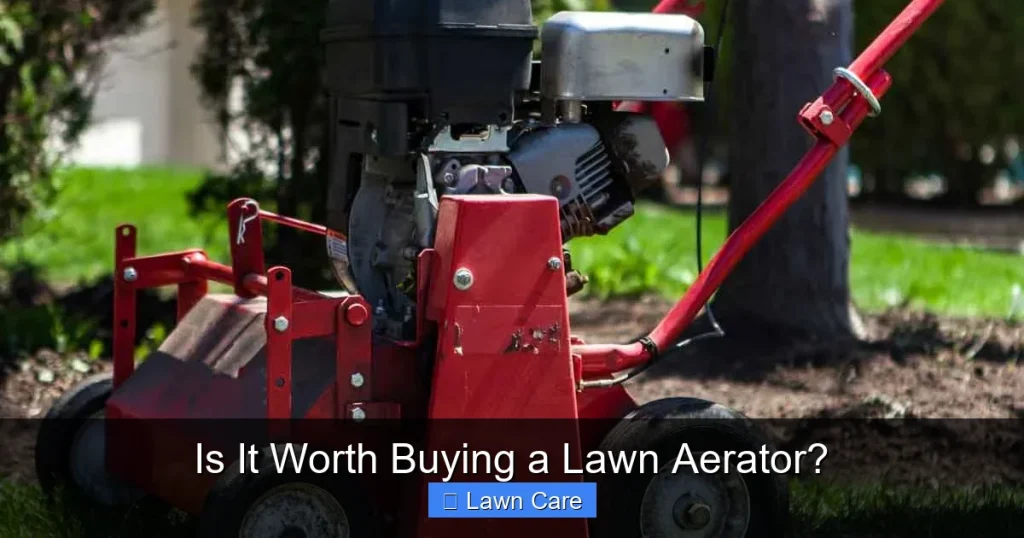
Deciding whether to buy a lawn aerator depends on your lawn’s condition and your commitment to DIY care. For compacted soil or struggling grass, an aerator can be a worthwhile investment for a healthier, more vibrant lawn. Consider the cost versus professional services or renting to make the best choice for your yard.
Are you looking at your lawn and wishing it was a little greener, a little lusher, and a little more… alive? We all want that picture-perfect yard, the kind that makes your neighbors a little envious. But sometimes, no matter how much you water, fertilize, or mow, your lawn just doesn’t seem to reach its full potential. If this sounds familiar, you might have heard about lawn aerators. But the big question is: is it worth buying a lawn aerator?
This isn’t a simple yes or no answer. Like many things in lawn care, it depends. It depends on your lawn, your goals, and your budget. Let’s break it down so you can make an informed decision about whether adding this tool to your arsenal is the right move for you. We’ll look at what aeration does, who needs it, the costs involved, and the benefits you can expect.
- Aeration improves soil health by relieving compaction, allowing air, water, and nutrients to reach grass roots.
- A lawn aerator is most beneficial for compacted or heavily trafficked lawns, or those with thatch buildup.
- The cost of buying an aerator varies, from affordable manual spike aerators to more expensive core aerators.
- Renting an aerator is an option for occasional use, potentially saving money compared to purchasing.
- Benefits include healthier grass, better water penetration, and reduced thatch, leading to a more attractive lawn.
- Consider your lawn’s specific needs and your willingness to perform the task when deciding if buying is worth it.
Quick Answers to Common Questions
What is the main benefit of aerating a lawn?
The main benefit of aerating a lawn is to relieve soil compaction. This allows essential elements like air, water, and nutrients to penetrate the soil and reach the grass roots, promoting healthier and stronger growth.
How often should I aerate my lawn?
Most lawns benefit from aeration once a year, typically in the spring or fall when the grass is actively growing. Heavily compacted or stressed lawns might benefit from aeration twice a year.
Can I aerate my lawn myself?
Yes, you can aerate your lawn yourself using manual or powered aerators. The effort involved varies depending on the type of aerator and the size of your lawn.
Will aeration damage my lawn?
Properly done aeration, especially with a core aerator, is beneficial. While it might look a bit rough immediately after, the small holes or plugs encourage healing and improved growth. Can aerating a lawn damage it? is a common concern, but it’s generally very safe when done correctly.
When is the best time to aerate a lawn?
The best time to aerate is during the active growing season for your grass type. For cool-season grasses, this is typically spring and fall. For warm-season grasses, late spring or early summer is ideal. Avoid aerating when the grass is dormant or under extreme stress. When is the best time to aerate a lawn? has more details.
📑 Table of Contents
- What Exactly Is Lawn Aeration and Why Does It Matter?
- Who Needs a Lawn Aerator? Signs Your Lawn is Begging for It
- Types of Lawn Aerators: Which One is Right for You?
- The Cost Factor: Buying vs. Renting vs. Professional Services
- The Long-Term Benefits: Is the Investment Worth It?
- Making the Decision: Is Buying a Lawn Aerator Right for You?
What Exactly Is Lawn Aeration and Why Does It Matter?
Before we talk about buying, let’s get clear on what aeration actually does for your lawn. Think of your soil like a tightly packed box. Over time, especially with foot traffic, rain, and even your mower rolling over it, the soil particles get squeezed together. This is called soil compaction. When soil is compacted, it’s hard for essential things like air, water, and nutrients to get down to the grass roots where they’re needed most. It’s like trying to breathe through a thick blanket – not very effective!
Aeration is the process of creating small holes or plugs in the soil. These holes allow air, water, and nutrients to penetrate deeper into the soil, reaching the grass roots. This is crucial for healthy grass growth. It essentially “decompresses” your lawn, giving the roots room to breathe and grow strong.
The Science Behind Healthy Roots
Grass needs a healthy root system to thrive. Strong roots anchor the plant, absorb moisture and nutrients, and help the grass withstand stress from drought, heat, or disease. When soil is compacted, roots struggle to grow deep and can become shallow and weak. This makes the entire plant vulnerable.
Aeration also helps with thatch. Thatch is that layer of dead grass, roots, and other organic matter that builds up between the soil surface and the green blades of grass. A thin layer of thatch is actually good for your lawn, but when it gets too thick (over half an inch), it acts like a barrier. It can prevent water and nutrients from reaching the soil, and it can also harbor pests and diseases. Aeration helps break down this thatch layer, allowing your lawn to breathe and get what it needs.
Who Needs a Lawn Aerator? Signs Your Lawn is Begging for It
Visual guide about Is It Worth Buying a Lawn Aerator?
Image source: familyhandyman.com
Not every lawn needs aeration every year, or even at all. However, certain conditions are clear indicators that your lawn would greatly benefit from this process. Understanding these signs will help you determine if buying a lawn aerator is a worthwhile investment for your specific situation.
Signs of Compacted Soil
The most obvious sign is compacted soil. How can you tell?
- Water runoff: Does water pool on your lawn for a long time after rain or watering, or does it run off easily instead of soaking in? This is a sign that water isn’t penetrating the soil well.
- Hard soil: Try pushing a screwdriver or a thin rod into the ground. If it’s difficult to push in more than a few inches, your soil is likely compacted.
- Spongy turf: A lawn that feels spongy underfoot can indicate a thick thatch layer, which often goes hand-in-hand with compaction.
Heavily Trafficked Areas
Does your lawn get a lot of use? If you have kids who play soccer, pets that run laps, or a favorite path worn across the grass, those areas are prime candidates for compaction. Even regular mowing can contribute to this over time. If you notice these high-traffic zones looking thin, weak, or bare, aeration can help them recover.
Thick Thatch Buildup
As mentioned, a thick thatch layer is a problem. If you can easily see or feel a dense mat of dead grass beneath the green blades, it’s time to consider aeration. This is especially common in lawns with certain types of grass that produce a lot of organic matter, like some fescues or bentgrasses.
Poor Drainage
If your lawn stays waterlogged for extended periods, it’s a strong signal that the soil structure is poor and water isn’t draining properly. This can lead to root rot and other fungal diseases. Aeration opens up channels for water to drain away, preventing these issues.
Yellowing or Stunted Grass Growth
If your grass looks consistently pale, yellow, or just isn’t growing as vigorously as it should, despite proper watering and fertilization, it could be because the roots can’t access the nutrients and oxygen they need. Aeration can help address this underlying problem.
Types of Lawn Aerators: Which One is Right for You?
Visual guide about Is It Worth Buying a Lawn Aerator?
Image source: ripleysgc.co.uk
If you’ve decided aeration is a good idea for your lawn, the next step is figuring out what kind of aerator to get. There are several types, each with its own pros and cons, and this will influence your decision about whether buying is worth it.
Manual Spike Aerators
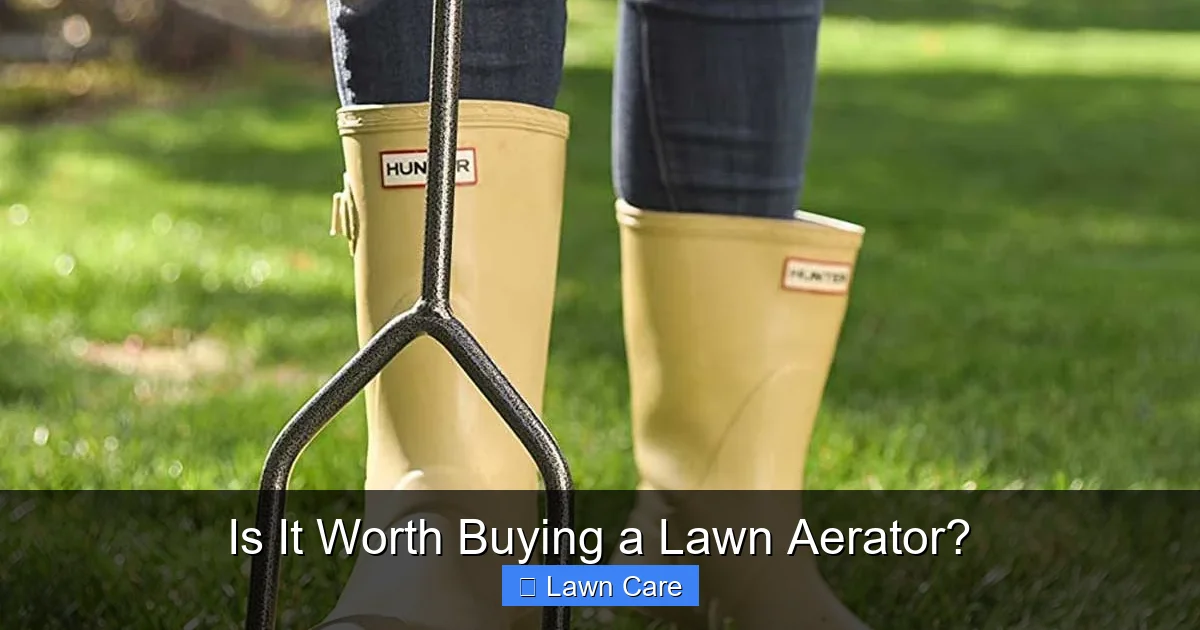
These are the simplest and most affordable options. They usually look like a shoe with spikes on the bottom that you strap onto your feet, or a tool with tines that you push into the ground.
- Pros: Very inexpensive, easy to store, good for small areas or spot treatment, doesn’t require fuel or electricity.
- Cons: Labor-intensive, especially for larger lawns. Spike aerators can actually compact the soil further by pushing it down rather than removing plugs. They are generally less effective than other methods.
For most people serious about lawn health, a manual spike aerator probably isn’t what they’re looking for if they’re asking “is it worth buying a lawn aerator?” for significant improvement.
Rotary (or Power) Tillers with Aerator Attachments
Some rototillers can be fitted with aerator attachments. These machines churn up the soil.
- Pros: Can cover ground relatively quickly.
- Cons: Can be very disruptive to the soil structure, often creating more problems than they solve. They don’t create clean holes or plugs but rather tear up the soil.
These are generally not recommended for lawn aeration.
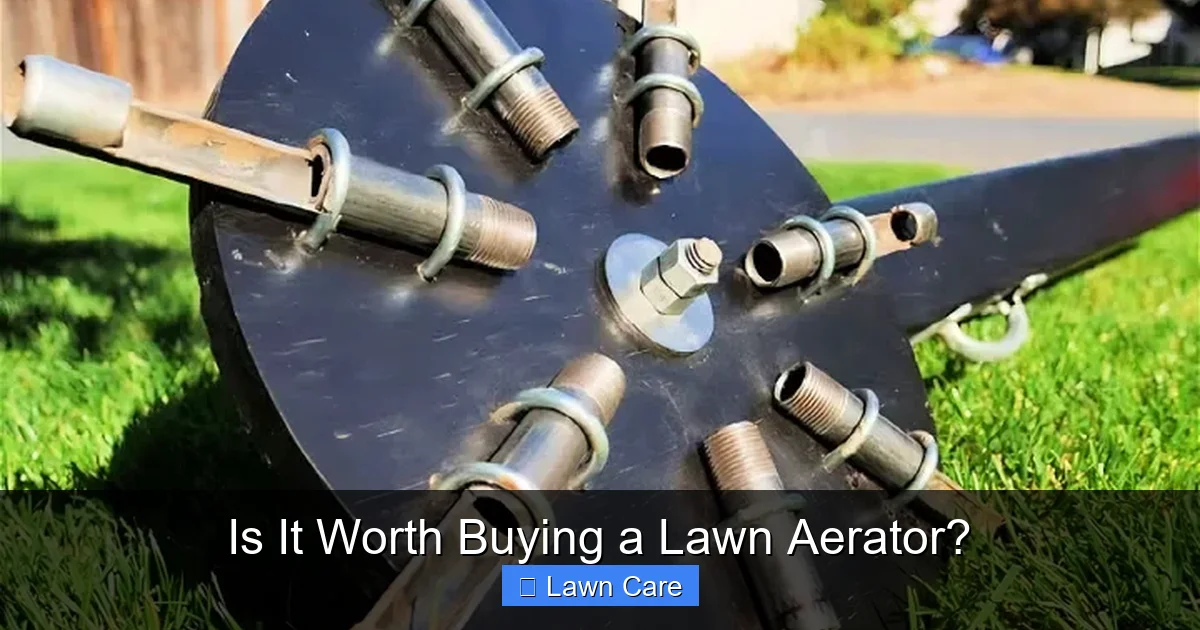
Core Aerators (Plug Aerators)
These are the gold standard for effective lawn aeration. They work by punching out small plugs of soil from your lawn. These plugs are then left on the surface to break down naturally.
- Types of Core Aerators:
- Manual Core Aerators: Similar to spike aerators but with hollow tines that extract plugs. Still quite a bit of work for larger lawns.
- Electric Core Aerators: These are powered by electricity and are great for small to medium-sized lawns. They are generally lighter and easier to maneuver than gas-powered models.
- Gas-Powered Core Aerators: These are the most robust and efficient. They are ideal for large lawns and are capable of handling tougher soil conditions.
- Tow-Behind Aerators: These attach to a riding mower or tractor and are designed for very large properties. Is a tow-behind aerator worth it for large yards? If you have acres, this is likely the most practical option for coverage.
- Pros: Highly effective at relieving compaction and improving soil structure. They create actual holes for air, water, and nutrients to reach roots. Helps break down thatch.
- Cons: Can be more expensive than other options. Gas-powered and tow-behind models require more maintenance and storage space.
For most homeowners aiming for a significantly healthier lawn, a core aerator (either electric or gas) is the most effective choice.
The Cost Factor: Buying vs. Renting vs. Professional Services
Visual guide about Is It Worth Buying a Lawn Aerator?
Image source: media.diycozyhome.com
When considering “is it worth buying a lawn aerator?”, the cost is a major factor. You need to weigh the upfront purchase price against the cost of other options.
Cost of Buying a Lawn Aerator
- Manual Spike Aerators: $30 – $100
- Manual Core Aerators: $50 – $200
- Electric Core Aerators: $200 – $500
- Gas-Powered Core Aerators: $300 – $1,000+
- Tow-Behind Aerators: $300 – $1,000+
Keep in mind these are general price ranges and can vary based on brand, features, and where you purchase them. When you buy, you own it outright. This means you can use it whenever you want, as often as you want, without recurring rental fees.
Cost of Renting a Lawn Aerator
Renting is a great option if you only need to aerate your lawn once or twice a year, or if you have a very large lawn and don’t want to invest in owning a heavy-duty machine.
- Rental Rates: Typically $50 – $150 per day, depending on the type of aerator and the rental company.
If you rent, you avoid the upfront cost of buying and the costs of maintenance and storage. However, rental fees can add up over time. If you plan to aerate regularly, buying will likely become more cost-effective in the long run. Buying vs. renting a lawn aerator: which is more cost-effective? This is a key consideration for making the right financial decision.
Cost of Professional Lawn Aeration Services
If you prefer to outsource the work entirely, you can hire a professional lawn care service.
- Professional Fees: The cost can range from $100 – $300 for a typical residential lawn, depending on the size and your location. Some companies may charge per square foot. What is the typical cost to aerate a lawn?
This option is the most convenient but also the most expensive. It’s a good choice if you have a very busy schedule or a particularly challenging lawn that you want professionally treated. It’s also worth considering if you’re wondering is it worth paying for lawn care in general.
The Long-Term Benefits: Is the Investment Worth It?
So, beyond the immediate task of creating holes, what are the long-term benefits that might make buying a lawn aerator a smart choice?
Healthier, More Vibrant Grass
This is the ultimate goal, right? By allowing roots to grow deeper and access essential resources, aeration leads to stronger, more resilient grass. Healthier grass is better able to resist disease, pests, and environmental stress, meaning fewer brown patches and a consistently greener appearance.
Improved Water and Nutrient Uptake
When your soil is compacted, water and fertilizers can sit on the surface or run off without reaching the roots. Aeration creates pathways, allowing these vital elements to soak in and be absorbed effectively. This means less wasted water and fertilizer, and a more efficient use of the products you apply.
Reduced Thatch Buildup
As mentioned, excessive thatch can suffocate your lawn. Aeration helps to break down this layer, promoting decomposition and allowing your grass to thrive. This is often paired with other lawn health practices like proper mowing and fertilization.
Better Soil Structure and Drainage
Over time, repeated aeration can significantly improve the overall structure of your soil. It breaks down heavy clay soils and improves aeration in sandy soils, leading to better drainage and a more hospitable environment for grass roots. This can even help prevent issues like waterlogging, which can be addressed with solutions like what is a lawn drain and how does it work if the problem is severe.
Saving Money in the Long Run
If you have a lawn that requires regular aeration, buying your own aerator can save you money compared to repeated rentals or professional services. Once you’ve recouped the initial purchase price, the “cost” of aeration becomes minimal – just your time and a bit of maintenance.
Making the Decision: Is Buying a Lawn Aerator Right for You?
To wrap things up, let’s consider the final decision. Is buying a lawn aerator worth it?
If you have a lawn that is:
- Frequently trafficked
- Visibly compacted (water pools, hard to penetrate)
- Suffering from significant thatch buildup
- Showing signs of poor health (yellowing, stunted growth) despite other care
- And you are committed to DIY lawn care
…then yes, buying a lawn aerator is likely a worthwhile investment. You’ll have the tool readily available to address these issues proactively, leading to a significantly healthier and more beautiful lawn over time.
However, if your lawn is generally healthy, rarely trafficked, and has good soil structure, you might not need an aerator at all. If you only have a small lawn or only need to aerate very occasionally, renting might be a more economical choice. And if you simply prefer not to do the work yourself, professional services are always an option.
Ultimately, the value of a lawn aerator is in the results it delivers: a robust, healthy, and beautiful lawn. For many homeowners facing common lawn issues, this tool is a key component in achieving that goal, making the purchase a sound investment in their property’s curb appeal and overall health.
Frequently Asked Questions
Is aeration necessary for all lawns?
No, aeration is not necessary for all lawns. Lawns with loose, sandy soil or those that do not experience heavy traffic may not require regular aeration. However, most established lawns in residential settings benefit from it.
What’s the difference between spike and core aeration?
Spike aeration involves pushing or forcing spikes into the soil, which can sometimes further compact it. Core aeration, on the other hand, punches out plugs of soil, which is far more effective at relieving compaction and improving soil structure.
How soon will I see results after aerating?
You may notice improved water penetration almost immediately. However, the visible results of healthier, greener grass typically become more apparent over several weeks to a few months as the grass roots grow deeper and stronger.
Can I fertilize my lawn after aerating?
Yes, fertilizing after aeration is highly recommended. The open holes allow the fertilizer to reach the root zone more effectively, leading to better nutrient uptake and promoting vigorous grass growth.
What should I do after aerating my lawn?
After aerating with a core aerator, leave the soil plugs on the lawn to break down naturally. Water your lawn thoroughly afterward, and consider applying fertilizer or overseeding if needed. Avoid heavy foot traffic for a few days.
Is it worth buying a cheap aerator?
For very small lawns or minimal compaction, a cheaper manual aerator might suffice. However, for significant compaction or larger areas, investing in a better quality core aerator, or considering renting, will likely yield much better results and be more worth your effort.