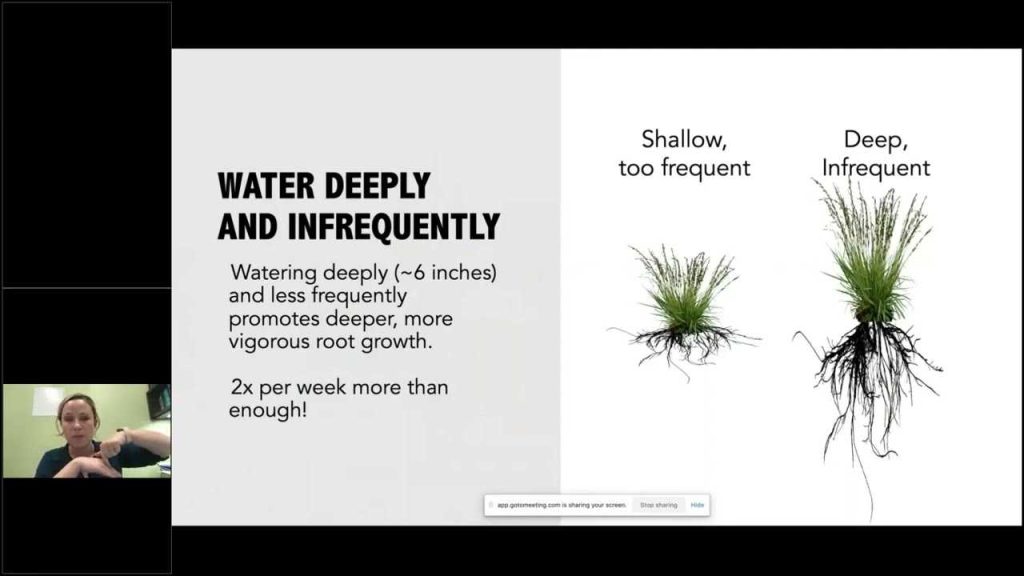
Watering deeply is generally better than watering frequently because it encourages roots to grow deeper, resulting in healthier plants that are more resilient to drought. The key is to strike a balance that keeps your plants well-hydrated without overdoing it, which can lead to problems like root rot.
In essence, deep watering encourages robust root growth and reduces the need for frequent watering, making your plants stronger over time. Shallow, frequent watering may seem easier but can cause roots to stay near the surface, making plants more vulnerable to dry spells. The best approach depends on your plant type, soil, and climate, but deep, less frequent watering usually yields sustainable and healthy growth.
Getting your watering strategy right can transform your garden from struggling to thriving. Many gardeners wonder whether they should water deeply or more often—here’s what you need to know to keep your plants happy and healthy.

Is it better to water deeply or frequently
Understanding the Difference Between Deep and Frequent Watering
To decide whether to water deeply or frequently, it’s important to understand what each approach means. Deep watering involves giving plants a large amount of water so that it penetrates deep into the soil, reaching the roots. Frequent watering, on the other hand, means supplying small amounts of water at regular intervals, keeping the soil consistently moist but not overly saturated.
This distinction affects plant health and soil condition. Deep watering encourages roots to grow further down, making plants stronger and more drought-resistant. Frequent watering can keep plants hydrated but might prevent roots from extending deep into the soil, which can be problematic during dry periods.
The Benefits of Deep Watering
Deep watering has many advantages for plants and soil structure. When water penetrates deep into the soil, it reaches the root zone, encouraging deep and healthy root growth. This helps plants access water during dry weather and reduces watering needs over time.
Deep watering also reduces water runoff and evaporation, ensuring that more water is used efficiently. It promotes a stronger root system, making plants more resilient to droughts, pests, and diseases. Additionally, deep watering can prevent shallow roots that are vulnerable to environmental stressors.
The Advantages of Frequent Watering
Frequent watering ensures that the soil remains moist, especially during hot or dry conditions. It supports young plants or those with shallow roots, helping them establish quickly. Frequent watering can be easier for beginners because it requires less planning and monitoring.
This approach can be effective in maintaining soil moisture levels during periods of high evaporation, such as in winter or during heatwaves. However, it’s important to avoid overwatering, which can lead to problems like root rot and fungal diseases.
How Soil Type Influences Watering Strategies
Different soils react differently to watering methods, so understanding your soil type is essential. Sandy soils drain quickly and may require more frequent watering, but only in small amounts. Clay soils retain water longer, so deep watering infrequently is more suitable to prevent waterlogging.
Loamy soil, which is a mix of sand, silt, and clay, typically balances water retention and drainage. With loamy soil, deep watering at intervals often works best, encouraging roots to grow downward while preventing shallow, weak roots.
Root Development and Watering Depth
Plant roots grow where water is most available. Deep watering encourages roots to extend downward, reaching water reserves farther below the surface. Shallow watering tends to encourage roots to stay close to the surface, making plants vulnerable during dry spells.
Strong root development means plants can withstand droughts better and access more nutrients. For example, trees and shrubs benefit from deep watering because their roots can grow several feet deep, stabilizing the plant and improving nutrient uptake.
Watering Frequency and Plant Type
Different plants have unique needs when it comes to watering. Vegetable gardens and annuals often need frequent watering to keep soil moist and promote rapid growth. Deep watering is better for established perennials, trees, and shrubs, as it supports healthy development and drought resistance.
Low-maintenance landscape plants generally thrive with less frequent deep watering, which encourages deeper roots. Always consider the specific water requirements for each plant type for optimal health.
Signs You Should Water Deeply or Frequently
Watch for signs that your plants need different watering strategies. If the soil feels dry several inches below the surface, it’s time for a deep watering. Wilting during hot parts of the day may indicate the need for more frequent watering or deep watering.
Overwatering signs include yellowing leaves, mushy stems, or a musty smell from the soil. These are indicators that you might be watering too often or too shallow, which can harm plant health over time.
Creating a Watering Schedule
The best watering schedule depends on weather, soil type, and plant needs. Generally, deep watering should occur once a week, allowing the soil to dry slightly between watering sessions. During high heat or drought, increase frequency appropriately.
In contrast, frequent watering might mean watering every few days, especially for young plants. Use a moisture meter or finger test to determine when soil is dry enough to water again, ensuring you don’t overdo it.
Tools and Techniques for Effective Watering
Effective watering techniques include using soaker hoses, drip irrigation, or watering cans to apply water directly to the root zone. These tools reduce waste and ensure water reaches where it’s needed most.
Consider mulch around plants to help retain soil moisture and reduce the frequency of watering. Mulching also prevents weeds and keeps the soil temperature consistent, supporting healthy plant growth.
Environmental Factors Impacting Watering Needs
Weather conditions significantly influence how often and deeply you should water. Hot, windy days increase evaporation, requiring more frequent or deeper watering. Conversely, cooler, humid days reduce water needs.
Wind, sunlight, and rain all affect soil moisture levels. During rainy seasons, watering might not be necessary at all, while during droughts, a strategic deep watering schedule can help plants survive.
Summary: Which Strategy Works Best?
Deep watering helps develop strong, drought-resistant plants by encouraging root growth deep into the soil. It minimizes water waste and supports healthier plant development.
Frequent watering is beneficial during hot, dry periods or for young and shallow-rooted plants. However, it must be balanced carefully to prevent overwatering and soil problems.
In conclusion, a combined approach often yields the best results. Deep watering at regular intervals coupled with supplemental shallow watering during extreme heat can help keep plants healthy and thriving. Adjusting your watering technique based on plant type, soil, and weather conditions provides the optimal strategy for plant care.
Frequently Asked Questions
What are the benefits of watering plants deeply?
Deep watering encourages roots to grow deeper into the soil, resulting in healthier and more resilient plants. It helps the soil retain moisture for a longer period, reducing the frequency of watering. Additionally, deep watering minimizes surface runoff and prevents shallow root development, making plants better able to withstand drought conditions.
How does frequent watering affect plant health?
Frequent watering can lead to shallow root growth because plants rely on surface moisture. This can make plants more susceptible to pests, diseases, and drought stress. Overwatering also risks waterlogged soil, which deprives roots of oxygen and causes root rot, ultimately harming plant health.
In what situations is deep watering preferable over frequent watering?
Deep watering is ideal for establishing new plants, during dry periods, or for plants with deep root systems. It ensures that moisture reaches the entire root zone, promoting strong growth. This approach reduces the need for frequent watering and helps plants develop resilience against drought conditions.
What are the signs that indicate a plant needs more water or less water?
Wilting leaves, dry soil, and discoloration often point to underwatering. Conversely, yellowing leaves, moldy soil, or a soggy base indicate overwatering. Observing these signs helps you adjust your watering schedule to meet the plant’s actual needs.
Can watering practices vary based on soil type?
Yes, soil type significantly influences watering needs. Sandy soils drain quickly and may require more frequent watering but less deep. Clay soils retain moisture longer, so deep yet less frequent watering prevents waterlogging. Tailoring your approach based on soil helps maintain optimal moisture levels for your plants.
Final Thoughts
Pour une croissance saine, il est préférable d’arroser profondément plutôt que fréquemment. Arroser en profondeur encourage l’enracinement, ce qui rend les plantes plus résistantes à la sécheresse.
Un arrosage fréquent peut sembler pratique, mais il risque de favoriser la moisissure et d’éviter aux racines de se développer en profondeur.
Is it better to water deeply or frequently, the réponse claire est qu’il vaut mieux privilégier une irrigation en profondeur pour des résultats durables et une plante plus forte.