Is instant coffee good for plants? The short answer is: it depends on what you're growing, how you use it, and how much you apply. Most of the advice floating around online actually refers to used coffee grounds, not the dehydrated granules sitting in your pantry.
Those are two very different things.
Instant coffee dissolves completely in water, delivers a concentrated caffeine hit, and often contains additives that spent grounds don't. That changes the equation for your soil, your plants, and the microbes living in both. As of 2026, university extension services still recommend composting coffee waste before soil application, and they're specifically talking about grounds, not the instant stuff.
Let's walk through what actually happens when you pour that morning leftover onto your garden.
Quick Answer
Instant coffee is not broadly good for plants. It can offer a minor nitrogen boost and mild acidity that helps certain species. But the caffeine concentration can inhibit root growth and seed germination in many common plants.
Used coffee grounds are a far safer soil amendment. If you use instant coffee, dilute it heavily and only apply it to established acid-loving plants.
Why Most People Get This Wrong (Instant Coffee ≠ Coffee Grounds)
Here's where the confusion starts. You've probably read that "coffee is great for plants" a hundred times. And that advice is usually sound, but it's almost always talking about used coffee grounds, the wet slurry left after brewing.
Those grounds have had most of their caffeine extracted during the brewing process. What's left is a mildly acidic, nitrogen-rich organic material that breaks down slowly in soil.
Instant coffee is a completely different product. It's made by brewing real coffee at an industrial scale, then dehydrating it through spray-drying or freeze-drying. The result is a concentrated powder or granule that still contains most of the caffeine from the original beans.
When you dissolve it in water and pour it on soil, you're delivering a much stronger dose of caffeine than used grounds ever would.
On top of that, many commercial instant coffee brands include anti-caking agents, stabilizers, or flavor enhancers. Those additives have no business in your garden bed. They can alter soil chemistry in ways that aren't well studied and may harm the beneficial microorganisms your plants depend on.
So when someone tells you coffee is good for your garden, ask them one question: do they mean grounds or instant? The answer matters a lot.
What's Actually in Instant Coffee That Affects Plants
Let's break down what you're actually putting on your soil when you dissolve those granules.
Caffeine is the big one. It makes up roughly 1, 2% of the dry weight of instant coffee, which translates to about 30, 90 mg per teaspoon depending on the brand. In soil, caffeine acts as an allelopathic compound, meaning it can suppress the growth of nearby organisms.
That includes weed seeds, which sounds great until you realize it can also suppress your desired plants, especially seedlings and shallow-rooted species.
Nitrogen is present in small amounts, roughly 1.5, 2% by weight, similar to used grounds. It's an organic nitrogen source, meaning soil microbes have to break it down before plants can absorb it. That's a slow process and not a reliable substitute for actual fertilizer.
Trace minerals like potassium, magnesium, and phosphorus are there in modest quantities. They're genuinely useful to plants, but the amounts in a teaspoon of instant coffee are tiny compared to what a balanced fertilizer delivers.
Tannins and polyphenols survive the manufacturing process. In concentrated form, these compounds can be mildly toxic to soil bacteria and fungi. In a compost pile, they break down without issue.
Poured directly onto soil in a strong solution, they can temporarily disrupt the microbial community.
pH is the other factor people fixate on. Instant coffee dissolved in water typically lands between pH 5.0 and 6.0, which is mildly acidic. That's useful for acid-loving plants but potentially harmful for species that prefer neutral or alkaline soil.
The bottom line: instant coffee isn't poison, but it's not a straightforward fertilizer either. It's a mixed bag of compounds that affect soil biology in competing ways.
When Instant Coffee Can Help Your Plants
There are specific situations where a diluted instant coffee application makes sense. The key word is "diluted" and the key condition is "the right plant."
Acid-Loving Plants That Might Benefit
If you're growing blueberries, azaleas, rhododendrons, camellias, or hydrangeas, your soil pH matters a lot. These species thrive in acidic conditions between pH 4.5 and 6.0. A very dilute instant coffee solution, applied sparingly, can help nudge your soil in that direction.
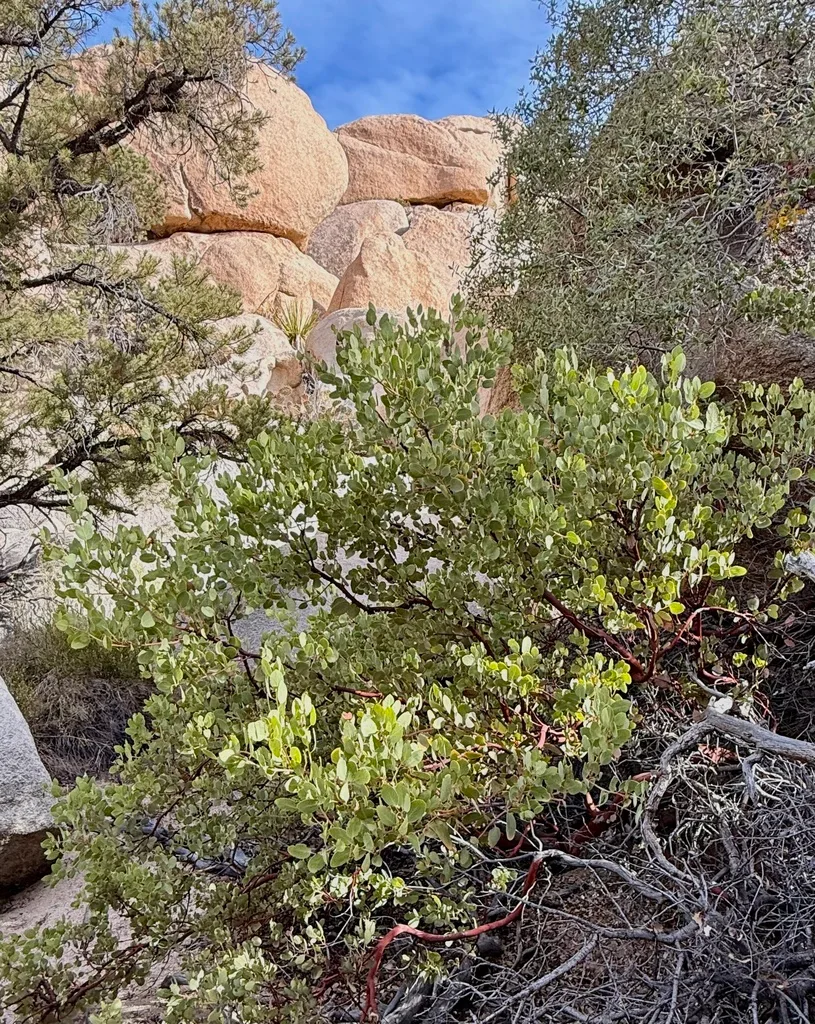
Image source: iNaturalist / Irene
Blueberries in particular are a good candidate because they're heavy feeders in acidic soil and respond well to organic amendments. A monthly application of weak instant coffee water, mixed at about one teaspoon per quart of water, can complement your regular fertilizing routine. Just don't expect it to replace an actual acidifying fertilizer like ammonium sulfate.
If you're maintaining a lawn with acid-tolerant grass species, the same principle applies in a much more limited way. For warm-season grasses that prefer slightly acidic soil, occasional diluted applications won't hurt, but the effect is minimal compared to proper soil management. You'd get better results focusing on what is the best fertilizer for Bermuda grass and following a real feeding schedule.
The Nitrogen and Trace Mineral Angle
The nitrogen in instant coffee is real, but it's locked in organic form. Soil bacteria need time to mineralize it into the nitrate and ammonium forms that plant roots can absorb. That means instant coffee acts as a very slow-release nitrogen source, more like a compost additive than a liquid fertilizer.
If you're adding small amounts to an active compost pile, instant coffee contributes nitrogen that helps balance out carbon-rich materials like dried leaves or cardboard. That's probably the single best use case for it in a garden context. Let the composting process break down the caffeine and tannins first, then apply the finished compost to your beds.
Caffeine as a Mild Pest Deterrent
There's some evidence that caffeine can deter slugs, snails, and certain soil-dwelling insects. The mechanism is neurotoxic, the same reason caffeine keeps you alert. At low concentrations in soil, it may create an environment that some pests find inhospitable.
This effect is modest and inconsistent. You're not going to replace slug bait with instant coffee water. But as one small part of an integrated pest management approach, it's not nothing.
Just keep the concentration low, around one teaspoon per quart of water, and apply it to the soil surface rather than the foliage.
When Instant Coffee Hurts More Than It Helps
Now for the flip side, because this is where most people get into trouble.
Caffeine Toxicity and Root Damage
Caffeine at concentrations above about 0.1% in soil solution has been shown in peer-reviewed studies to inhibit root elongation and reduce overall plant biomass. That threshold is easier to cross than you'd think. Dissolving two tablespoons of instant coffee in a liter of water and pouring it on a small pot can easily exceed that concentration.
The damage shows up as stunted growth, yellowing leaves, and poor water uptake. If your plant suddenly looks worse after a coffee treatment, caffeine toxicity is the likely culprit. Flush the soil with plain water and don't repeat the application.
Soil pH Dropping Too Low
If your soil is already acidic, adding more acidity pushes it into territory where many plants can't access nutrients effectively. Iron, manganese, and aluminum become more available as pH drops, and at extreme levels those elements become toxic. Calcium, magnesium, and phosphorus become less available, creating deficiency symptoms even if those nutrients are physically present in the soil.
Test your pH before you start adding anything acidic. A simple probe meter or a kit from your local extension office will tell you where you stand. If your soil is already below pH 6.0, skip the instant coffee entirely.
The Additive Problem in Commercial Instant Coffee
Not all instant coffee is created equal. Budget brands in particular may contain silicon dioxide (an anti-caking agent), maltodextrin, or other processing aids. These compounds don't break down in soil the way organic matter does.
Over time, repeated applications can lead to a buildup of residues that alter soil structure and microbial balance.
If you're going to use instant coffee on plants, stick to pure instant coffee with no added ingredients. Check the label. If the ingredient list includes anything besides "100% coffee," put it in the compost bin instead of on your plants.
Seedlings and Young Plants Are Most at Risk
Germinating seeds and newly established seedlings are far more sensitive to caffeine and pH shifts than mature plants. Their root systems are small, their cell division rates are high, and they haven't built up the buffering capacity that older plants develop.
Never apply instant coffee solution to seed-starting mix or to transplants that are still establishing. Wait until a plant has been in its container or bed for at least a month and is showing active new growth before even considering a diluted application.
How to Use Instant Coffee on Plants (If You're Going to Try It)
If you've read this far and still want to experiment, there's a right way to do it and several wrong ways. The margin for error is smaller than most gardening blogs suggest.
The Safe Dilution Method
Start with one level teaspoon of pure instant coffee dissolved in one quart (one liter) of room-temperature water. Stir until fully dissolved. Let it cool completely if you've used hot water to speed up the mix.
Apply it to the soil around the base of the plant, not on the leaves or stem.
This ratio gives you a mild solution that's unlikely to cause caffeine toxicity in established plants. It's roughly equivalent to a very weak brewed coffee, and most mature houseplants and garden plants can handle it without issue.
Water the plant with plain water first. Applying any liquid amendment to dry soil can cause uneven distribution and localized concentration spikes. Pre-moistened soil absorbs the solution more evenly.
Composting First, Applying Second
The safest route is to skip direct application entirely and add your instant coffee to the compost pile instead. There, the caffeine breaks down over weeks alongside other organic matter. The finished compost delivers the nitrogen and trace minerals without the caffeine risk.
Mix instant coffee into your compost at no more than 5% of the total volume. Too much can slow decomposition by suppressing the bacteria doing the work. Layer it between carbon-rich materials like shredded paper or dry leaves to keep the balance right.
After two to three months in an active compost bin, the caffeine content drops to negligible levels. That finished compost can go on any plant without concern.
How Often Is Too Often
Once a month is the maximum frequency for diluted instant coffee applications. More than that and you're accumulating caffeine, tannins, and salts faster than soil biology can process them. For acid-loving plants, even once every six weeks is plenty.
Watch your plant's response. If new growth looks healthy and the leaves are a strong color, the occasional application isn't hurting. If you see yellowing, leaf curl, or stalled growth, stop immediately and flush the soil with several rounds of plain water.
Container plants are at higher risk than in-ground plantings because there's less soil volume to buffer the effects. If you're growing in pots, cut the frequency to once every six to eight weeks and watch for white mineral crust on the soil surface, a sign of salt buildup.
Instant Coffee vs. Used Coffee Grounds: The Real Comparison
This is the comparison that clears up most of the confusion. These two products are not interchangeable, and understanding why will save you a lot of trouble.
| Factor | Instant Coffee | Used Coffee Grounds |
|---|---|---|
| Caffeine content | High (30-90 mg per tsp) | Low (most extracted during brewing) |
| Form | Dissolved in water | Solid, applied as mulch or mixed into soil |
| Nitrogen availability | Slow-release, must be mineralized | Slow-release, breaks down over months |
| pH when applied | Mildly acidic (5.0-6.0 in solution) | Slightly acidic (6.0-6.8) |
| Additives | May contain anti-caking agents, stabilizers | None (pure organic matter) |
| Best use | Diluted liquid for acid-lovers, compost additive | Soil amendment, mulch, compost ingredient |
| Risk to seedlings | High | Low to moderate |
| Mold risk | Low (dissolved) | Moderate (solid organic matter on soil surface) |
Used coffee grounds win in almost every category for direct garden use. They're a proven organic amendment that improves soil structure, feeds earthworms, and adds slow-release nitrogen. University extension services from Oregon State to Florida IFAS recommend them specifically for these reasons.
Instant coffee is the compromise option for people who don't brew traditional coffee and don't have access to grounds. It works in a pinch, but it requires more caution and delivers less consistent results.
If you have a choice between the two, always go with used grounds. If instant is all you've got, compost it first or dilute it heavily.
Better Alternatives for Kitchen-Waste Plant Food
Honestly, there are more effective things in your kitchen that your plants will thank you for.
Banana peels are rich in potassium and can be chopped and buried near flowering plants or soaked in water for a mild liquid feed. They break down faster than coffee and don't carry the caffeine risk.
Crushed eggshells add calcium to soil, which helps prevent blossom end rot in tomatoes and peppers. Rinse them, let them dry, and crush them into small pieces before working them into the top layer of soil.
Cooking water from boiling vegetables or eggs contains leached minerals and is a free, mild liquid fertilizer. Let it cool completely before applying. Just make sure it's unsalted.
Molasses diluted in water feeds beneficial soil microbes and gives plants a small boost of sugars and trace minerals. One tablespoon per gallon is the standard ratio.
All of these are lower-risk than instant coffee and deliver more predictable results. If your goal is to reduce kitchen waste while feeding your plants, these are the better starting points.
Common Mistakes Gardeners Make with Coffee and Plants
The internet is full of well-meaning but poorly tested advice on this topic. Here are the errors that show up most often.
Pouring leftover coffee directly from your mug onto plants. That cup may contain sugar, cream, artificial sweeteners, or flavoring. Sugar promotes mold and bacterial growth on soil surfaces. Dairy products sour and create odor problems.
Even black brewed coffee is stronger than the diluted solution recommended here.
Applying instant coffee dry to soil. Sprinkling granules on the surface and watering them in creates hotspots of concentrated caffeine where the granules land. Always dissolve first.
Using it on every plant in the garden. Not every plant wants acidity or caffeine. Herbs like lavender, rosemary, and sage prefer alkaline soil and will suffer from repeated acidic applications. Most vegetables do best in neutral soil and don't benefit from coffee amendments at all.
Confusing correlation with causation. If your plant looks healthy after you start using instant coffee water, the credit probably goes to your regular watering and fertilizing routine, not the coffee. Controlled studies on caffeine's effects on plant growth are mostly negative or neutral, not positive.
Ignoring soil testing. You can't manage what you don't measure. A basic pH test costs a few dollars and tells you whether your soil can handle any acidic amendment at all. Skip this step and you're guessing.
What the Research Actually Says
Peer-reviewed research on caffeine in soil paints a more cautious picture than most gardening content suggests. Studies published in journals like the Journal of Chemical Ecology and Soil Biology and Biochemistry have documented caffeine's allelopathic effects across multiple plant species. The compound inhibits cell division in root tips, reduces seed germination rates, and can shift soil microbial communities in ways that aren't always beneficial.
A 2016 study from the University of Hohenheim found that caffeine concentrations as low as 0.05% in soil solution reduced root growth in lettuce and radish seedlings by 30-40%. That's well within the range you'd get from a moderately strong instant coffee application.
On the other hand, research from the University of Florida IFAS has shown that composted coffee grounds, with caffeine largely degraded, improve soil water retention and provide slow-release nitrogen without the negative effects. The key variable is whether the caffeine has been broken down before it reaches plant roots.
The Royal Horticultural Society's position as of 2026 is that used coffee grounds are a useful garden amendment in moderation, but they don't specifically endorse instant coffee for plant care. Their guidance emphasizes composting as the preferred method for recycling any coffee product in the garden.
The scientific consensus is clear: caffeine in raw form is a plant growth inhibitor, not a growth promoter. The small nitrogen benefit from instant coffee doesn't outweigh the caffeine risk for most species. Composting neutralizes that risk, which is why extension services consistently recommend it as the first option.
The Bottom Line: Should You Use Instant Coffee on Your Plants?
For most gardeners, the answer is no, or at least not directly. The risks outweigh the benefits for the majority of common houseplants, vegetables, and lawn grasses. If you're growing acid-loving species like blueberries or azaleas, a heavily diluted solution applied once a month can complement your regular fertilizing.
For everything else, you're better off composting the instant coffee or choosing a different kitchen-waste amendment.
The decision comes down to three questions. What plant are you treating? How established is it?
And what's your soil pH right now? If you can't answer all three confidently, hold off and test first.
Frequently Asked Questions
Can I pour leftover instant coffee directly on my plants?
No. Undiluted or strongly concentrated instant coffee delivers too much caffeine and can damage roots and soil biology. Always dilute to one teaspoon per quart of water, and only apply to established acid-loving plants.
Is instant coffee the same as coffee grounds for gardening?
No. Used coffee grounds have most of their caffeine removed during brewing and are a proven soil amendment. Instant coffee retains high caffeine levels and may contain additives that grounds don't have.
Will instant coffee kill my plants?
At full strength or frequent application, it can. Caffeine inhibits root growth and seed germination. At a proper dilution, applied sparingly to tolerant species, it's unlikely to cause serious harm.
What plants benefit most from instant coffee?
Acid-loving plants like blueberries, azaleas, rhododendrons, camellias, and hydrangeas are the best candidates. They can use the mild acidity and tolerate the low-level caffeine exposure better than most species.
Can I add instant coffee to my compost bin?
Yes, this is one of the best uses. Add it in moderation, no more than 5% of total compost volume. The composting process breaks down caffeine and tannins, and the finished product is safe for any plant.
How do I know if I've over-applied instant coffee to my soil?
Watch for yellowing leaves, stunted new growth, or a white crust on the soil surface. These signal caffeine toxicity or salt buildup. Flush the soil with plain water and stop all coffee applications.