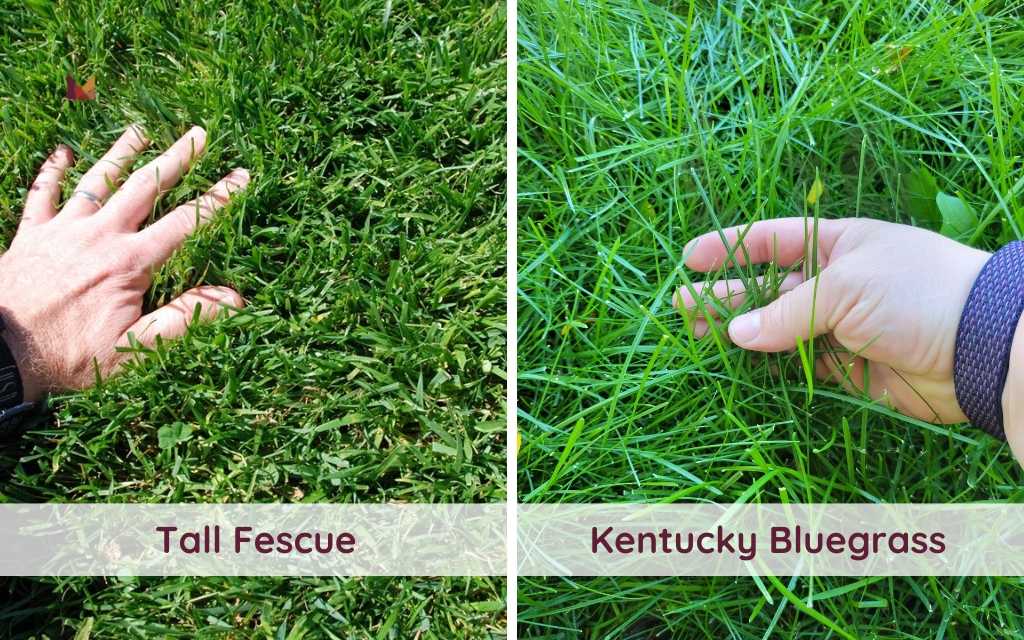
Fescue is often better for those seeking drought tolerance and low maintenance, while Kentucky bluegrass offers a lush, dense lawn ideal for aesthetics and cooler climates. Both have their strengths, but choosing the right grass depends on your yard’s conditions and your lawn goals.
In short, fescue is more resilient and suited for dry, shaded areas with less upkeep, whereas Kentucky bluegrass provides a velvety, vibrant surface perfect for open, sunny spaces but requires more water and care.
If you’re trying to decide between fescue and Kentucky bluegrass, consider your climate, watering habits, and how much time you’re willing to invest in lawn care. Each grass type has unique benefits, so understanding your specific needs will help you make the best choice for a beautiful, healthy yard.

Is Fescue or Kentucky Bluegrass Better? A Detailed Comparison
Introduction to Fescue and Kentucky Bluegrass
Fescue and Kentucky bluegrass are two popular types of grass used in lawns and landscaping. Each has unique qualities that make it suitable for different environments and preferences. Knowing their differences helps homeowners choose the best grass for their needs.
Understanding Fescue
Fescue is a cool-season grass that grows well in temperate climates. It is known for its tolerance to shade and drought, making it a versatile choice for many lawns. There are several types of fescue, including tall, fine, and creeping varieties, each with specific features.
Characteristics of Fescue
Fescue has fine-textured leaves and a deep green color that adds a lush look to lawns. It tolerates less frequent watering and can handle cooler weather comfortably. Its root system is deep, which helps it survive dry spells.
Pros of Fescue
- Excellent shade tolerance
- Good drought resistance
- Relatively low maintenance
These qualities make fescue ideal for shaded yards or areas where watering is limited.
Cons of Fescue
- Less tolerant of heat
- May turn brown during hot, dry summers
- Requires regular mowing to keep its appearance
Fescue may not be suitable for very hot climates or areas with high foot traffic.
Understanding Kentucky Bluegrass
Kentucky bluegrass is also a cool-season grass that thrives in temperate regions. It is famous for its rich color, dense growth, and ability to repair itself quickly when damaged. This grass type is often chosen for its aesthetic appeal.
Characteristics of Kentucky Bluegrass
Kentucky bluegrass has a fine texture and a deep blue-green hue, creating a beautiful, uniform lawn. It forms a dense mat that helps prevent weeds. Its growth pattern fills in damaged areas rapidly, making it excellent for high-traffic lawns.
Pros of Kentucky Bluegrass
- Beautiful, dense appearance
- Self-repairing ability
- Excellent for high-traffic areas
These benefits appeal to homeowners wanting a lush, resilient lawn.
Cons of Kentucky Bluegrass
- Requires significant watering and fertilization
- Not very tolerant of shade
- More susceptible to drought and heat stress
Kentucky bluegrass may demand more maintenance to stay healthy, especially in hot or shady environments.
Climate Adaptability and Growth Conditions
Choosing between fescue and Kentucky bluegrass depends heavily on your local climate and soil conditions. Fescue performs well in cooler, shaded, or dry areas, while Kentucky bluegrass favors full sun and moderate moisture.
Temperature Tolerance
Fescue thrives in regions with cooler temperatures and can tolerate light frosts. Kentucky bluegrass also prefers cooler seasons but can struggle in hot, humid summers. Both grasses perform poorly in extreme heat unless properly managed.
Soil Requirements
Both grasses prefer well-drained soils with balanced pH levels. Fescue can adapt to poorer soils better than Kentucky bluegrass. However, Kentucky bluegrass grows best in loamy, fertile soils with good drainage.
Sunlight Needs
Kentucky bluegrass grows best in full sun but can tolerate some shade. Fescue is more shade-tolerant, making it suitable for areas with limited sunlight.
Maintenance and Care
Understanding maintenance needs helps decide which grass to choose. Fescue generally requires less watering and fertilizing, while Kentucky bluegrass needs consistent care for optimal growth.
Watering Requirements
Fescue needs less frequent watering due to its drought tolerance. Kentucky bluegrass requires regular watering, especially during dry spells, to maintain its lush appearance.
Fertilization
Kentucky bluegrass benefits from quarterly fertilization with nitrogen-rich fertilizers. Fescue requires less fertilization but still benefits from occasional feeding.
Mowing and Aeration
Both grasses should be mowed at appropriate heights—fescue at 2.5 to 3 inches and Kentucky bluegrass at 2 to 2.5 inches. Regular aeration promotes healthy root growth and reduces soil compaction.
Overall Durability and Wear Tolerance
If your lawn experiences heavy foot traffic, Kentucky bluegrass often performs better due to its dense, resilient nature. Fescue may wear out faster under constant pressure, although some tall fescue varieties are more durable.
Resilience to Foot Traffic
Kentucky bluegrass quickly recovers from damage and maintains a lush appearance under frequent use. Fescue, especially fine fescues, may require reseeding or repair after heavy use.
Resistance to Pests and Diseases
Kentucky bluegrass is susceptible to certain pests like chinch bugs and diseases such as dollar spot. Fescue tends to be more resistant but can develop fungal issues if not properly maintained.
Cost and Availability
Initial seed or sod costs vary between the two grasses, with Kentucky bluegrass often being more expensive due to its high demand. Both are widely available through lawn and garden centers.
Seed and Sod Pricing
Fescue seed can be less expensive and easier to establish in shady or dry areas. Kentucky bluegrass seed tends to be pricier but offers rapid, dense coverage.
Installation Tips
Both grasses can be established through seeding or sod. Proper soil preparation, watering, and maintenance are vital for successful growth.
Environmental Impact and Sustainability
Both grasses have different environmental impacts based on their water and nutrient needs. Fescue is more sustainable in low-water areas, while Kentucky bluegrass requires more inputs.
Water Consumption
Fescue’s drought tolerance makes it a greener choice for water conservation. Kentucky bluegrass’s high water needs increase its environmental footprint in dry regions.
Use of Fertilizers and Chemicals
Kentucky bluegrass often demands more chemical fertilizers, which can impact the environment. Fescue generally needs fewer chemicals, making it an eco-friendlier pick.
Final Considerations for Choosing Between Fescue and Kentucky Bluegrass
Deciding which grass is better depends on your specific yard conditions, desired look, and maintenance willingness. Fescue suits shaded, dry, or low-maintenance lawns, while Kentucky bluegrass excels in sunny, high-traffic areas.
Summary of Key Differences
| Feature | Fescue | Kentucky Bluegrass |
|---|---|---|
| Climate Tolerance | Cool, drought-tolerant | Cool, needs water |
| Shade Tolerance | High | Moderate |
| Appearance | Fine-textured, green | Dense, blue-green |
| Maintenance | Low to moderate | Moderate to high |
| Wear Tolerance | Lower, varies by type | High |
Making the Choice
Choosing between fescue and Kentucky bluegrass depends on your climate, yard conditions, and how much effort you’re willing to put into lawn care. Both grasses offer advantages suited to different homeowner needs.
Related Topics
- Best grass types for shade
- Water-efficient landscaping tips
- How to maintain a healthy lawn
- Seeding versus sod: pros and cons
By understanding the unique qualities of each grass, you can select the best option for your lawn’s aesthetic, durability, and environmental sustainability. This choice will help you achieve a healthy, beautiful yard that suits your lifestyle and local climate conditions.
Kentucky Bluegrass vs. Tall Fescue
Frequently Asked Questions
How does drought tolerance compare between fescue and Kentucky bluegrass?
Fescue tends to perform better during drought conditions because of its deeper root system and adaptability to dry spells. Kentucky bluegrass generally requires more frequent watering to stay green, especially in hotter climates. If you live in an area with water restrictions or limited rainfall, fescue might be the better choice for maintaining a healthy lawn.
Which grass type is better suited for shady areas?
Fescue is more tolerant of shade than Kentucky bluegrass. It can thrive in areas with limited sunlight without losing its density or color. Kentucky bluegrass prefers full sun and may become thin or patchy if grown extensively in shaded zones, making fescue more suitable for shaded spots in your yard.
What maintenance differences should I consider between fescue and Kentucky bluegrass?
Fescue generally requires less frequent mowing and fertilization, making it easier to maintain, especially for homeowners with a busy schedule. Kentucky bluegrass needs regular watering, fertilization, and frequent mowing to maintain its lush appearance. Consider your availability and willingness to perform lawn care tasks when choosing between the two grasses.
How well does each grass recover from damage or wear?
Kentucky bluegrass recovers quickly from damage due to its vigorous spreading through rhizomes, making it suitable for high-traffic areas. Fescue also recovers well but may take longer, especially in compacted or heavily used zones. Think about your lawn’s usage to decide which grass best fits your needs for resilience.
Which grass type offers better disease resistance?
Fescue generally exhibits higher resistance to common lawn diseases like fungal infections, especially in cooler or wetter conditions. Kentucky bluegrass can be susceptible to certain diseases in humid environments but remains resilient in well-maintained lawns with proper watering and fertilization. Evaluating your local climate can help determine the best option for disease resistance.
Final Thoughts
Fescue and Kentucky bluegrass each offer unique advantages for lawns. Fescue thrives in shady areas and requires less watering, making it ideal for irregular watering schedules. Kentucky bluegrass is known for its lush appearance and durability on high-traffic lawns.
Choosing between the two depends on climate, soil, and personal preferences. Both grasses can create beautiful lawns with proper care.
In conclusion, is fescue or kentucky bluegrass better? It ultimately depends on your specific needs, but both are excellent choices for a healthy, attractive lawn.