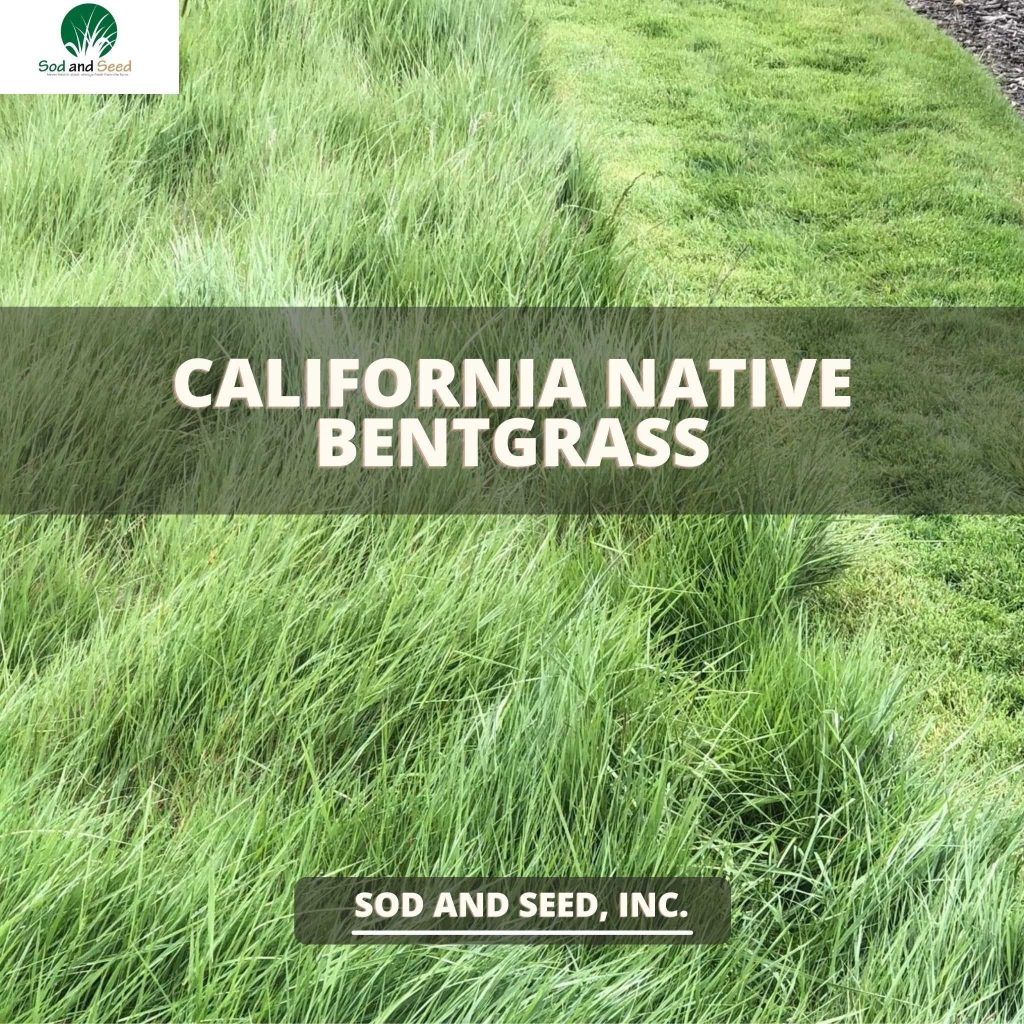
Yes, bentgrass is fairly drought tolerant, but its resilience depends on the specific type and growing conditions. If you’re worried about maintaining a lush lawn during dry spells, bentgrass can be a good option, especially with proper care and watering habits.
In short, bentgrass can withstand some dry periods, but it generally prefers consistent moisture for optimal growth. While it’s not as drought-proof as some other grasses, selecting the right type and managing watering effectively can help keep it healthy even during limited rainfall.
Bentgrass is a popular choice for golf courses and lawns due to its fine texture and dense growth, but many wonder if it can handle drought conditions. If you’re considering planting bentgrass or already have it in your yard, understanding its drought tolerance is crucial for proper lawn management. Like many cool-season grasses, bentgrass performs best with regular watering, yet certain varieties have been bred to handle drier environments better than others. Knowing how to care for it during dry spells can help maintain its lush appearance, making it a versatile option for landscapes seeking a balance between beauty and resilience.

Is Bentgrass Drought Tolerant? Exploring Its Resilience to Dry Conditions
Understanding Bentgrass and Its Popularity
Bentgrass is a type of turfgrass known for its fine texture and smooth appearance. Many golf courses and lawns use bentgrass because it creates a lush, green surface that looks attractive year-round. Its ability to recover quickly from damage makes it a favorite for high-maintenance sports fields.
Is Bentgrass Drought Tolerant?
The main question many homeowners and landscapers have is whether bentgrass can handle dry conditions. Generally, bentgrass is not considered highly drought tolerant. It requires consistent watering to stay healthy and vibrant, especially during the hot and dry summer months.
How Does Bentgrass Respond to Drought?
When water is scarce, bentgrass tends to show signs of stress quickly. You might notice yellowing or browning patches on the turf. If drought conditions persist, the grass can become thin, more prone to disease, or even die in extreme cases.
Reasons Why Bentgrass Is Not Very Drought Tolerant
The main factors include its shallow root system and high water requirement. Bentgrass roots typically extend only a few inches into the soil. This shallow root system makes it harder for the grass to access deep moisture during droughts.
Factors Influencing Bentgrass Drought Tolerance
Though generally sensitive to dry conditions, some types of bentgrass are slightly more resilient. The drought tolerance of bentgrass depends on several factors, including soil type, maintenance practices, and climate.
Soil Type and Drainage
Well-draining soil helps prevent water runoff and encourages roots to spread deeper. Sandy soils tend to dry out faster, making drought stress more likely for bentgrass growing in such conditions. Clay soils retain water longer but can lead to other issues like compaction.
Maintenance Practices and Watering
Proper watering is essential for bentgrass health. Deep and infrequent watering encourages roots to grow downward, which can improve drought resistance. Overwatering or frequent shallow watering weakens the root system, making drought stress worse.
Climate Considerations
Hot, dry climates challenge bentgrass more than cooler, moist environments. In areas with frequent droughts or high temperatures, maintaining bentgrass becomes more difficult unless additional measures are taken.
Strategies to Improve Drought Tolerance in Bentgrass
While bentgrass isn’t naturally very drought tolerant, there are ways to help it withstand dry periods better. These strategies include proper watering techniques, soil management, and selecting the right variety.
Proper Watering Techniques
Water deeply but infrequently to encourage deep root growth. Early morning watering prevents evaporation and allows the grass to recover faster. Using a rain gauge helps monitor and adjust watering schedules effectively.
Soil Amendments and Aeration
Adding organic matter improves water retention in sandy soils. Aeration reduces soil compaction, promoting healthier root growth and better water absorption.
Choosing Drought-Resistant Varieties
Some bentgrass cultivars are bred for slightly better drought tolerance. These varieties often have deeper root systems or more efficient water use, making them more suitable for areas prone to dry conditions.
Comparing Bentgrass to Other Drought-Tolerant Turfgrasses
If drought resistance is a major concern, homeowners might consider alternative turfgrasses. Here’s a quick comparison of some common options:
| Grass Type | Water Needs | Drought Tolerance | Best Uses |
|---|---|---|---|
| Bentgrass | High | Low | Golf courses, fine lawns |
| Bermudagrass | Moderate | High | Warm climates, lawns, sports fields |
| Zoysiagrass | Low to Moderate | High | Drought-prone areas, low-maintenance lawns |
| Buffalograss | Low | Very High | Arid regions, natural landscapes |
Summary of Drought Management for Bentgrass
Maintaining bentgrass during dry spells requires diligent care. Regular monitoring, adjusting watering schedules, and soil health programs can help extend its viability in drought-prone areas. Be prepared to overseed or replace patches if drought conditions persist.
Concluding Thoughts
While bentgrass is not naturally tolerant to drought, proper care and management can help it survive short dry periods. If drought resistance is a primary concern, exploring alternative grasses or hybrid varieties may be better. Always consider your local climate, soil type, and maintenance resources when choosing turfgrass options.
Drought Tolerant Lawn – Native California Bentgrass – Video Update
Frequently Asked Questions
How does bentgrass handle periods of drought stress?
Bentgrass can tolerate short periods of drought, but extended drought conditions can cause it to become dormant or decline in health. During drought stress, it naturally conserves water by reducing growth and leaf activity. Proper irrigation helps mitigate stress and maintains turf quality.
What watering practices can improve bentgrass drought resilience?
Applying deep, infrequent watering encourages deep root growth, helping bentgrass access moisture during dry periods. It’s best to water early in the morning and avoid overwatering, which can lead to shallow roots and increased vulnerability to drought stress.
Can soil conditions influence bentgrass’s drought tolerance?
Yes, soil with good drainage and adequate organic matter enhances water retention and root development. Maintaining optimal soil health through aeration and proper fertilization supports the turf’s ability to withstand drought conditions more effectively.
Are there specific bentgrass varieties better suited for drought-prone areas?
Some bentgrass varieties, like colonial bentgrass, demonstrate greater drought tolerance due to their adaptability and growth habits. Selecting these varieties for areas prone to dry spells can improve lawn resilience during periods of water scarcity.
Final Thoughts
Bentgrass is known for its fine texture and lush appearance. However, it generally prefers consistent moisture and can struggle during drought conditions. Proper watering and maintenance help improve its drought resilience.
While bentgrass isn’t highly drought tolerant, selecting drought-resistant varieties and adjusting irrigation practices can mitigate stress.
In summary, is bentgrass drought tolerant? Not entirely, but with careful management, it can survive in areas with moderate drought.