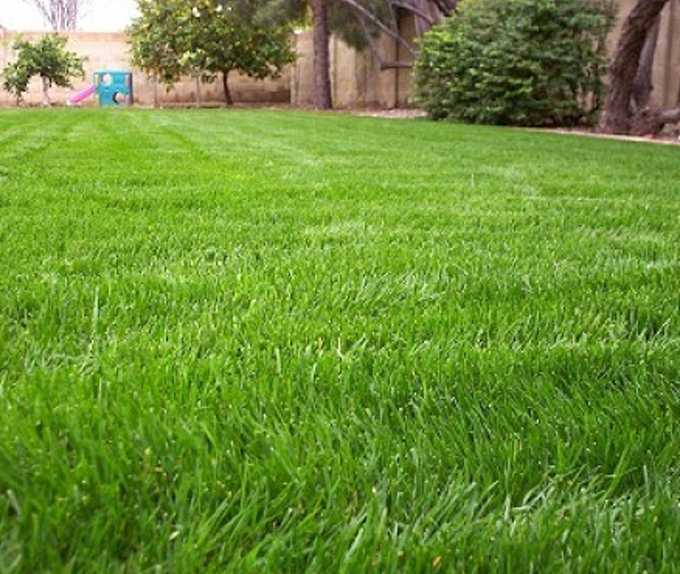
Yes, annual ryegrass can be a great addition to your lawn, especially if you’re looking for quick green coverage and erosion control. It’s an easy-to-establish grass that thrives in cool weather and can give your yard a lush look in no time. However, it’s typically used as a temporary solution rather than a permanent lawn grass.
In short, annual ryegrass is excellent for quick greening and filling in bare patches, but it may not be suitable as a long-term turf option because it tends to die out in warmer months. Whether it’s good for lawns depends on your specific goals and the climate in your area.
If you’re considering planting annual ryegrass, it’s important to know that it germinates rapidly and is inexpensive. It’s often used for overseeding cool-season grasses or for erosion control on slopes. Although it’s not a permanent lawn grass, its fast growth makes it perfect for short-term green coverage or during transition periods. Understanding its benefits and limitations will help you decide if this grass is the right fit for your lawn needs.

Is Annual Ryegrass Good for Lawns?
Annual ryegrass is a popular choice for many homeowners looking to improve their lawns. Its quick germination and vibrant green color make it an attractive option. However, understanding whether it is truly beneficial for your lawn depends on various factors.
What is Annual Ryegrass?
Annual ryegrass, also known as Lolium multiflorum, is a fast-growing grass that completes its life cycle within one year. It is often used as a temporary cover crop or to improve soil stability. This grass is known for its fine texture and bright green hue.
Benefits of Using Annual Ryegrass on Lawns
Fast Germination and Growth
One of the biggest advantages of annual ryegrass is how quickly it germinates. Seeds can sprout within just a few days after planting. This rapid growth helps to establish a lush green cover in a short time, making it ideal for quickly repairing damaged lawn areas.
Improves Soil Quality
Annual ryegrass has deep roots that help to break up compacted soil. Its roots also add organic matter to the soil, which can improve nutrient retention and drainage. These qualities make it a good choice for soil improvement, especially in degraded lawns.
Weed Suppression
Because it establishes itself so rapidly, annual ryegrass can help suppress weeds by out-competing them for space, sunlight, and nutrients. This makes it a natural weed control method without the need for chemicals.
Cold Tolerance
This grass is known to tolerate cooler temperatures, making it suitable for lawns in regions with mild winters. It remains green and healthy during a wide range of weather conditions, extending the growing season.
Limitations of Annual Ryegrass
Temporary Nature
Since annual ryegrass completes its life cycle within a year, it will die off after a season. This means it is not suitable as a permanent lawn grass but rather as a temporary solution or overseeding option.
Invasive Tendencies
In some regions, annual ryegrass can spread aggressively, competing with native grasses and other desirable lawn species. Proper management and timing are necessary to prevent it from becoming a nuisance.
Maintenance Needs
While it grows quickly, annual ryegrass may require regular watering and fertilization to maintain its lush appearance. It is also susceptible to pests and diseases, which can reduce its effectiveness.
Compatibility with Existing Lawns
If you already have a different type of grass on your lawn, planting annual ryegrass could lead to uneven growth or difficulty in maintenance. It is best used as a temporary cover or overseed in specific areas.
How to Grow Annual Ryegrass for Your Lawn
Best Time to Plant
The ideal time to plant annual ryegrass is in the fall or early spring. This timing allows the grass to establish before extreme weather conditions set in. It germinates best with soil temperatures between 50°F and 75°F.
Soil Preparation
Preparing the soil properly includes removing debris and loosening compacted areas. A soil test can help determine if additional nutrients or amendments are required for optimal growth.
Seeding Tips
- Use high-quality seed for better germination rates.
- Spread seed evenly across the area, avoiding overly thick coverage.
- Lightly rake the soil to press seeds into the surface.
- Water gently but thoroughly after planting to promote germination.
Maintenance Practices
Regular watering is critical, especially during dry periods. Mowing should be done at a height of 1.5 to 2 inches to keep the lawn healthy. Fertilizing with a balanced fertilizer supports vigorous growth.
Comparing Annual Ryegrass to Other Lawn Grasses
Perennial Ryegrass vs. Annual Ryegrass
Perennial ryegrass lasts multiple years and forms a dense, durable lawn. It is more suitable for permanent lawns. Annual ryegrass, however, is better for quick coverage but will die back after the season.
Bermuda Grass and Zoysia
Warm-season grasses like Bermuda or Zoysia provide permanent, drought-tolerant lawns but require more maintenance. Annual ryegrass can be used temporarily until these grasses establish or to overseed during winter in warm regions.
Fescue and Bluegrass
Cool-season grasses such as Fescue and Kentucky bluegrass are more suited for cooler climates and provide year-round ground cover. Annual ryegrass can complement these grasses during the cooler parts of the year.
Related Topics to Consider
Seeding and Overseeding Tips
Overseeding with annual ryegrass can improve lawn appearance quickly and help fill in bare spots. It is especially effective in overseeding cool-season grasses in the fall.
Lawn Maintenance for Best Results
Proper watering, mowing, and fertilizing routines are essential to keep your ryegrass lawn healthy. Regular aeration can also improve soil health and promote even growth.
Environmental Impact and Considerations
Annual ryegrass can be eco-friendly when managed properly, as it reduces the need for chemical weed control. However, avoid overplanting to prevent invasive spread and protect native ecosystems.
Alternatives to Annual Ryegrass
If you prefer a permanent grass option, consider Kentucky bluegrass, tall fescue, or Bermuda grass. These grasses offer longevity and require less replanting each year.
Annual ryegrass offers numerous benefits for quick lawn repair, soil improvement, and weed suppression. Its rapid growth makes it a practical choice for temporary cover, overseeding, or soil health enhancement. However, understanding its limitations and proper management is essential to maximize its advantages and prevent potential issues. With careful planning, annual ryegrass can be a valuable tool in maintaining a lush and healthy lawn during specific times of the year.
Perennial Ryegrass Pros and Cons
Frequently Asked Questions
How does annual ryegrass perform in different climate conditions?
Annual ryegrass adapts well to a variety of climate conditions, especially in cooler seasons. It thrives in areas with moderate rainfall and temperatures, providing quick germination and establishment. However, it may struggle in extremely hot or drought-prone regions, where it can become dormant or require additional watering. Proper selection based on your local climate ensures optimal growth and lawn appearance.
Can annual ryegrass help in controlling soil erosion on lawns?
Yes, annual ryegrass establishes quickly and forms a dense mat that helps hold soil in place. Its rapid growth pattern makes it an effective cover crop to prevent soil erosion, especially on slopes or disturbed areas. Regular mowing maintains its density and prevents it from becoming invasive beyond the desired lawn area.
Is it suitable to mix annual ryegrass with other grass species for a lawn?
Integrating annual ryegrass into a mix with cool-season grasses like Kentucky bluegrass or tall fescue can enhance the lawn’s overall density and resilience. It fills in gaps quickly, providing a lush appearance while other grasses establish. Keep in mind that annual ryegrass will need consistent maintenance, and it typically requires reseeding each year for best results.
How does annual ryegrass impact lawn maintenance and care?
Annual ryegrass requires frequent mowing to keep it tidy and prevent it from becoming invasive. It also needs regular watering to promote healthy growth, especially during dry spells. Fertilizing with a nitrogen-rich fertilizer supports its rapid growth, but you should monitor for pests and diseases that can affect its health. Proper care ensures it complements your existing lawn effectively.
Final Thoughts
Annual ryegrass offers quick germination and dense coverage, making it a popular choice for lawns that need rapid improvement. It tolerates various soil conditions and recovers quickly from damage. However, it is mostly used for temporary ground cover rather than long-term lawn solutions.
In conclusion, annual ryegrass is good for lawns when quick establishment and color are priorities. Its benefits outweigh its temporary nature. Therefore, is annual ryegrass good for lawns? Yes, it provides an excellent short-term solution for lush, green coverage.