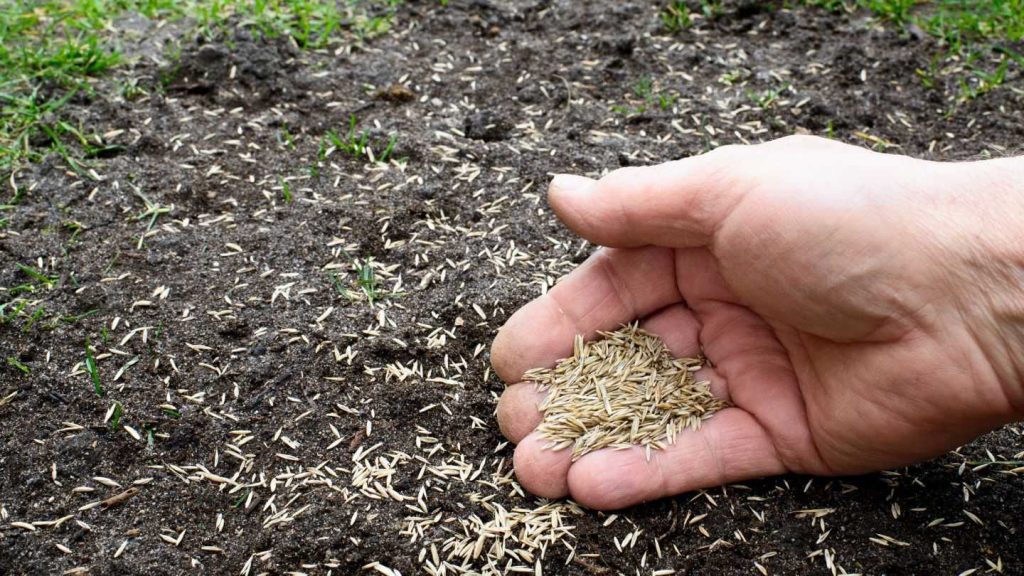
To give new grass seed the best start, water it gently and consistently to keep the soil moist without washing away the seeds. Use light, frequent watering sessions to ensure the seeds don’t dry out or become waterlogged, promoting healthy germination and root development.
In short, the key to watering new grass seed properly is to keep the soil consistently moist with gentle, regular watering. Avoid overwatering or letting the soil dry out, and adjust your watering schedule based on weather conditions to ensure the seeds establish strong roots.
Starting a new lawn is exciting, but proper watering is crucial for success. Immediately after sowing, it’s essential to provide consistent moisture to help the seeds germinate. Watering too deeply or infrequently can hinder growth, while too much water can cause the seeds to rot or wash away. To achieve the best results, lightly water the area multiple times a day for the first couple of weeks, keeping the soil moist but not soaked. As the grass begins to sprout and grow stronger, gradually reduce the frequency but increase the depth of watering to encourage deep root growth. Remember, patience and regular care will reward you with a lush, healthy lawn.

How to water new grass seed properly
Watering new grass seed correctly is essential for the seed to grow into healthy, lush grass. Proper watering helps keep the soil moist, encourages germination, and prevents the seed from drying out. In this guide, you’ll learn the best methods to water your new grass seed to ensure a successful lawn.
Understanding the importance of proper watering
Watering plays a critical role in the germination process of grass seed. Too little water can cause the seed to dry out and fail to sprout. On the other hand, overwatering can wash away the seeds or lead to fungal diseases. Finding the right balance is key to establishing a strong, healthy lawn.
How much water does new grass seed need?
New grass seed requires consistent moisture to break dormancy and sprout. Typically, soil should be kept evenly moist but not soaked. This usually means watering lightly multiple times a day, especially during the first two weeks.
Initial watering amount
Start by applying about 1/4 to 1/2 inch of water per session. This amount ensures the top inch of soil remains moist, which is where the seed will sprout. Use a rain gauge or a small container to measure watering accurately.
Frequency of watering
During the germination phase, most grass seeds need watering twice or three times a day. Early morning, late morning, and late afternoon are good times for watering to maintain consistent moisture. Adjust according to weather conditions and soil type.
Timing is everything
The best time to water new grass seed is early in the morning. Watering in the morning prevents the grass from staying wet overnight, which can cause diseases. Avoid watering during the heat of the day, as this can cause rapid evaporation.
Best times to water
- Early morning (around sunrise) for optimal absorption
- Late afternoon or evening if needed, but avoid excessive wetness overnight
How to water new grass seed
Using the right equipment
A gentle spray or fine mist setting on your garden hose or sprinkler is ideal for new grass seed. It provides a gentle, even water distribution that prevents soil displacement or seed washout. For larger lawns, a sprinkler with adjustable settings can be very helpful.
Applying water evenly
Make sure to cover the entire seeded area evenly. Walk slowly with your sprinkler to avoid dry patches. If using a hose with a spray nozzle, keep the spray light and consistent.
Adjusting for weather conditions
On windy or hot days, you may need to water more frequently or increase the duration. Conversely, on cloudy days, reduce watering to prevent over-saturation. Keep a close eye on soil moisture levels to adapt your watering schedule.
Monitoring soil moisture levels
Checking the soil regularly helps prevent overwatering or underwatering. Stick your finger into the soil about an inch deep; if it feels dry, it’s time to water. Alternatively, use a soil moisture meter for more precise readings.
Signs of overwatering
- Soggy soil
- Wilting or yellowing grass
- Fungal growth
Signs of underwatering
- Dry, crusty soil
- Seedling areas looking wilted or stressed
- Poor germination
Adjusting watering as grass establishes
As the grass begins to sprout and grow stronger, gradually reduce watering frequency but increase the depth of watering. This encourages deeper root growth and a more drought-resistant lawn.
Transitioning from frequent to less frequent watering
- Week 1 to 2: Water two to three times daily with light applications
- Week 3 to 4: Water once daily or every other day, ensuring deep watering
- After four weeks: Water as needed based on weather, typically once or twice a week
Additional tips for successful watering
- Cover seedings lightly after initial watering to protect from wind or birds
- Use mulch or straw to help retain soil moisture and prevent evaporation
- Avoid watering during rainstorms unless flooding occurs
- Keep foot traffic away from seeded areas until grass is established
Common mistakes to avoid when watering new grass seed
Overwatering
Overwatering can lead to seed washout, fungal diseases, and weak root systems. Always ensure the soil drains well and monitor moisture levels regularly.
Underwatering
Failing to keep the soil moist can cause seed dormancy or death. Consistency and regular checks are essential for success.
Watering at the wrong times
Not watering early in the morning or during optimal times can hinder germination and growth. Stick to a schedule that aligns with best practices for lawn care.
Summary of watering schedule for new grass seed
| Week | Frequency | Amount per watering | Notes |
|---|---|---|---|
| Week 1 – 2 | 2-3 times daily | 1/4 to 1/2 inch | Keep soil consistently moist |
| Week 3 – 4 | Once daily or every other day | Deep watering to encourage roots | Reduce frequency gradually |
| Week 5 and beyond | As needed based on weather | Deep but infrequent | Focus on drought tolerance |
Proper watering of new grass seed requires consistent effort and attention to detail. By providing the right amount of moisture at the right times, you help your seed sprout and develop into a healthy, vibrant lawn. Remember to monitor soil moisture levels, adjust your watering schedule based on weather conditions, and avoid common mistakes. With patience and care, you’ll soon enjoy a lush, green yard that’s the envy of the neighborhood.
Frequently Asked Questions
How can I ensure even watering for new grass seed?
To achieve even watering, use a gentle spray or sprinkler that distributes water uniformly across the seed area. Water early in the morning or late in the afternoon to prevent rapid evaporation. Avoid heavy watering that causes runoff; instead, apply light, frequent applications to keep the soil consistently moist. Regularly check the soil moisture level to adjust watering as needed, ensuring all areas receive adequate hydration for optimal germination.
What is the best frequency for watering newly planted grass seeds?
Water new grass seeds two to three times a day, especially during the first couple of weeks, to maintain consistently moist soil. As the seeds germinate and the grass begins to grow, gradually reduce the frequency to once a day. The goal is to keep the topsoil moist without waterlogging it. Adjust watering based on weather conditions, increasing it during hot, dry days and reducing during cooler or rainy periods.
How long should I keep the soil moist after planting grass seeds?
Maintain moist soil until the grass seedlings are well-established, typically for at least two to three weeks. During this period, ensure the soil remains consistently damp but not soaked. Once the grass starts to grow stronger and new blades appear, you can gradually reduce watering frequency. Proper moisture encourages healthy root development and helps prevent the seeds from drying out or washing away.
Final Thoughts
Pour assurer une croissance saine, water new grass seed properly en maintenant le sol humide sans le saturer. Il est essentiel d’arroser plusieurs fois par jour avec de petites quantités, surtout durant les premiers stades de germination. Utilisez un arroseur fin ou un vaporisateur pour éviter de déplacer les graines.
Vérifiez régulièrement l’humidité du sol pour ajuster la fréquence d’arrosage. Après la germination, réduisez graduellement la fréquence tout en augmentant la quantité d’eau. En suivant ces conseils, il sera plus facile de garantir une croissance uniforme.
How to water new grass seed properly consiste à maintenir une humidité constante et contrôlée, créant ainsi des conditions optimales pour la germination. Adaptez votre routine en fonction des conditions météorologiques pour obtenir les meilleurs résultats.