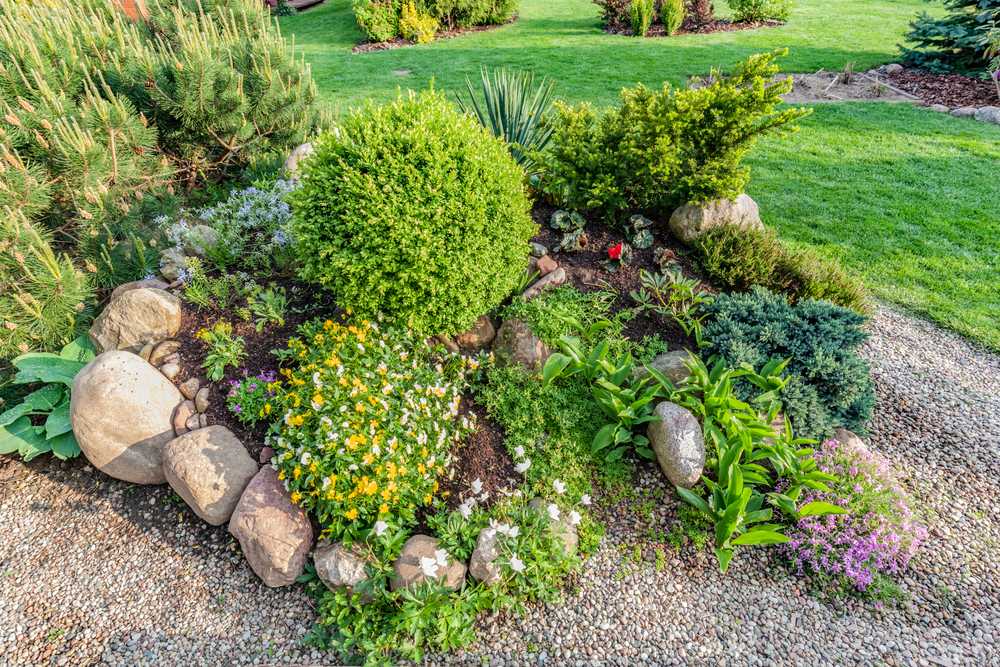
Using rocks in your landscaping can transform your outdoor space into a stunning environment with minimal maintenance. Whether you’re looking to create a decorative pathway, enhance garden beds, or establish a natural rock garden, incorporating rocks can bring a unique aesthetic to your design. They are versatile, durable, and can add texture and depth to your landscape. To get started, think about the type of rocks that best fit your style—boulders, gravel, or river stones—and consider their placement to highlight your garden’s features. Embrace the natural beauty of rocks, and you’ll be well on your way to achieving a picturesque landscape that requires less water and upkeep. Let’s dive into some creative ways to use rocks in your landscaping!

How To Use Rocks In Your Landscaping
Landscaping with rocks can add a unique charm and dimension to your outdoor space. Rocks are versatile and come in various sizes, shapes, and colors. They can complement plants and other landscaping elements beautifully. This article will explore how to use rocks in your landscaping effectively.
Types of Rocks for Landscaping
Choosing the right type of rocks is essential. Each type serves different purposes and adds distinct visual appeal.
River Rocks
River rocks are smooth and rounded stones. They are often used for decorative purposes. You can place them in gardens, around water features, or as accents in flower beds.
Granite Rocks
Granite rocks are robust and come in various colors. They work well for pathways and seating areas. Their durability makes them suitable for high-traffic areas.
Slate
Slate is a flat rock that adds a modern touch. It can be used for patios or walkways. Its unique texture enhances the overall appearance of your landscaping.
Mulch Rocks
Mulch rocks are smaller stones that mimic traditional mulch. They help control weeds while providing a neat look. They’re also great for areas that need good drainage.
Using Rocks for Flower Beds
Rocks can enhance flower beds in numerous ways. They can serve as borders or even as part of the soil.
Creating Borders
Using larger rocks to create borders around flower beds can define spaces. This method keeps soil and plants contained and adds a visual frame.
Soil Addition
Mixing smaller rocks into your soil can improve drainage. This method is especially useful for plants that prefer drier conditions.
Pathways and Walkways
Rocks are excellent for creating pathways. They provide structure and can guide guests through your garden.
Stepping Stones
Using flat stones as stepping stones can create a natural look. Place them at intervals to lead visitors through your yard.
Gravel Paths
For a rustic charm, gravel can fill the gaps between larger rocks. This option is low maintenance and adaptable to different designs.
Rock Gardens
Rock gardens are a beautiful way to showcase both rocks and plants. They can create an inviting, peaceful area in your yard.
Designing a Rock Garden
When designing a rock garden, arrange rocks of different sizes. Use larger stones as focal points, with smaller ones surrounding them.
Choosing Plants
Select plants that thrive in rocky environments. Succulents, alpine plants, and wildflowers are excellent choices for a rock garden.
Water Features
Adding rocks to water features enhances their aesthetic appeal and natural feel.
Creating a Stream
Boulders can be used to outline a stream or pond, mimicking a natural water source. This design adds movement and sound to your garden.
Waterfalls
Rocks can also help create waterfalls. Arrange them to provide flow and structure for the water, making it visually stunning.
Using Rocks for Erosion Control
In areas prone to erosion, rocks serve a pivotal role. They stabilize soil and prevent runoff.
Retaining Walls
Building a rock retaining wall can help hold back soil on slopes. This method is both functional and visually appealing.
Rock Piles
Creating rock piles at the base of slopes can slow water flow. This technique allows plants to establish and thrive.
Decorative Elements
Rocks can add decorative elements to your landscape. Consider these ideas to enhance visual interest.
Garden Art
Use uniquely shaped rocks as standalone art pieces. Painting or engraving designs on them can add a personal touch.
Rock Sculptures
Creating sculptures using various rocks can be a fun project. They can serve as focal points in your landscape.
Maintenance of Rock Landscaping
Maintaining rock landscaping is generally easier than traditional gardens. However, some care is still necessary.
Weed Control
Rocks can attract weeds. Regularly check your landscape for unwanted plants. Hand-pulling weeds or using a weed barrier can be effective.
Cleaning Rocks
Over time, rocks can accumulate dirt and debris. A simple rinse with a hose can refresh their appearance.
Environmental Considerations
Using rocks in landscaping is eco-friendly, as they require less water and maintenance. However, it’s essential to source them responsibly.
Local Sourcing
Whenever possible, choose rocks sourced locally. This practice reduces carbon footprints and supports local businesses.
Recycled Materials
Consider using recycled stones to promote sustainability. Old bricks or concrete can be repurposed creatively.
Combining Rocks with Other Materials
Rocks can work well with various landscaping materials. Mixing elements can create a cohesive design.
Wood
Integrating wood with rocks can add warmth. Create benches or borders using timber alongside stone pathways.
Plants
Pairing rocks with plants can enhance both elements. Choose plants that complement the rock colors and textures.
Incorporating rocks into your landscaping will provide not only a practical solution but also an artistic flair. Experimenting with different sizes and arrangements will yield unique and stunning landscapes. Rocks can bring a sense of permanence and stability while reducing the overall maintenance of your outdoor space. By following these tips, you can create an inviting landscape that reflects your style and enhances your home’s curb appeal.
How to add some rocks to your landscaping
Frequently Asked Questions
What types of rocks are best for landscaping?
When selecting rocks for landscaping, consider using materials such as river rocks, granite, limestone, or basalt. River rocks offer a smooth texture and come in various colors, making them ideal for pathways and water features. Granite provides durability and a striking appearance, often used in decorative borders or retaining walls. Limestone blends well with natural landscapes and is excellent for garden paths. Basalt gives a unique dark color and texture, which can add depth to your outdoor space.
How can I incorporate rocks into a garden design?
You can incorporate rocks into your garden design by using them as borders, ground cover, or focal points. Place larger boulders strategically to create visual interest or use smaller stones as a mulch alternative around plants. Incorporating gravel paths can lead to different areas of the garden, while rock gardens featuring various stone sizes and plants can create a stunning display. Use rocks to add texture and contrast against the greenery.
What are the maintenance tips for rock landscaping?
Maintaining rock landscaping involves routine cleaning and checking for weed growth. Regularly remove debris and leaves from rocks to keep the area tidy. For areas with ground cover, hand-pull any weeds that emerge. If you notice excess moss or dirt buildup, gently wash the rocks with water to restore their appearance. Occasionally, inspect the placement of larger rocks to ensure they remain stable and visually pleasing.
Can rocks help with drainage in landscaping?
Yes, rocks can significantly improve drainage in landscaping. Using gravel or crushed stone in areas prone to pooling water can facilitate proper runoff and prevent flooding. Create drainage ditches or use rocks to line flower beds, allowing water to flow away from the plants’ roots. Additionally, incorporating larger stones in strategic places can help direct water naturally and efficiently through the landscape.
How do rocks affect soil quality in landscaping?
Rocks can impact soil quality in various ways. They help prevent soil erosion by stabilizing the ground and reducing runoff during heavy rains. However, large rock deposits can limit soil aeration and drainage if improperly placed. To promote healthy soil quality, ensure that rocks do not completely cover the soil and allow enough space for air and moisture to reach plant roots.
Final Thoughts
Using rocks in your landscaping creates visual interest and adds texture to your outdoor spaces. Incorporate various sizes and types of stones to enhance pathways, borders, and garden beds. Rocks serve practical purposes too, such as controlling erosion and providing drainage.
Consider also the climate and local environment when selecting rocks. Different materials can withstand diverse weather conditions, ensuring your landscaping remains durable and attractive. Overall, understanding how to use rocks in your landscaping will elevate your garden’s aesthetic while serving functional roles.