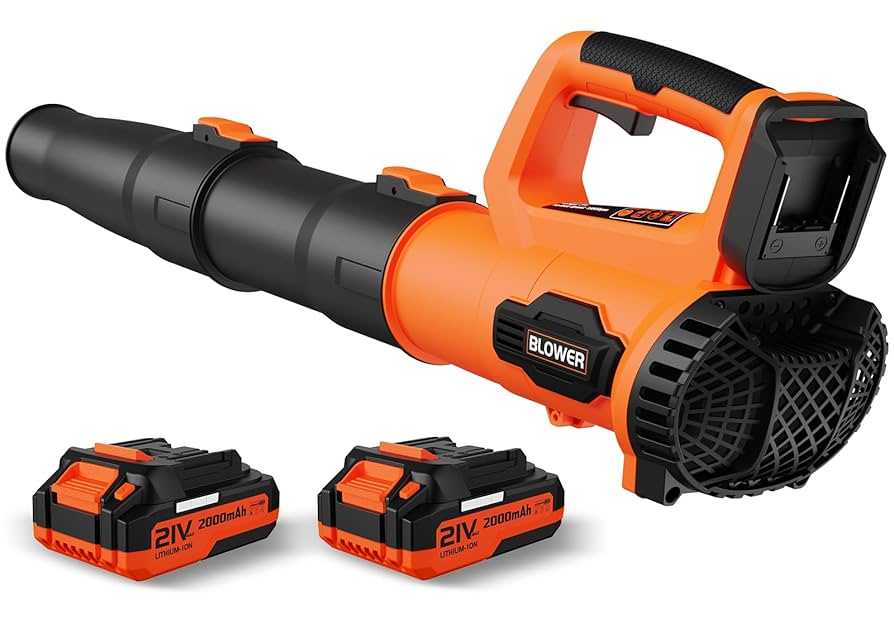
Quick answer: To use a leaf blower efficiently for fast lawn cleanup, start by clearing large debris first, then work in sweeping motions to gather leaves into piles, adjusting the nozzle for different tasks. Keep the blower at a steady pace, and make multiple passes for thorough cleaning.
Ready to turn those chaotic leaf piles into a tidy, lush lawn in no time? Using a leaf blower might seem simple, but mastering a few key techniques can make your cleanup faster and more effective. Whether you’re dealing with fall’s clutter or everyday yard debris, knowing the right way to handle your blower can save you time and effort. In this guide, I’ll share practical tips on how to use your leaf blower like a pro—starting with clearing the big mess, choosing the right settings, and working in organized sections. Get ready to enjoy your clean yard without breaking a sweat, all by mastering the art of efficient leaf blowing!

How to use a leaf blower for fast lawn cleanup
Understanding the Types of Leaf Blowers
Before you start cleaning, it’s important to know the different types of leaf blowers available. There are primarily three types: backpack, handheld, and wheeled blowers. Each has its advantages depending on your lawn size and personal comfort.
Handheld blowers are light and easy to handle, making them ideal for small yards. Backpack blowers distribute weight across your shoulders, reducing fatigue during larger cleanup jobs. Wheeled blowers resemble small lawnmowers and are best suited for extensive lawns with a lot of debris.
Knowing the right type for your needs can make your yard work faster and easier. Consider factors like power, weight, and your physical strength when choosing a blower.
Preparing Your Workspace for Efficient Cleanup
Start by clearing your yard of larger objects such as sticks, rocks, or toys. These can damage the blower or cause uneven cleaning. Next, mow your lawn if it’s long or uneven, as a short, even surface allows for quicker debris collection.
Designate a cleanup zone and plan your cleaning pattern. Moving in a consistent direction prevents missed spots and reduces the need for double work. Mark flower beds or delicate plants to prevent accidental damage while blowing debris.
Proper preparation saves time and ensures thorough cleaning, avoiding the need for repeated passes over the same area.
Choosing the Right Settings on Your Leaf Blower
Adjusting the blower’s speed is crucial for effective cleanup. Use the highest setting for dry leaves and loose debris to maximize airflow. For delicate areas or lighter debris, lower speeds prevent damage and reduce noise.
Most blowers have adjustable airspeed controls. Familiarize yourself with these before starting to work. Higher speeds are particularly useful for moving heavy, wet leaves or pushing debris into piles.
Always start with a lower setting and increase as needed. This approach conserves battery or fuel life and minimizes unnecessary noise pollution.
Proper Handling and Technique
Hold the blower with both hands for better control. Keep the nozzle pointed downward for maximum efficiency. Use smooth, sweeping motions rather than abrupt starts and stops.
Work in overlapping passes to cover every inch of your lawn. For large debris, aim the airflow directly onto the pile, and then gradually widen the area to gather scattered leaves.
Maintain a steady pace and avoid rushing. Consistent movement ensures debris is moved quickly and minimizes fatigue.
Effective Strategies for Lawn Cleanup
Create piles as you work by blowing leaves toward a corner or along your driveway. This makes collecting debris easier later on. Use the blower to push leaves into these designated areas, avoiding scattering them.
For large yards, divide your space into sections. Complete one section at a time before moving to the next, ensuring no area is missed. This segmented approach keeps your work organized and efficient.
Consider blowing leaves onto tarps or yard waste bags for easy collection. Quick and organized collection reduces cleanup time and keeps your yard tidy.
Maximizing Efficiency with Safety Measures
Wear protective gear such as safety glasses, hearing protection, and gloves to prevent injuries. Always keep bystanders, children, and pets away from your work area.
Maintain a safe distance from windows or delicate structures to avoid damage or debris entering your home. Be cautious around electrical cords if using corded blowers, and always turn off your blower before making adjustments.
Following safety guidelines not only protects you but also ensures your cleanup session proceeds smoothly without accidents.
Maintaining and Caring for Your Leaf Blower
Proper maintenance extends the life of your blower and keeps it operating at peak efficiency. Regularly clean the vents and air filters to prevent overheating.
Check for loose bolts or damaged parts before each use. For gas-powered blowers, change the oil and fuel filters as recommended by the manufacturer. Battery-powered blowers should have their batteries charged properly and stored in a cool, dry place.
Store your blower in a safe, dry location when not in use. Well-maintained equipment makes cleanup faster, smoother, and safer.
Additional Tips for Speedy Lawn Cleanup
Use a leaf rake to gather scattered debris into piles before blowing for a faster process. This hybrid approach saves time, especially in areas with thick leaf cover.
Schedule cleanup sessions during dry weather. Wet leaves are heavier, harder to move, and can clog your blower. Dry leaves are lighter and easier to blow into piles.
If your yard has slopes or uneven spots, blow leaves downhill or away from hard surfaces. This minimizes the effort required and reduces debris scattering.
Utilizing Accessories and Attachments
Consider using extension nozzles or wide-coverage attachments to increase airflow and cover larger areas quickly. These tools help push debris further and save time.
Some blowers come with vacuum or mulching attachments. These can shred leaves into mulch or compost, making disposal easier. Using mulchers reduces transportation and disposal costs.
Always ensure attachments are compatible with your blower model before use. Proper accessories can significantly increase your cleanup speed.
Using a leaf blower effectively can greatly reduce the time spent cleaning your lawn. From choosing the right equipment and preparing your yard to mastering handling techniques and maintenance, each step contributes to a faster cleanup process. Regular practice and proper safety measures ensure you stay efficient and injury-free. With these tips, your lawn will stay tidy and leaf-free in no time.
Brilliant Uses for a Leaf Blower You've Never Thought Of
Frequently Asked Questions
What are some effective techniques for directing debris with a leaf blower?
To effectively direct debris, hold the leaf blower at a 45-degree angle and aim it toward a designated pile or away from flower beds and fragile plants. Use smooth, sweeping motions to cover the entire area, ensuring that debris is moved efficiently. Adjust your stance to maintain control and steady hand movements for consistent results.
How should I prepare the lawn before using a leaf blower for faster cleanup?
Clear larger objects like sticks or rocks from the lawn to prevent obstruction and damage to the blower. Water the grass lightly if it is very dry to minimize dust clouds. Plan your cleaning path to follow a logical route, starting from one edge of the lawn and working systematically toward the other side, reducing the need to go over the same area twice.
What safety precautions should I take while operating a leaf blower for quick lawn cleanup?
Wear protective gear such as goggles and ear protection to shield your eyes and ears from debris and noise. Keep bystanders, especially children and pets, at a safe distance. Make sure the area is clear of loose objects that could become projectiles. Always read the manufacturer’s instructions before operating the equipment to ensure safe handling.
How can I optimize my technique to reduce the time needed for lawn cleanup?
Use overlapping passes and maintain a consistent speed to cover the area efficiently. Adjust the blower’s speed to suit different debris types—higher speeds for dry leaves and lower speeds for delicate plants or light debris. Incorporating a wide sweeping motion helps gather debris quickly without the need for constant adjustments.
Final Thoughts
How to use a leaf blower for fast lawn cleanup is straightforward. Start by clearing large debris with a rake to make the blower work more efficiently. Adjust the blower’s speed to suit the type of debris and area to be cleaned. Use short, controlled bursts of air to direct leaves into piles.
Next, move systematically across your yard, working from one side to the other. Keep a steady pace, and avoid blaring the blower in one spot for too long to prevent soil disruption. With these tips, you will achieve quick, tidy results.