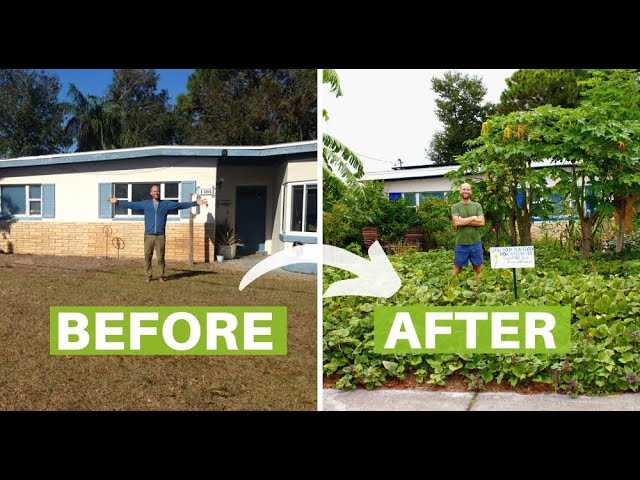
If you’re looking to transform your lawn into a vibrant garden, you’re in the right place! Start by assessing your space – think about the type of garden you want, whether it’s flowers, vegetables, or a mix. The first step is to clear the lawn of grass and weeds, then prepare the soil by turning it over and enriching it with compost. Next, choose plants that suit your climate and the amount of sunlight your garden receives. Don’t forget to plan your layout and consider the height and spread of the plants as they grow. With a bit of effort and creativity, you can easily turn your lawn into a flourishing garden that brings joy and beauty to your home.

How To Turn Your Lawn Into A Garden
Turning your lawn into a beautiful garden can be a rewarding project. Whether you want to grow flowers, vegetables, or a mix of both, this journey can enhance your outdoor space. Let’s explore the steps involved in making your dream garden a reality.
Planning Your Garden Space
Before you start digging, it’s crucial to plan your garden. Consider how much space you have and what you want to grow. You can visualize your garden by sketching a layout on paper.
– Think about sun exposure: Most plants need at least six hours of sunlight.
– Identify areas with good drainage. Plants can drown in too much water.
Once you have your plan, it’s time to prepare the ground.
Preparing the Ground
Preparation is key to a successful garden. Start by clearing your lawn of grass and weeds. Use a shovel or garden spade to remove the sod.
Next, loosen the soil using a tiller or a garden fork. This process aerates the soil and makes it easier for plants to grow.
Testing Soil Quality
It’s essential to understand the quality of your soil to know what plants will thrive. You can purchase a soil test kit or send a sample to a local extension office.
– Check for pH balance: Most plants prefer a pH between 6.0 and 7.5.
– Look for nutrient levels such as nitrogen, phosphorus, and potassium.
This information helps determine if you need to amend your soil.
Amending Your Soil
Based on your soil test results, you may need to add amendments.
– Compost is a great natural option. It improves soil structure and adds nutrients.
– Organic fertilizers can enhance nutrient levels.
Mix the amendments thoroughly into your soil, creating a rich foundation for your plants.
Selecting Plants for Your Garden
Choosing the right plants is vital for a thriving garden. Consider your climate, soil type, and how much maintenance you’re willing to do.
– **Flowers**: Marigolds, sunflowers, and daisies are colorful options.
– **Vegetables**: Tomatoes, lettuce, and peppers are great for beginners.
Research your choices to ensure they will flourish in your selected area.
Grouping Plants
When planting, consider grouping plants with similar needs together. This strategy makes watering and maintenance easier.
– **Sunshine lovers**: Position them in the sunniest spots.
– **Shade plants**: Keep them in areas that receive less light.
This helps create harmony and makes your garden visually appealing.
Creating Garden Beds
Garden beds are essential for organizing your planting area.
– Create raised garden beds for better drainage and easier access.
– Use wood, stone, or bricks to outline the beds.
Ensure each bed is at least 4 feet wide so you can reach the center without stepping on the soil.
Mulching Your Garden
Applying mulch is a great way to retain moisture and suppress weeds.
– Organic mulch options include straw, wood chips, and shredded leaves.
– Spread a 2-3 inch layer around your plants for the best results.
Mulch also adds nutrients back into the soil as it breaks down.
Watering Your Garden
Watering is critical, especially in the early days after planting.
– Use a soaker hose or drip irrigation system for efficient watering.
– Water early in the morning or late afternoon to prevent evaporation.
Monitor your plants closely, adjusting your watering schedule based on weather conditions.
Maintaining Your Garden
Regular maintenance keeps your garden healthy and beautiful.
– Weeding should be done weekly. Remove weeds by hand or use a hoe.
– Check for pests and diseases. Early detection can save your plants.
Fertilize your garden every few weeks, giving your plants the nutrients they need to thrive.
Seasonal Care
Each season will require different care strategies.
– **Spring**: Focus on planting and initial growth.
– **Summer**: Keep up with watering and weeding.
– **Fall**: Prepare for winter by cleaning up dead plants and adding compost.
Understanding seasonal changes helps you plan ahead.
Enjoying Your New Garden
Once your garden is established, take time to enjoy it. Create spaces for relaxation by adding benches or decorative elements.
You can also plan activities such as gardening with family or friends.
– Grow flowers to attract butterflies and bees.
– Plant herbs for cooking, adding fresh flavors to your meals.
The possibilities are endless when you turn your lawn into a garden.
In conclusion, transforming your lawn into a garden is an exciting process. It requires planning, preparation, and consistent care. Now that you have the tools and knowledge, you’re ready to get started. Enjoy every moment of nurturing your new green space!
How To Turn Your Lawn Into A Vegetable Garden
Frequently Asked Questions
What are the first steps to consider before starting a garden on my lawn?
Before you begin, assess your lawn’s current condition and identify the amount of sunlight it receives throughout the day. Decide on the type of garden you want, whether it’s vegetable, flower, or herb. Take note of any existing grass or plants and consider if they will need to be removed or integrated into your new garden design.
How do I prepare my soil for planting?
Start by clearing the area of any grass, weeds, or debris. Once cleared, test your soil’s pH and nutrient levels using a soil testing kit. Based on the results, amend the soil with organic matter like compost to improve its structure and fertility. Tilling the soil will also help to aerate and mix the amendments thoroughly.
What types of plants are best suited for a new garden?
Select plants that thrive in your local climate and suit the amount of sunlight your garden receives. For beginner gardeners, consider choosing hardy perennials, annual flowers, or easy-to-grow vegetables like tomatoes and zucchini. Native plants often adapt well and require less maintenance.
How can I manage weeds in my new garden?
Implementing a mulch layer around your plants can help suppress weeds while retaining moisture. Hand-pulling weeds regularly is effective, especially when the soil is moist. Consider using landscape fabric under the mulch for additional weed control, and try to maintain a regular maintenance schedule.
What should I do about water and irrigation for my garden?
Establish a watering routine based on your plants’ needs, typically providing water early in the morning or late in the evening. Consider installing a drip irrigation system for efficient watering or using soaker hoses. Monitor rainfall and adjust your watering schedule accordingly to avoid overwatering or drought stress.
How can I ensure my garden remains healthy throughout the seasons?
Regular maintenance is key to a thriving garden. Monitor your plants for signs of pests or disease and address issues promptly. Rotate crops each season if you grow vegetables to maintain soil health and reduce pest buildup. Additionally, prepare your garden for seasonal changes by mulching in winter and adjusting watering during dry spells.
Final Thoughts
Turning your lawn into a garden can bring beauty and functionality to your outdoor space. Start by removing grass and weeds, then plan your garden layout according to your preferences.
Select plants that thrive in your local climate and create a diverse ecosystem.
Implement proper irrigation and mulching techniques to ensure your plants flourish.
In conclusion, following these steps will guide you on How To Turn Your Lawn Into A Garden effectively, allowing you to enjoy a vibrant and productive yard.