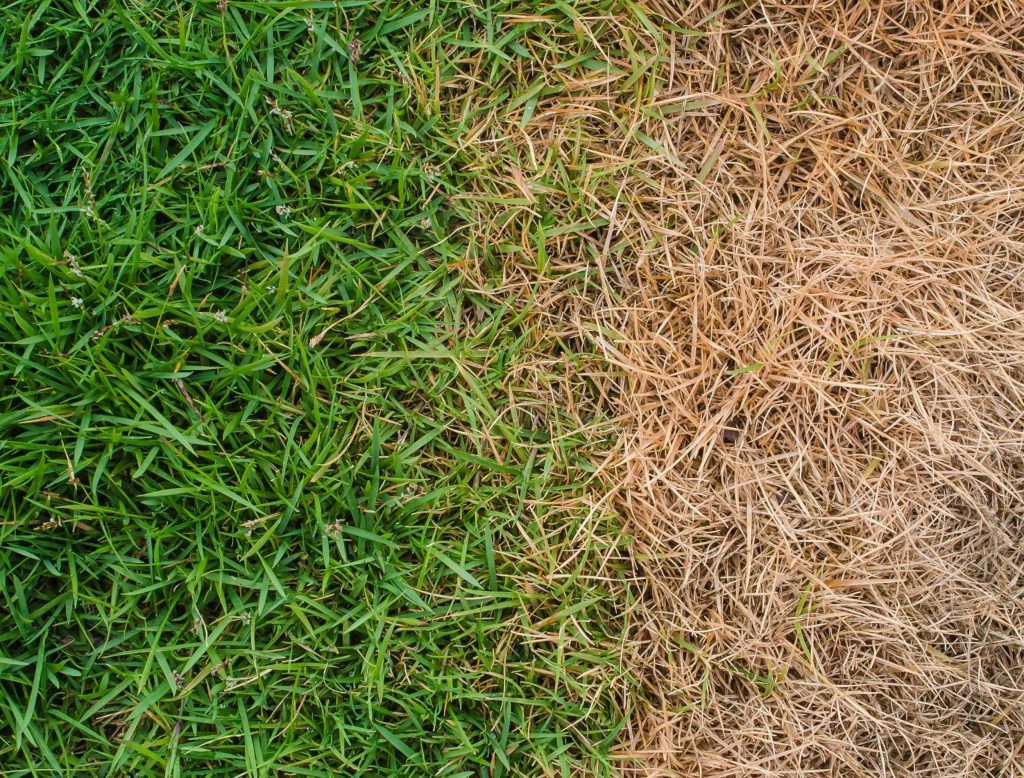
To restore your yellowed grass to its lush green glory, start by assessing the underlying cause—be it overwatering, pests, or nutrient deficiencies—and then take targeted action such as adjusting watering schedules, applying the right fertilizer, or treating pests. Regular watering, proper fertilization, and aeration are key to revitalizing dull, yellow grass. With consistent care, your lawn can bounce back to a vibrant green in no time.
If your grass has turned yellow, it’s often due to stress from overwatering, drought, poor soil health, or nutrient shortages. Identifying the root cause is essential to choosing the right remedy—whether that’s adjusting watering practices, fertilizing with nitrogen-rich formulas, or improving soil drainage. With patience and the right approach, you can bring your lawn back to life, creating a beautiful, verdant space to enjoy.
A yellow lawn can be disheartening, but it’s usually fixable with simple, effective steps. Most often, yellowing results from environmental stress or lack of nutrients. By understanding what your grass needs—more water, fertilizer, or aeration—you can help it recover quickly. Getting your grass green again involves a combination of proper watering, fertilization, and ongoing lawn maintenance to keep your yard looking its best.

How to Turn Yellow Grass Green Again
Understanding Why Grass Turns Yellow
Yellow grass often signals that your lawn is in distress. Causes include overwatering, underwatering, poor soil quality, or nutrient deficiencies. Recognizing the root problem helps you choose the right solution.
Some common reasons for yellowing grass are:
- Lack of essential nutrients like nitrogen
- Poor soil drainage
- Overexposure to sunlight or heat stress
- Pest infestations or diseases
- Compacted soil making roots unable to access nutrients and water
Understanding these causes can guide you in implementing effective green-up strategies. A healthy lawn needs the right balance of water, nutrients, and sunlight to stay lush and green.
Assessing Your Lawn’s Condition
Before fixing the problem, it’s crucial to evaluate your lawn’s specific issues. Start by inspecting the grass closely for signs of pests or disease. Test the soil using a simple kit to check pH and nutrient levels.
Check the watering habits—are you watering too much or too little? Observe the grass during different times of the day to see if it’s receiving adequate sunlight. Then, determine if the soil is compacted or if there’s poor drainage.
A detailed assessment makes it easier to select the most effective remedies for turning yellow grass back to green. Always remember that different grass types may require specific care routines.
How to Improve Soil Quality and Drainage
Healthy soil is key to green grass. If your soil is compacted, aerating it can significantly improve root growth. Use a garden fork or aerator to poke holes into the soil, allowing air, water, and nutrients to penetrate deeper.
Adding organic matter such as compost or peat moss boosts soil fertility. These materials enrich the soil and help retain moisture. For poor-draining soil, consider installing drainage systems or creating raised beds.
Proper soil management ensures roots access essential nutrients and water, which are vital for vibrant green grass.
Providing Proper Watering Techniques
Watering habits greatly influence lawn color and health. Grass typically needs about one to one and a half inches of water weekly. Use a rain gauge or empty container to measure rainfall and irrigation.
Water deeply but infrequently to encourage deep root growth. Early morning watering is best because it minimizes evaporation and fungal growth. Avoid overwatering, which can suffocate roots and promote disease.
Establish a consistent watering schedule suited to your grass type, climate, and soil condition. Proper hydration keeps the grass lush and minimizes yellowing caused by drought stress.
Nutrient Management for a Healthy Lawn
Nutrient deficiencies often cause yellowing grass. Apply fertilizer with a high nitrogen content during the growing season. Choose a fertilizer formulated for lawns, and follow the recommended application rates.
Consider using organic options like compost tea or fish emulsion for a gentle nutrient boost. Applying a slow-release fertilizer provides nutrients over time, preventing runoff and promoting sustained health.
If soil tests reveal deficiencies in phosphorus or potassium, supplement accordingly. Regular fertilization supports vigorous growth and enhances the green color of your lawn.
Choosing the Right Fertilizer
Select a fertilizer based on your soil’s needs and grass type. Look for a balanced N-P-K ratio—such as 20-5-10—that promotes healthy, green growth.
For quick results, use a fast-acting fertilizer, but follow up with slow-release options for sustained color. Always water in fertilizers after application to prevent burning or runoff.
Avoid over-fertilizing, which can lead to excessive thatch, disease, or environmental harm. Consult local gardening centers or extension services for specific recommendations aligned with your lawn’s condition.
Managing Pests and Diseases
Yellow patches might be a sign of pests or disease. Inspect the lawn for signs like insect activity, fungal growth, or mold. Use targeted treatments like insecticidal soap or fungicides to control issues.
Maintain proper mowing height to reduce stress and prevent pest infestation. Remove debris and thatch buildup regularly to improve airflow and discourage disease.
Healthy, vigorous grass is more resistant to pests and infections. Early detection and treatment prevent minor issues from turning into widespread lawn problems.
Proper Mowing Practices
Mowing at the correct height fosters strong roots and healthy blades. Keep mower blades sharp and mow regularly to avoid cutting more than one-third of the grass height at once.
Adjust mowing height based on grass type—most thrive best when cut at 2 to 3 inches. During hot months, keeping grass slightly taller helps retain moisture and stay green.
Removing clippings can help prevent disease, but leaving them in place can also return nutrients to the soil. Balance mowing practices with overall lawn health to maintain vibrant green grass.
Dealing with Common Lawn Problems
Yellowing can also result from disease, pests, or environmental stress. For fungal infections, use appropriate fungicides and improve air circulation by aerating.
Overwatering or poor drainage causes root rot and yellow patches. Correct these by adjusting watering habits and improving soil drainage.
Remember, a combination of proper watering, feeding, aerating, and pest control creates a thriving, green lawn. Addressing these issues promptly prevents further deterioration.
Maintenance Tips for Long-Term Greenery
Long-term lawn health depends on regular care. Maintain a balanced fertilization schedule, mow correctly, and aerate annually.
Water deeply but less frequently, especially during dry seasons, to develop deep roots. Topdress with compost yearly to enhance soil nutrients.
Monitor for pests, diseases, and environmental stress and address problems early. Consistent, attentive lawn care ensures your grass remains vibrant and green through all seasons.
Related Topics
- Best grass types for different climates
- Organic lawn care methods
- How to prevent drought stress in grass
- Guide to aeration and overseeding
- Using natural pest control for lawns
By understanding these core principles and actively caring for your lawn, turning yellow grass green again becomes an achievable goal. With patience and proper techniques, your yard can become a lush, inviting space that looks healthy and vibrant all year long.
Why your LAWN is YELLOW & DYING – EASY FIX that works FAST!
Frequently Asked Questions
What are the common causes of yellowing grass and how can I identify them?
Yellow grass often results from factors like nutrient deficiencies, overwatering, underwatering, or pests. To identify the cause, observe the grass for signs such as patchy areas, pests, or soil conditions. Testing the soil can reveal deficiencies in nitrogen, iron, or other essential nutrients which can be addressed with targeted fertilization. Ensuring proper watering and monitoring pest activity also helps determine the root issue.
Which nutrients should I apply to revive yellowed grass effectively?
Applying nitrogen-rich fertilizers helps promote healthy, green growth. Iron supplements can also restore color if the grass shows signs of iron deficiency. Use a balanced lawn fertilizer appropriate for your grass type, following the recommended application rates. Regular feeding during the growing season supports sustained greening and overall lawn health.
How can I improve watering practices to restore my yellow grass?
Maintain a consistent watering schedule that keeps the soil moist but not waterlogged. Water deeply and less frequently to encourage strong root growth, typically once or twice a week depending on weather conditions. Adjust watering based on the grass’s appearance and soil moisture levels, avoiding both drought stress and oversaturation which can cause yellowing.
What lawn care routines can help prevent grass from turning yellow in the future?
Implement regular mowing at appropriate heights to avoid stressing the grass. Aerate the lawn annually to improve soil aeration and nutrient absorption. Reseed bare patches and overseed to maintain dense coverage. Additionally, remove thatch buildup and control pests proactively. Consistent fertilization and watering practices also help sustain a lush green lawn year-round.
Final Thoughts
To turn yellow grass green again, start by identifying the cause, such as nutrient deficiency or overwatering. Apply a balanced fertilizer rich in nitrogen to promote healthy growth. Ensure your lawn receives adequate sunlight and water regularly. With proper care, your grass will regain its vibrant green color and thrive throughout the season.