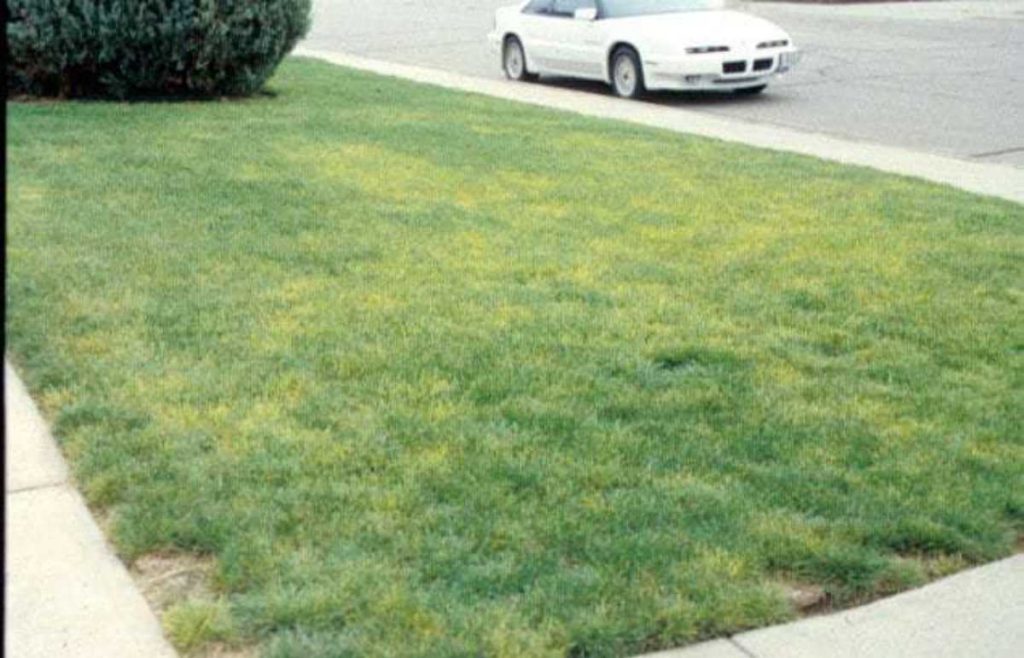
If you notice your lawn turning yellow or pale, it might be suffering from iron chlorosis—a common issue caused by a lack of iron in the soil. The good news is that treating it can be quite simple! Applying iron supplements, adjusting soil pH, and ensuring proper watering can help restore the vibrant green color to your grass in no time. Understanding the signs and causes of iron chlorosis is key to effectively addressing the problem. In this article, we’ll explore various methods to treat iron chlorosis in your lawn, from organic solutions to chemical applications, so you can bring your yard back to life and enjoy a healthier, greener outdoor space. Let’s dive in!

How To Treat Iron Chlorosis Lawns
Iron chlorosis is a common problem that affects lawns, making them look dull and yellow instead of green. This issue arises when grass lacks enough iron to produce chlorophyll, the green pigment in plants. Understanding how to treat iron chlorosis lawns can help restore your grass to its vibrant color.
In this article, we will delve into the causes, symptoms, and effective treatment methods for iron chlorosis in lawns.
Understanding Iron Chlorosis
Iron chlorosis occurs when grass cannot absorb sufficient iron from the soil. The deficiency can be due to various reasons, including poor soil conditions, high soil pH, or excessive watering.
Some common symptoms to look out for include:
- Yellowing of the leaves, especially between the veins
- Stunted growth
- Pale or yellow patches throughout the lawn
Recognizing these signs early can make a significant difference in the treatment process.
Identifying the Causes of Iron Chlorosis
Understanding the causes of iron chlorosis is vital for effective treatment. Here are some factors that contribute to this condition:
Poor Soil Quality
Soil that is compacted or lacks organic matter can hinder the roots’ ability to absorb nutrients. Conducting a soil test will help you understand its composition and nutrient levels.
High Soil pH
Soil pH plays a crucial role in nutrient availability. When the pH level is too high, it can make iron less accessible to grass. Ideally, the pH should be between 6.0 and 7.0 for optimal nutrient absorption.
Overwatering
Excessive watering can lead to soil saturation, which may limit air flow to the roots and make it difficult for them to uptake iron. Adjusting your watering schedule can help alleviate this issue.
Testing Your Soil
Before treating iron chlorosis, it’s essential to test your soil. Here’s how to conduct a soil test:
1. Gather soil samples from multiple areas of your lawn.
2. Mix the samples together in a clean container.
3. Send the mixed sample to a local extension office or use a home testing kit.
4. Assess the pH level and nutrient content, especially iron levels.
Improving Soil Quality
Improving the soil quality is a critical step in treating iron chlorosis. Here are some effective strategies:
Adding Organic Matter
Incorporate organic matter like compost or aged manure into the soil. This addition increases microbial activity and improves nutrient availability, including iron.
Adjusting Soil pH
If your soil test indicates high pH levels, you can lower the pH by adding elemental sulfur or iron sulfate. This adjustment helps make iron more accessible to the grass roots.
Applying Iron Fertilizers
Applying iron fertilizers directly to the lawn can provide a quick solution to iron chlorosis. Here are some options available:
- Iron chelate: A highly effective form of iron that is easily absorbed by plants.
- Ferrous sulfate: This is another good option, but it may take longer for the grass to respond.
When applying these products, follow the instructions carefully to avoid over-application.
Timing Your Treatments
Timing is essential when treating iron chlorosis. Applying fertilizers at the right time can maximize their effectiveness.
The best time to treat your lawn is in early spring or late summer when the grass is actively growing.
Watering Techniques
Proper watering is crucial for the health of your lawn. Here are some tips to ensure your grass receives adequate moisture without overwatering:
- Water early in the morning to reduce evaporation.
- Use a soaker hose or drip irrigation to deliver water directly to the roots.
- Monitor soil moisture to avoid saturation.
These practices help maintain a healthy environment for the grass to absorb nutrients effectively.
Regular Lawn Maintenance
Maintaining your lawn can prevent future occurrences of iron chlorosis. Implement these regular maintenance tips:
Proper Mowing
Keep your grass cut to the right height. Overly short grass can stress the roots and hinder nutrient uptake. Aim for a grass height of about 2.5 to 3.5 inches depending on the type of grass.
Weed Control
Weeds compete with grass for nutrients and water. Regularly inspect your lawn and remove weeds promptly.
Fertilization Schedule
Develop a balanced fertilization schedule that includes essential nutrients, not only iron but also nitrogen, phosphorus, and potassium. This schedule supports overall lawn health.
Signs Your Treatment is Working
After implementing your treatment plan, monitor your lawn closely for any signs of improvement. Look for:
- Gradual greening of the grass
- Increased growth and lushness
- Less yellowing of the leaves
It may take a few weeks to see significant changes, so be patient during this process.
Seeking Professional Help
If your lawn shows minimal improvement despite your efforts, consider consulting a lawn care professional. They can provide tailored solutions based on your specific lawn conditions.
Preventing Future Iron Chlorosis
Prevention is essential to avoid iron chlorosis. Here are some proactive measures you can take:
Regular Soil Testing
Make it a habit to test your soil every couple of years. This practice helps you stay informed about nutrient levels and pH.
Monitoring Watering Practices
Be diligent about your watering practices. Avoid overwatering and adjust your schedule based on seasonal changes.
Plant Selection
Choose grass varieties that are known for being more tolerant to iron chlorosis. This selection can help minimize issues in susceptible areas.
By understanding how to treat and prevent iron chlorosis, you can maintain a healthy, lush, and vibrant lawn. Regular care and attention will go a long way in keeping your grass green and beautiful.
What Iron Chlorosis Is and How to Treat It
Frequently Asked Questions
“`html
What are the common signs of iron chlorosis in lawns?
Common signs of iron chlorosis in lawns include yellowing of the leaves, particularly between the veins, while the veins remain green. Grass may also appear stunted and weak, and you may notice a general decline in overall lawn health. This yellowing can be more pronounced in new growth.
What are the best practices for preventing iron chlorosis in the future?
To prevent iron chlorosis, maintain a balanced soil pH, ideally between 6.0 and 7.0. Regularly test your soil to check for nutrient levels and deficiencies. Ensure proper drainage to avoid waterlogged conditions, and consider aerating your lawn to improve root health. Adding organic matter can also help maintain nutrient levels.
How does soil pH affect iron availability in lawns?
Soil pH plays a crucial role in iron availability. In alkaline soils (high pH), iron becomes less soluble, making it difficult for grass to absorb. Conversely, acidic soils (low pH) generally promote better iron availability. Adjusting soil pH can help improve iron absorption and prevent chlorosis.
Are there specific fertilizers that can help treat iron chlorosis?
Yes, using fertilizers that contain chelated iron can effectively treat iron chlorosis. Look for products labeled as iron sulfate or iron chelate, which provide readily available iron to plants. Applying these fertilizers during the growing season can improve lawn color and health.
Can cultural practices help manage iron chlorosis?
Cultural practices such as proper watering, mowing, and aeration can significantly impact the management of iron chlorosis. Water your lawn deeply but infrequently to encourage root growth. Mow at a higher setting to promote healthy grass and root systems, and aerate the soil to improve nutrient absorption.
“`
Final Thoughts
To treat iron chlorosis lawns effectively, start by identifying the underlying cause, such as poor soil conditions or high pH levels. Applying iron chelates can provide quick relief, helping to restore the lawn’s vibrant green color. Additionally, regularly aerating the soil and using organic fertilizers can improve nutrient availability over time.
In summary, knowing how to treat iron chlorosis lawns helps maintain a healthy and attractive yard. With the right approach, you can ensure your grass thrives despite iron deficiency.