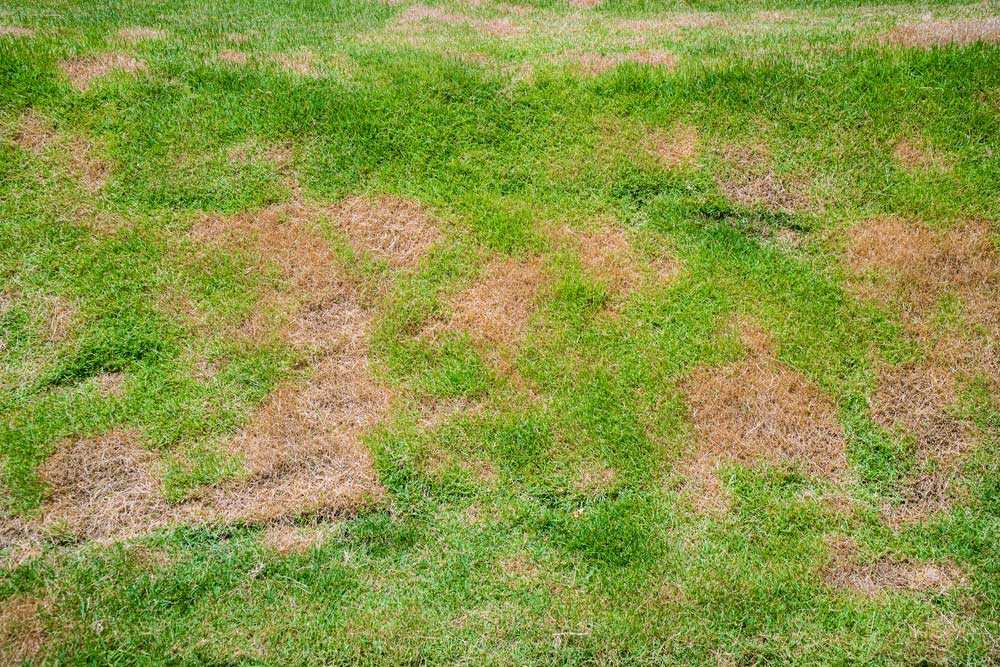
If you’re dealing with grass fungus, the first step is to improve airflow and reduce moisture. Start by mowing your lawn regularly and ensuring proper drainage. You can also apply a suitable fungicide to treat existing infections. It’s essential to choose a product designed for your specific type of grass and follow the instructions carefully. Regular maintenance, such as not overwatering and maintaining healthy soil, can prevent future outbreaks.
Grass fungus can be a frustrating problem, especially for those who take pride in their lawns. Whether it’s those unsightly brown patches or an overall dull appearance, dealing with fungus can leave your yard looking less than desirable. Understanding how to treat grass fungus not only restores your lawn’s health but also enhances its beauty. By addressing the underlying causes and employing effective treatments, you can bring your grass back to life. Let’s explore some practical steps to tackle this issue effectively and keep your lawn lush and vibrant.

How to Treat Grass Fungus
Grass fungus can be a pesky problem for any lawn enthusiast. It can spoil the beauty of your yard and compromise the health of your grass. Understanding how to treat grass fungus effectively is essential for maintaining a lush and vibrant landscape. This guide will provide you with detailed steps and insights into identifying, preventing, and treating grass fungus.
Identifying Grass Fungus
Before treating grass fungus, it’s crucial to identify it correctly. Grass fungus can manifest in various forms, and recognizing the signs will help you choose the right treatment.
- Brown Patch: This fungus creates circular brown areas with a dark ring around them.
- Powdery Mildew: Look for a white powdery substance on the grass blades.
- Rust: This appears as orange or reddish-brown spots on the grass.
- Dollar Spot: Small, circular, tan spots that can grow larger over time.
Each type of fungus has unique characteristics, so being observant is key. Always inspect your lawn regularly to catch any issues early.
Factors Contributing to Grass Fungus
Understanding what causes grass fungus can help you prevent it. Several factors contribute to fungal growth:
- Humidity: High humidity levels create an ideal environment for fungus.
- Overwatering: Excess moisture in the soil can promote fungal diseases.
- Lack of Air Circulation: Dense grass can trap moisture and reduce airflow.
- Soil Compaction: Compacted soil limits root growth and can lead to stress on grass.
Addressing these factors early can significantly decrease the odds of a fungal outbreak.
Preventing Grass Fungus
Prevention is always better than cure. Implementing a few simple practices can help you keep grass fungus at bay.
Proper Watering Techniques
Water your lawn early in the morning to allow grass to dry throughout the day. Avoid watering in the evening, as the moisture will linger overnight, promoting fungus growth.
Regular Lawn Maintenance
Mow your lawn regularly to maintain a healthy height. Taller grass is less susceptible to disease. Make sure your mower blades are sharp to prevent tearing.
Fertilization
Use a balanced fertilizer to ensure your grass is healthy. Over-fertilizing can lead to lush growth that is more susceptible to disease. Follow the recommended guidelines for application.
Treating Grass Fungus
If you notice signs of grass fungus, it’s time to act. Here’s how you can treat it effectively.
Natural Treatments
Several natural solutions can help combat grass fungus without harsh chemicals.
- Baking Soda: Mix one tablespoon of baking soda with a quart of water. Spray this mixture on affected areas.
- Neem Oil: Neem oil is a natural fungicide. Dilute it according to the instructions and apply it to your lawn.
- Vinegar: Mix one part vinegar to four parts water. Spray this on the affected grass.
Natural treatments may take longer to show results but are often safer for the environment.
Chemical Treatments
Sometimes, a more robust solution may be necessary. Here are some chemical treatments to consider:
- Fungicides: Apply a fungicide specifically designed for grass. Follow the manufacturer’s instructions for best results.
- Granular Fungicides: These can be spread easily across the lawn and are usually effective against multiple types of fungus.
Use chemical treatments with caution, as they can harm beneficial insects and the surrounding environment.
When to Seek Professional Help
If you’ve tried various home remedies and chemicals with no success, it might be time to call in the experts. Professional lawn care services can provide specialized treatments and advice tailored to your lawn’s specific needs.
Expert Assessment
A professional can assess the severity of the fungus and recommend treatment options you might not be aware of. They often have access to stronger, commercial-grade products that may not be available to the general public.
Long-term Lawn Care Plans
Professionals can help you develop a long-term lawn care plan that includes proper fertilization, watering schedules, and maintenance routines. This will create a healthier lawn that is resistant to future fungal outbreaks.
Restoring Your Lawn After Fungal Infection
Once you’ve treated the fungus, it’s important to focus on recovery. Here are steps to restore your lawn’s health.
Overseeding
If the fungus has left bare patches, consider overseeding. This will encourage new grass growth and fill in any gaps. Choose a grass variety that matches the existing turf.
Soil Aeration
Aerating the soil can help improve drainage and air circulation. This process involves perforating the soil with holes to allow air, water, and nutrients to penetrate the roots more effectively.
Regular Monitoring
Keep an eye on your lawn even after treatment. Regularly check for any signs of returning fungus and address problems quickly.
Treating grass fungus takes patience and diligence. While it can be challenging, following the right steps will help you maintain a beautiful and healthy lawn. Regular maintenance and proper care are crucial in preventing grass fungus. Remember, a proactive approach is the best way to ensure your grass stays vibrant and disease-free. With the right treatment strategies, your lawn can be a lush green paradise that you can enjoy all year round.
How to Prevent and Treat Lawn Fungus – Lawn Disease Control
Frequently Asked Questions
What are the signs of grass fungus?
Common signs of grass fungus include discolored patches on the lawn, which may appear brown, yellow, or gray. You might also notice a slimy or fuzzy growth on the grass blades, especially in damp conditions. Additionally, grass may become wilted or thin, and you may see dead patches that do not respond to watering or fertilization.
How can I prevent grass fungus in my lawn?
To prevent grass fungus, ensure proper lawn care, including adequate watering and mowing practices. Avoid watering in the evening, as wet grass overnight can promote fungal growth. Keep your mower blades sharp to minimize damage to the grass and provide good air circulation within the lawn by not overcrowding plants. You can also apply a fungicide as a preventive measure during the growing season.
Are there natural remedies for treating grass fungus?
Yes, several natural remedies can help treat grass fungus. You can create a mixture of baking soda and water to spray on affected areas, which can help disrupt fungal growth. Another option is to use a diluted vinegar solution or milk spray, both of which have antifungal properties. Additionally, introducing beneficial nematodes can help control fungal populations in the soil.
When is the best time to treat grass fungus?
The best time to treat grass fungus is during the early stages of infection, as soon as you notice symptoms. Early intervention can prevent the spread of the fungus. Additionally, treating in dry conditions, rather than during or immediately after rainfall, increases the effectiveness of fungicides and natural remedies.
Can over-fertilizing contribute to grass fungus?
Yes, over-fertilizing can contribute to grass fungus. Excessive nitrogen encourages rapid growth and creates a dense thatch layer, which can retain moisture and trap heat, creating an ideal environment for fungi. Always follow recommended fertilization guidelines to maintain a healthy balance in your lawn.
How long does it take for grass to recover from fungal infections?
The recovery time for grass affected by fungal infections varies depending on the severity of the infection and the treatment used. Generally, with prompt treatment and proper care, grass can start to show signs of recovery within one to two weeks. However, complete recovery may take longer, particularly for more extensive damage.
Final Thoughts
To treat grass fungus effectively, begin by improving air circulation and sunlight exposure on your lawn. Regular mowing and proper watering techniques can prevent excess moisture, reducing fungal growth.
Identify the type of fungus affecting your grass, as different varieties require specific treatments. Using fungicides can help eliminate the infection, but choose products that are safe for your lawn type.
Remember to maintain a healthy lawn through proper fertilization and routine maintenance. Following these steps will significantly improve your chances of successfully treating grass fungus.