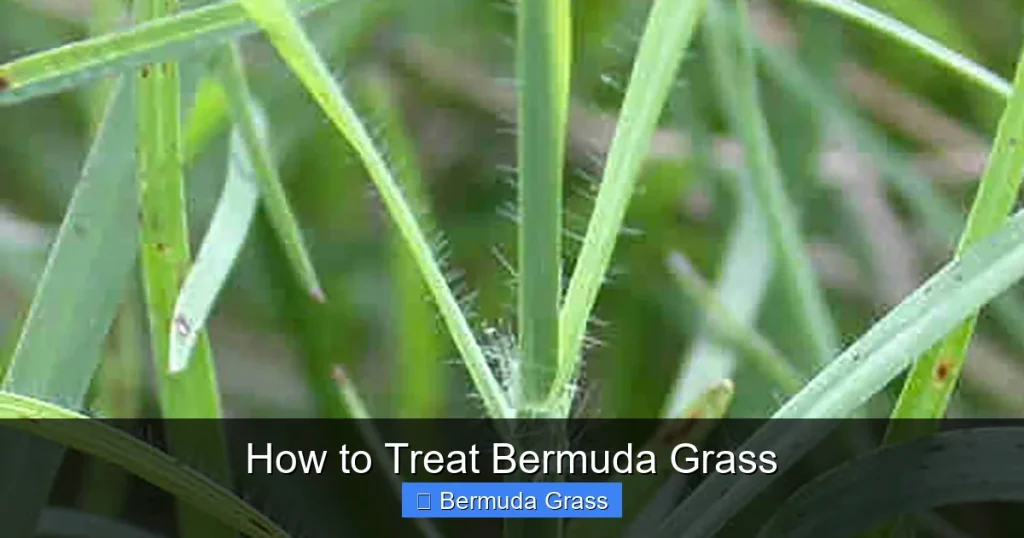
Bermuda grass is a popular warm-season turf, but it can require special care to stay healthy. This guide will teach you how to treat Bermuda grass effectively, including maintenance, pest control, and troubleshooting tips. Whether you want to revive your lawn or prevent common issues, you’ll find step-by-step instructions here.
How to Treat Bermuda Grass
If you have Bermuda grass, you know it can be a beautiful, durable lawn. But it also needs proper care to thrive. Whether you’re starting fresh or fixing a struggling lawn, this guide will walk you through how to treat Bermuda grass effectively. You’ll learn best practices for mowing, watering, fertilizing, pest control, and more. Let’s get started!
Key Takeaways
- Proper mowing: Keep Bermuda grass at the ideal height to promote healthy growth and prevent weeds.
- Watering techniques: Water deeply but infrequently to encourage deep roots and drought tolerance.
- Fertilization: Use the right fertilizer at the correct times to ensure vibrant, lush grass.
- Pest and disease control: Regularly inspect your lawn and treat issues promptly to prevent damage.
- Weed management: Employ proper weed control methods to maintain a uniform, healthy lawn.
- Overseeding and aeration: Improve lawn health and reduce compaction with seasonal overseeding and aeration.
Understanding Bermuda Grass
Bermuda grass is a warm-season turf known for its heat tolerance and resilience. It grows best in hot climates and requires plenty of sunlight. While it can be low-maintenance, improper care can lead to issues like thatch buildup, weeds, or pests. Knowing your Bermuda grass’s needs is the first step to treating it well.
Step 1: Proper Mowing for Bermuda Grass
Set the Right Mowing Height
For Bermuda grass, the ideal mowing height is between 1 to 2 inches. Mowing too short can stress the grass, while too tall may promote thatch buildup and weeds.

Visual guide about How to Treat Bermuda Grass
Image source: uaex.uada.edu
How to Mow Correctly
- Frequency: Mow regularly, about once a week during peak growing season.
- Sharp blades: Keep mower blades sharp to avoid tearing the grass, which can lead to disease.
- Leave clippings: Mulch grass clippings back into the lawn for extra nutrients.
Step 2: Watering Bermuda Grass Effectively
Deep and Infrequent Watering
Bermuda grass prefers deep, infrequent watering to encourage deep root growth. Aim for about 1 to 1.25 inches of water per week, including rainfall.

Visual guide about How to Treat Bermuda Grass
Image source: i.ytimg.com
Practical Tips
- Water early in the morning: This reduces evaporation and fungal issues.
- Avoid overwatering: Too much water can lead to shallow roots and disease.
- Check soil moisture: Use a soil probe or finger test to determine when to water.
Step 3: Fertilizing Bermuda Grass
Choosing the Right Fertilizer
Use a fertilizer rich in nitrogen, like a 16-4-8 or similar formulation, tailored for warm-season grasses. Fertilize during the active growth season, typically from late spring to early fall.

Visual guide about How to Treat Bermuda Grass
Image source: essentialhomeandgarden.com
Fertilization Schedule
- Early season: Apply a balanced fertilizer in late spring.
- Mid-season: Fertilize every 6-8 weeks during peak growth.
- Late season: Reduce fertilization as growth slows in fall.
Step 4: Managing Pests and Diseases
Common Pests and Diseases
Watch for pests like armyworms, grubs, and chinch bugs, as well as diseases like dollar spot and brown patch.
Preventive Measures
- Maintain lawn health: Healthy grass resists pests and diseases better.
- Regular inspections: Check for signs of pests or disease weekly.
- Targeted controls: Use appropriate insecticides or fungicides as needed, following label instructions.
Step 5: Weed Control in Bermuda Grass
Identifying Weeds
Common weeds include crabgrass, goosegrass, and nutsedge. Proper identification helps choose the right control method.
Control Strategies
- Pre-emergent herbicides: Apply early in spring to prevent weed seeds from germinating.
- Post-emergent herbicides: Use for existing weeds, ensuring they are safe for Bermuda grass.
- Manual removal: For small patches, pull weeds by hand to avoid chemical use.
Step 6: Overseeding and Aeration
Overseeding Bermuda Grass
In cooler months or to repair damaged areas, overseed with Bermuda grass seed. Use high-quality seed and keep the soil moist until germination.
Aeration Benefits
Aerating improves soil drainage and reduces compaction, promoting healthier root growth. Do this annually, especially in high-traffic areas.
Troubleshooting Common Issues
- Patchy or thin lawn: Overseed and fertilize to promote denser growth.
- Excessive thatch: Dethatch with a rake or machine to improve water and nutrient penetration.
- Persistent weeds: Use targeted herbicides and improve lawn health to outcompete weeds.
- Pest infestations: Identify pests early and treat with appropriate controls.
Conclusion
Taking care of Bermuda grass involves a combination of proper mowing, watering, fertilizing, and pest management. Regular maintenance and timely intervention will keep your lawn lush, green, and healthy. Remember, patience and consistency are key to achieving the best results. With these tips, you’ll be able to treat and maintain your Bermuda grass effectively for years to come!
Additional Tips
- Adjust watering and fertilization based on weather conditions.
- Keep an eye out for signs of stress or disease and address issues promptly.
- Test your soil annually to determine nutrient needs and pH levels.