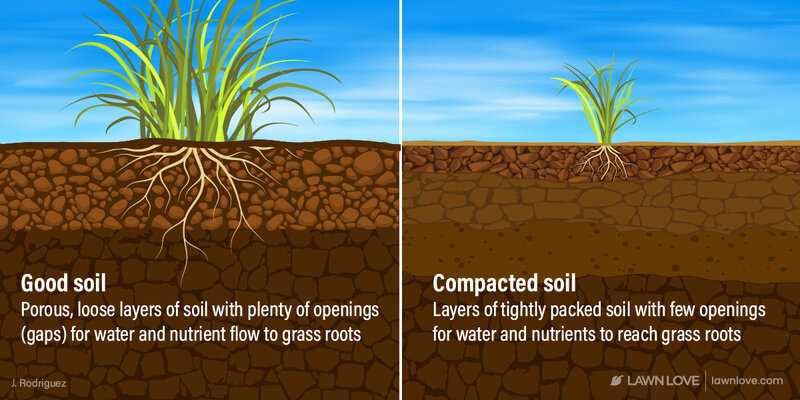
If you suspect that your soil is compacted, there are a few quick tests you can do to confirm your suspicion. Start by noticing how easily you can insert a garden fork or a screwdriver into the ground; if it’s difficult, that’s a sign of compaction. Another way to tell is by observing water drainage—if water pools on the surface and doesn’t soak in, your soil may be too dense. You can also check if your plants are struggling to grow; compacted soil hampers root development. Understanding the signs of compacted soil is essential for maintaining a healthy garden or landscape. In this article, we’ll delve deeper into how to identify compacted soil and suggest ways to remedy the situation.

“`html
How To Tell Compacted Soil
Determining if soil is compacted is essential for any gardener or property owner. Compacted soil can hinder plant growth and lead to poor drainage. In this section, we will explore various methods and signs to help you identify compacted soil effectively.
Understanding Soil Compaction
Soil compaction occurs when soil particles are pressed together, reducing the space between them. This reduces the soil’s ability to hold air and water. Compaction typically happens due to heavy rainfall, traffic from machinery, or foot traffic. Understanding what causes soil to become compacted can help you take preventive measures.
Why Soil Compaction Matters
Compacted soil can lead to several issues, including:
- Reduced root growth
- Poor water drainage
- Increased erosion
- Decreased nutrient availability
Recognizing and addressing compacted soil can improve the health and productivity of your garden or lawn.
Signs of Compacted Soil
Several signs indicate your soil may be compacted. Observing these can help you determine the health of your garden.
1. Difficulty Digging
If you’re struggling to dig in your garden, this may be a sign of compacted soil. It should be relatively easy to break the soil with a shovel or trowel. If you find yourself exerting excessive effort, the soil likely has compacted layers.
2. Water Puddles
After rainfall, observe how quickly water drains into the soil. If water pools or runs off instead of soaking in, this indicates compacted soil. Good soil should absorb water efficiently without standing puddles.
3. Poor Plant Growth
Plants struggling to grow may signal compacted soil. If your plants appear stunted or unhealthy, check the soil structure. Compacted soil limits root expansion and nutrient access.
4. Cracked Surface
In dry conditions, cracked soil surfaces can suggest compaction. The cracks form as the soil shrinks, often a sign that the ground is too dense for proper moisture retention.
How to Test for Compacted Soil
While visual signs are helpful, performing a few tests can provide a clearer answer about soil compaction.
1. The Screwdriver Test
One simple method is the screwdriver test.
- Take a standard screwdriver.
- Try to push it into the soil.
If it goes in easily, your soil is likely not compacted. If it’s challenging, you may have compaction issues to address.
2. Soil Percolation Test
Another effective test is the soil percolation test.
- Dig a hole about 12 inches deep and wide.
- Fill it with water and mark the starting water level.
- Check the water level after one hour.
If the water level drops slowly, your soil may be compacted.
Preventing Soil Compaction
Taking steps to prevent soil compaction can save you trouble in the long run. Here are practical strategies to help maintain healthy soil structure.
1. Limit Heavy Traffic
Try to limit foot and vehicle traffic on your garden. Walking in the same spots repeatedly puts pressure on the soil, increasing the chances of compaction. Use designated paths to reduce this effect.
2. Use Mulch
Applying mulch can help protect soil from compaction. Mulch absorbs water and protects the soil from heavy rains. It also promotes healthy soil conditions as it breaks down over time.
3. Aerate Your Soil
Regular soil aeration can relieve compaction. Use a garden fork or aerator to create holes in the soil, allowing air, water, and nutrients to penetrate deeper. Aim to aerate your lawn once or twice a year.
Fixing Compacted Soil
If you’ve already discovered compacted soil, don’t worry! There are several methods to fix it and restore the soil’s health.
1. Deep Tillage
Deep tillage involves breaking up compacted layers with a rototiller or plow. This can help loosen the soil and allow for better air and water penetration. However, be careful not to disturb beneficial organisms living in the soil.
2. Adding Organic Matter
Incorporating organic matter like compost can enhance soil structure. Organic matter improves aeration and water retention, helping to alleviate compaction issues. Mix it into the top layer of soil for the best results.
3. Use Cover Crops
Planting cover crops can also improve soil health. Cover crops prevent erosion and add nutrient value when they decompose. They can help break up compacted soil naturally.
Long-term Maintenance
Maintaining loose, healthy soil requires ongoing effort.
1. Regular Testing
Consider testing your soil regularly to monitor its condition. Soil tests can help you understand nutrient levels and compaction issues, guiding your gardening practices.
2. Mulching and Composting
Continue to use mulch and compost regularly. Incorporating organic material enriches the soil, supporting better structure and drainage.
3. Crop Rotation
Practice crop rotation in your garden. Rotating crops can help maintain soil health, as different plants support different nutrient needs and soil structures.
Signs to Watch For
Keeping an eye on your garden can help you catch compaction issues early. Look for these warning signs:
- Plants wilting despite adequate watering
- Frequency of pest infestations
- Decreased flower and fruit production
Noticing these signs early can save your plants and soil health.
Recognizing and addressing compacted soil is crucial for any gardener or landowner. By understanding the signs, testing methods, and solutions to manage soil compaction, you can maintain a thriving garden or lawn. A focus on prevention and long-term strategies will ensure a healthy environment for your plants to flourish.
Taking care of your soil leads to a vibrant garden, happier plants, and a more productive growing season. With simple practices, you can ensure that your soil remains in excellent condition, ready to support whatever you decide to grow.
“`
Do You Know if Your Soil is Compacted?
Frequently Asked Questions
“`html
What are the visual signs of compacted soil?
Visual signs of compacted soil often include a lack of plant growth, sparse grass, and bare patches in your yard or garden. You may also notice that the soil has a hard, crusty surface and does not absorb water easily, causing puddles to form after rain. Additionally, the presence of cracks in the soil can indicate compaction beneath the surface.
How does compacted soil affect plant health?
Compacted soil restricts root growth and makes it difficult for plants to access essential nutrients and water. Without proper aeration, roots struggle to absorb oxygen, leading to poor plant health. This can result in stunted growth, wilting, and increased susceptibility to diseases and pests.
What tools can I use to test soil compaction?
You can use a soil probe or auger to assess the soil’s density. By inserting the tool into the ground, you can feel the resistance, which indicates compaction. A penetrometer is another useful tool that measures the force needed to push a rod into the soil, helping you determine the level of compaction in specific areas.
How can I prevent soil compaction in my garden?
To prevent soil compaction, avoid walking on garden beds when the soil is wet. Use designated pathways and keep heavy equipment off the soil as much as possible. Additionally, consider adding organic matter such as compost to improve soil structure and aeration. Regularly rotating crops can also help maintain healthy soil conditions.
Are there any signs of compacted soil when digging?
While digging, you may encounter resistance or difficulty in breaking through the soil. Compacted soil often feels dense and heavy, making it harder to dig. If you notice a consistent struggle while using a shovel or spade, it likely indicates compaction in that area.
“`
Final Thoughts
Compacted soil can hinder plant growth and lead to poor drainage. To tell compacted soil, check for hard, dense layers that resist penetration. Observing reduced root development and water pooling on the surface are also clear signs.
Testing soil with a soil probe or digging a small hole can provide insight into its condition. Regularly assessing your soil helps maintain a healthy garden or yard. Understanding How To Tell Compacted Soil ensures you can take appropriate steps to remedy these issues.