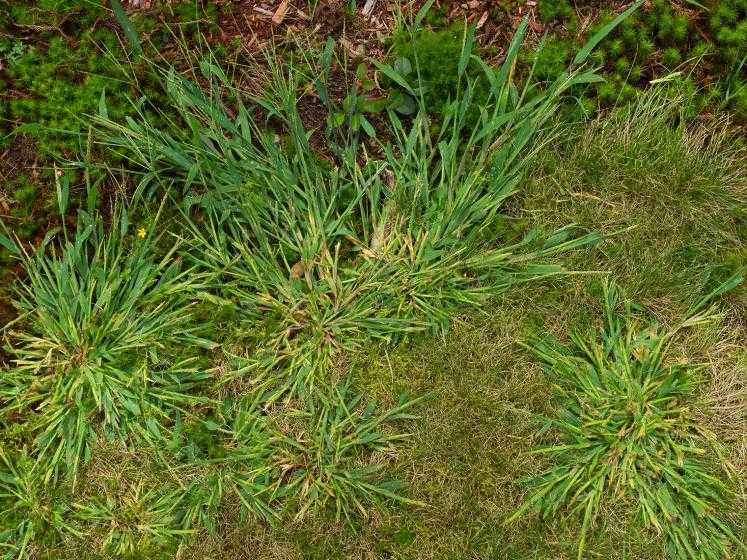
Quick Answer: To stop crabgrass from growing, it is important to take preventative measures and maintain a healthy lawn. Regular mowing, proper watering, and regular fertilization can help create a dense turf that will prevent crabgrass seeds from germinating. Additionally, applying pre-emergent herbicides in early spring can prevent the growth of crabgrass.
Introduction:
Crabgrass. Just the name is enough to make any gardener cringe. This invasive weed has a knack for taking over lawns and ruining all the hard work you’ve put into maintaining a beautiful yard. But fear not! With a little knowledge and some preventive measures, you can stop crabgrass from growing and reclaim your lawn.
So, what’s the secret to banishing this pesky plant? It all starts with creating a healthy lawn. By regularly mowing your grass at the proper height and watering it deeply and infrequently, you’ll promote the growth of a dense turf that is less susceptible to crabgrass invasion. Fertilizing your lawn regularly will also help in this regard.
However, sometimes even the healthiest of lawns can fall victim to crabgrass. That’s where pre-emergent herbicides come into play. These specialized products can be applied in early spring, before crabgrass seeds have a chance to germinate, effectively preventing their growth.
So, if you’re tired of battling crabgrass year after year, follow these tips and reclaim your lawn from this pesky weed. Your yard will thank you!

How to Stop Crabgrass from Growing
Introduction
Crabgrass can be a persistent and frustrating lawn weed that takes over your beautiful green grass. This invasive weed can quickly spread and dominate your lawn if left uncontrolled. However, with the right strategies and techniques, you can effectively stop crabgrass from growing and reclaim your lawn’s health and beauty.
Understanding Crabgrass
Before we delve into the methods to stop crabgrass, it’s important to understand what exactly it is and how it thrives. Here are some key facts about crabgrass:
- Crabgrass is an annual weed that germinates from seeds each year.
- It typically starts growing in late spring or early summer when soil temperatures reach around 55°F (13°C).
- Crabgrass prefers sunny areas and tends to thrive in poorly maintained lawns.
- It spreads rapidly through thousands of seeds that can remain dormant in the soil for several years.
Preventive Measures
Prevention is key when it comes to stopping crabgrass from taking hold in your lawn. Taking proactive steps to create an unfavorable environment for crabgrass can significantly reduce its growth. Here are some preventive measures you can implement:
1. Maintain a Healthy Lawn
A vigorous and well-maintained lawn is the first line of defense against crabgrass. Follow these lawn care practices to promote healthy grass growth:
- Mow your lawn at the appropriate height for your grass type to encourage dense growth.
- Water your lawn deeply and infrequently to promote deep root development and discourage shallow-rooted crabgrass.
- Fertilize your lawn regularly to provide essential nutrients and promote strong grass growth.
- Aerate your lawn to improve soil structure and drainage, reducing crabgrass-friendly compacted soil.
2. Proper Seeding and Overseeding
Ensuring dense grass coverage leaves little room for crabgrass to germinate and grow. Here’s how you can optimize seeding and overseeding practices:
- Choose high-quality grass seed appropriate for your climate and lawn conditions.
- Seed bare or thin areas to prevent crabgrass from filling in the gaps.
- Overseed your lawn regularly to introduce new grass varieties and outcompete crabgrass.
3. Use a Pre-Emergent Herbicide
Pre-emergent herbicides are effective in preventing crabgrass seeds from germinating. Consider the following when using pre-emergent herbicides:
- Apply the herbicide before crabgrass germination, typically in early spring.
- Read the product label carefully and follow the recommended application rates and timing.
- Water the treated area after application to activate the herbicide.
- Keep in mind that pre-emergent herbicides can also inhibit grass seed germination, so time the application accordingly.
4. Optimize Soil Conditions
Creating a healthy and balanced soil environment can help discourage crabgrass growth. Consider the following soil optimization techniques:
- Conduct a soil test to determine nutrient deficiencies and pH levels.
- Amend the soil with organic matter to improve its structure and fertility.
- Adjust soil pH levels if necessary to promote optimal grass growth.
- Ensure proper soil drainage to prevent waterlogging and weed-friendly conditions.
Control Methods
In addition to preventive measures, employing control methods can further help suppress crabgrass growth. Here are some effective techniques to control existing crabgrass:
1. Hand Pulling
For isolated crabgrass plants or small patches, hand pulling can be an effective control method. Follow these steps for successful hand pulling:
- Moisten the soil to ease the removal process.
- Grasp the crabgrass plant as close to the ground as possible.
- Gently pull upward while ensuring you remove the entire root system.
- Dispose of the pulled crabgrass in a sealed bag to prevent reseeding.
2. Spot Treatments
Spot treatments can be useful for controlling larger areas of crabgrass. Consider the following spot treatment options:
- Use a post-emergent herbicide specifically designed for crabgrass control.
- Apply the herbicide directly to the crabgrass foliage, following the product instructions.
- Ensure the herbicide is labeled as safe for use on your grass type.
- Take caution not to overspray and damage desirable grass.
3. Professional Lawn Care Services
If crabgrass infestation persists or becomes overwhelming, seeking professional lawn care services can offer effective solutions. Professional providers have access to specialized techniques, equipment, and herbicides to tackle stubborn crabgrass issues.
By implementing preventive measures, optimizing soil conditions, and utilizing control methods when necessary, you can successfully stop crabgrass from growing in your lawn. Remember that consistent maintenance and regular monitoring are crucial for long-term crabgrass control. With patience and persistence, you can have a lush, crabgrass-free lawn to enjoy throughout the seasons.
How to Get Rid of Crabgrass (4 Easy Steps)
Frequently Asked Questions
How can I prevent crabgrass from growing in my lawn?
To prevent crabgrass from growing in your lawn, there are several measures you can take:
What is the best time to apply a pre-emergent herbicide for crabgrass prevention?
The best time to apply a pre-emergent herbicide for crabgrass prevention is in early spring, before the soil temperature reaches around 55 degrees Fahrenheit. This typically coincides with the blooming of forsythia or the emergence of lilac leaf buds in your area.
What are some cultural practices that can help stop crabgrass growth?
Implementing certain cultural practices can help inhibit the growth of crabgrass in your lawn:
- Maintain a proper mowing height of 2.5 to 3 inches to shade the soil and prevent crabgrass seeds from germinating.
- Aerate your lawn to improve soil drainage and promote healthy grass growth, as dense and compacted soil can encourage crabgrass development.
- Overseed your lawn with desirable grass species to fill in bare areas and reduce space for crabgrass to establish.
- Water deeply but infrequently to encourage deep root growth of your lawn grass while suppressing crabgrass growth.
Can I manually remove crabgrass from my lawn?
Yes, you can manually remove crabgrass from your lawn. Carefully dig out the crabgrass clumps using a hand tool or by hand, making sure to remove the entire plant, including the roots. Dispose of the crabgrass properly to prevent reseeding.
Is it necessary to fertilize my lawn to control crabgrass?
Fertilizing your lawn is not directly related to crabgrass control. However, maintaining a healthy, well-nourished lawn can help prevent crabgrass invasion. Balanced fertilization programs that provide essential nutrients to your grass can encourage its growth, making it more competitive against crabgrass.
Are there any natural or organic methods to prevent crabgrass growth?
Yes, there are natural and organic methods you can try to prevent crabgrass growth. Some options include:
- Hand-pulling crabgrass regularly to prevent it from going to seed.
- Applying a layer of organic mulch to smother crabgrass seeds and discourage their germination.
- Using corn gluten meal as a pre-emergent herbicide, as it can inhibit crabgrass seed germination.
- Promoting a dense and healthy lawn by providing proper watering, mowing, and fertilization.
Final Thoughts
To stop crabgrass from growing, there are several effective methods you can implement. Firstly, ensure proper lawn maintenance by regularly mowing and watering your grass to encourage healthy growth and a dense turf. Additionally, applying a pre-emergent herbicide in early spring can prevent crabgrass seeds from germinating. Hand-pulling young crabgrass plants as soon as they appear can also help eliminate them before they spread. Finally, overseeding your lawn with a high-quality grass seed mixture can help fill in any bare spots, reducing the opportunity for crabgrass to take hold. By following these steps consistently, you can effectively halt the growth of crabgrass in your lawn.