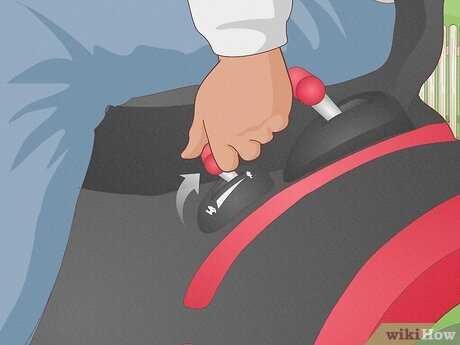
To start a riding lawn mower with a choke, turn the choke lever to the full or “closed” position, engage the safety features, and then turn the key or push the start button. Once the engine fires up, gradually move the choke to the open position to allow the engine to warm up smoothly.
If your riding mower needs a choke to start, begin by setting the choke to its closed position. Crank the engine until it starts, then slowly open the choke as the engine warms. This process helps the engine run smoothly and prevents stalling.
Starting a riding mower with a choke might seem tricky at first, but it’s straightforward once you understand the steps. When the engine is cold, using the choke helps the fuel-air mixture ignite more easily, ensuring a quick start. Keep in mind to set the choke correctly, start the engine, and then gradually open the choke once it’s running. This simple technique will have your mower ready to go in no time, making lawn care less of a chore.

How to Start a Riding Lawn Mower with a Choke
Understanding the Role of the Choke in Starting Your Mower
The choke on your riding lawn mower helps control the flow of air into the carburetor. When the engine is cold, closing the choke creates a richer fuel mixture, making it easier to start. Knowing how to properly operate the choke is essential for smooth starts, especially in colder weather.
Types of Chokes in Riding Lawn Mowers
Most riding mowers feature one of two types of chokes: manual or automatic.
- Manual Choke: Requires you to manually move a lever or knob to open or close the choke.
- Automatic Choke: Uses a thermostat or electric sensor to adjust itself based on engine temperature.
Knowing which type your mower has will help you follow proper starting procedures.
Pre-Starting Checks Before Using the Choke
Before engaging the choke, ensure the following are in order:
- The mower has enough fuel and the tank is clean.
- The oil level is adequate and the engine is not overheated.
- The parking brake is engaged for safety.
- The blades are disengaged to prevent accidental movement.
Doing these checks reduces the risk of issues during startup.
Step-by-Step Guide to Starting a Mower with a Choke
Follow these steps carefully for the best results:
- Ensure the mower is in a level position and turned off.
- Set the throttle to the “Start” or “Fast” position.
- Locate the choke control on your mower’s dashboard or panel.
- Pull or move the choke lever to the “Full” or “Closed” position for a cold start.
- Hold the brake pedal or engage the parking brake if applicable.
- Insert the key into the ignition and turn it to the “Start” position.
- If your mower has a primer bulb, press it several times to inject fuel into the carburetor.
- Once the engine turns over, keep the key in the “Start” position until the engine begins running.
- Immediately after the engine starts, gradually move the choke control to the “Open” or “Run” position.
- Release the key once the engine is running smoothly and the choke is fully open.
- Adjust the throttle to a steady idle to keep the engine running efficiently.
Tips for Troubleshooting Starting Problems
If your mower does not start smoothly, check the following:
- Ensure the choke was fully engaged during cold starts.
- Verify there is enough fuel and no fuel line blockages.
- Inspect the spark plug for wear or damage and replace if necessary.
- Make sure the air filter is clean and unobstructed.
- If the engine sputters, try adjusting the choke gradually instead of all at once.
Sometimes, starting issues are caused by a dirty carburetor or old fuel, so cleaning or replacing these parts can help.
Understanding When to Use the Choke
Use the choke only for cold starts. When the engine warms up, opening the choke allows it to run smoothly.
- If the engine stalls or runs rough once warmed, partially close the choke briefly.
- Always avoid running the mower with the choke closed for extended periods, as it can foul the spark plug or damage the carburetor.
Recognizing these signs helps prevent potential engine problems.
Additional Tips for Easy Starts
Apart from correctly operating the choke, keep these tips in mind:
- Store fuel in a clean, sealed container and avoid stale fuel.
- Regularly inspect and replace spark plugs to ensure reliable ignition.
- Maintain the air filter to maximize airflow and engine efficiency.
- Periodically check the carburetor for dirt and debris and clean if necessary.
- If your mower has a primer bulb, use it as recommended to boost starting power.
These simple maintenance routines make starting your riding mower with a choke easier and more reliable.
Related Topics: Maintaining Your Mower for Easier Starts
Proper maintenance improves starting performance significantly.
Cleaning the Carburetor
A dirty carburetor can cause starting problems even with correct choke operation. Remove and clean it using a carburetor cleaner, especially if you notice poor idling or sputtering.
Replacing Old Fuel and Spark Plugs
Old fuel can cause starting issues. Drain stale fuel and refill with fresh gasoline. Also replace worn-out spark plugs to improve ignition.
Adjusting the Carburetor
If your mower is difficult to start, adjusting the carburetor’s idle screw may help. Consult your mower’s manual for specific instructions on making these adjustments.
Storing Your Mower Properly
When not in use, store your mower in a dry, sheltered area. Drain or stabilize fuel if the mower will sit unused for extended periods, preventing gum and varnish buildup.
Learning how to start a riding lawn mower with a choke involves understanding the choke’s purpose, proper operation, and maintenance. Always remember to set the choke correctly during cold starts, and gradually open it as the engine warms. Regular maintenance ensures your mower starts easily and runs smoothly, making yard work less stressful. Using these tips will help you operate your mower efficiently and extend its lifespan.
Simplicity Courier Easy Auto Choke Start up
Frequently Asked Questions
What steps should I follow before starting a riding mower with a choke?
Before starting your riding mower with a choke, inspect the engine area for debris and ensure the mower is on a flat surface. Check the oil level and add oil if necessary. Make sure the fuel tank has enough fresh gasoline, as old fuel can cause starting problems. Confirm that the blades are disengaged and that safety features, like the parking brake, are engaged. This preparation helps ensure smooth engine operation and reduces the risk of issues during startup.
How do I operate the choke to start my riding mower?
Start by locating the choke control, which is usually a lever or knob near the engine. Move the choke to the full or closed position to restrict airflow and enrich the fuel mixture. Turn the ignition key or press the start button to engage the engine. Keep holding the key or button while the engine begins to fire up. Once the engine runs steadily, move the choke to the open or run position to allow normal airflow and keep the engine running smoothly.
What should I do if the mower doesn’t start after engaging the choke?
If your mower doesn’t start with the choke engaged, double-check that you moved the choke to the open position after initial starting. Confirm that there is enough fresh fuel and that the spark plug is clean and properly connected. Inspect for any fuel blockages or clogged air filters. If the engine still doesn’t start, it might require additional maintenance, like replacing the spark plug or cleaning the carburetor, to ensure proper fueling and ignition.
How can I prevent flooding the engine when starting with a choke?
To avoid flooding, start the engine with the choke fully engaged and avoid repeatedly trying to start it if it doesn’t catch immediately. If the engine seems flooded, turn the choke to the open position, wait a few moments for excess fuel to evaporate, and then try starting again with the choke in the open position. Ensure that you don’t press the throttle pedal excessively while attempting to start, as this can also cause flooding.
When should I move the choke from closed to open during startup?
Move the choke from the closed to the open position once the engine begins to run steadily and shows signs of smooth operation, usually after a few seconds to a minute. Keeping the choke closed longer than necessary can cause the engine to run rich, leading to poor performance or stalling. Transitioning to open allows the engine to operate optimally in normal conditions.
Final Thoughts
To start a riding lawn mower with a choke, first ensure the mower is in the off position. Move the choke lever to the “full choke” setting to help start a cold engine. Turn the ignition key to the “on” position and then engage the starter. Once the engine fires, gradually move the choke to the “off” position as the engine warms up, ensuring smooth operation. Practicing these steps will make starting your mower with a choke quick and simple every time.