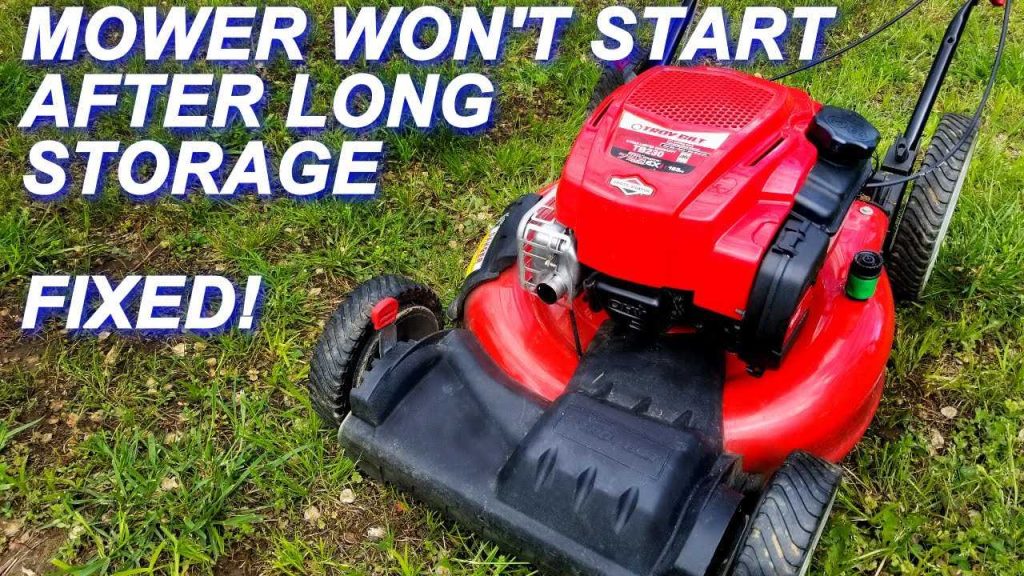
To get your push lawn mower up and running after winter, start by inspecting the spark plug and fuel tank, replacing any old fuel, and checking the oil level. Clean or replace the air filter, and ensure the blades are sharp and free of debris. Once everything is in order, attempt to start the mower with a full tank of fresh fuel and a properly maintained spark plug.
Starting a push mower after winter doesn’t have to be stressful—just a few simple steps can have you mowing in no time. First, give your mower a visual check for any damage or rust, then replace or top off necessary fluids. Clear out the debris and old fuel, and make sure the spark plug is clean. With a fresh start, pull the starter cord, and your mower should roar back to life smoothly. Proper maintenance now will keep your mower running efficiently and extend its lifespan.

How to Start a Push Lawn Mower After Winter
Starting a push lawn mower after a long winter break can seem tricky, but with the right steps, it becomes a simple process. Cold months often cause fuel and oil to degrade, and parts may seize up if not stored properly. Knowing what to do helps get your mower running smoothly again, ready for a fresh season of lawn care.
Assessing Your Mower Before Starting
Before attempting to start your mower, take a close look at it. Check for any visible signs of damage, rust, or dirt buildup. Ensuring your mower is in good shape saves time and prevents damage during startup.
Make sure the mower’s blade is free of debris, grass, or rust, which can hinder operation. Also, examine the air filter, spark plug, and fuel cap for any signs of wear or dirt. Clearing these areas can improve starting performance.
Gather Necessary Tools and Supplies
Having the right tools makes the process easier. You will need a few basic items:
- Fresh fuel (if old fuel has been left in the tank)
- Fresh oil (if oil needs changing)
- Screwdriver or wrench for any adjustments
- Clean rags for wiping parts
- Protective gloves for safety
A clean workspace helps keep track of parts and tools, ensuring nothing gets lost during maintenance.
Step 1: Drain Old Fuel and Add Fresh Gasoline
Fuel degrades over winter, which makes starting difficult. If you find fuel in your tank that’s more than a few months old, drain it completely. Use a siphon or open the fuel cap to pour out the old gasoline.
Refill the tank with fresh, unleaded gasoline rated suitable for small engines. Using fresh fuel helps the engine run smoothly and reduces sputtering or stalling issues.
Step 2: Change or Check the Oil
Proper oil levels are essential for engine health. Before starting, check the oil level using the dipstick or oil window. If the oil appears dark or gritty, drain it and replace it with new oil recommended by your mower’s manufacturer.
Regular oil changes help prevent engine overheating and prolong the lifespan of your mower. A clean oil supply ensures the engine’s moving parts are properly lubricated.
Step 3: Inspect and Clean the Spark Plug
The spark plug ignites the fuel-air mixture in the engine. Remove the spark plug using a wrench and inspect it for signs of wear or corrosion. A dirty or worn spark plug can prevent the engine from starting.
If necessary, clean the spark plug with a wire brush or replace it with a new one for reliable ignition. Make sure the spark plug gap matches the specifications listed in your user manual.
Step 4: Check the Air Filter
The air filter prevents dirt from entering the engine. Remove and inspect it for dirt, debris, or damage. A clogged air filter can restrict airflow, making starting and running the mower difficult.
If the filter looks dirty or clogged, clean it if it’s reusable, or replace it if it’s a paper filter. A clean air filter ensures proper airflow for combustion efficiency.
Step 5: Prime the Engine and Check the Fuel System
Many mowers have a primer bulb that helps draw fuel into the carburetor. Press the primer bulb several times to saturate the carburetor with fuel, especially if the mower has been stored unused for months.
Inspect the fuel lines for cracks or leaks and replace them if needed. Ensure the fuel cap vent is clear so that fuel flows smoothly into the tank.
Step 6: Adjust the Blade and Safety Features
Make sure the blade is securely attached and doesn’t wobble. Dull or loose blades can cause uneven cuts or safety risks. Sharpen or replace the blade if necessary.
Check the safety features, such as the blade engagement lever and throttle control, to confirm they are working correctly. These components prevent accidents during operation.
Step 7: Start the Mower
Most push mowers are started manually by pulling the recoil cord. Hold the handle firmly and pull the cord steadily until the engine begins to run. Do not yank the cord too hard to prevent damage.
If your mower has a choke, set it to the “start” position before pulling, then move it to the “run” position once the engine catches. If it doesn’t start after a few pulls, recheck previous steps for possible issues.
Additional Tips for Easy Starting
To improve your chances of a successful start, follow these tips:
- Ensure the mower is on a flat, stable surface.
- Engage the throttle to a fast or “start” position.
- If the engine floods, wait a few minutes before trying again.
- Always follow safety precautions and wear gloves and goggles.
Maintenance and Troubleshooting
Regular Maintenance Tips
Keep your mower in top shape by performing regular maintenance. Change the oil every season, clean or replace the air filter, and inspect the spark plug regularly.
Sharpen the blade at least once per season or as needed for best cutting results. Proper maintenance prevents issues that might delay starting the mower after winter.
Troubleshooting Common Starting Problems
| Issue | Possible Cause | Solution |
|---|---|---|
| Engine won’t start | Old fuel or clogged carburetor | Drain old fuel and clean carburetor |
| Engine stalls after starting | Dirty air filter or spark plug | Clean or replace air filter and spark plug |
| Engine runs rough | Incorrect oil level or damaged blade | Check oil level and sharpen or replace blade |
Storing Your Mower Properly for Next Year
After use, clean your mower and empty any remaining fuel to prevent tank corrosion. Store in a dry, sheltered space to protect it from rust and weather damage.
Perform seasonal maintenance such as oil changes and blade sharpening before storing. Proper storage keeps your mower ready for the next mowing season.
By following these detailed steps, you can ensure your push lawn mower starts easily after the winter months. Keeping your mower well-maintained and properly prepared helps you achieve a healthy, well-kept lawn all season long.
Top Reasons Lawn Mower Not Starting — Lawn Mower Troubleshooting
Frequently Asked Questions
What steps should I take to inspect my push mower before starting it after winter?
Start by checking the overall condition of your mower. Look for any signs of rust, corrosion, or damage to the blades and engine components. Remove any old grass or debris from the mower deck and air filter area. Inspect the spark plug for corrosion or wear, and replace it if necessary. Additionally, examine the fuel tank for stale or contaminated fuel, and drain it if it hasn’t been used for months. Ensure all moving parts are lubricated properly before attempting to start the mower.
How can I prepare the fuel system of my lawn mower after a long period of inactivity?
Drain the old fuel from the tank, as stale gasoline can cause starting issues. If you have fresh fuel available, fill the tank with new, high-quality gasoline mixed with the recommended oil if your mower has a two-stroke engine. For four-stroke engines, use clean, fresh gasoline without oil mixed in. Check the fuel lines for cracks or leaks and replace them if necessary. Adding a fuel stabilizer to the new fuel can help maintain its freshness during the mowing season.
What is the proper way to prime and start my mower after winter storage?
Locate the primer bulb on your mower, if available. Press the bulb several times to draw fuel into the carburetor, following the manufacturer’s instructions. Set the choke to the ‘on’ or ‘closed’ position. Hold the mower firmly on a flat surface and pull the starter cord steadily. If the engine doesn’t start after a few pulls, check the spark plug and fuel supply. Once the engine starts, gradually open the choke to prevent stalling and allow it to warm up before mowing.
Should I perform any maintenance on the blades before using my mower again?
Yes, inspect the blades for dullness, rust, or damage. Sharpen or replace them if they appear dull or damaged to ensure a clean cut. Remove the blades carefully and clean off any grass buildup or debris. Balance the blades after sharpening to prevent vibrations during operation. Properly securing the blades back onto the mower helps maintain safety and efficiency during mowing sessions.
How do I ensure the engine runs smoothly after winter storage?
Once the mower starts, let it run for a few minutes to warm up. Check for any unusual noises or vibrations and listen for irregular engine sounds. Adjust the throttle to see if the engine responds properly. If you notice issues, such as rough idling or surging, clean or replace the air filter and check the spark plug. Performing regular maintenance, like changing the oil and cleaning the carburetor, helps keep the engine running smoothly throughout the season.
Final Thoughts
To start a push lawn mower after winter, first check the fuel system and replace old gasoline. Clean or replace the spark plug to ensure proper ignition. Set the choke to the “start” position and gently pull the starter cord.
Following these steps makes starting your mower easier and prevents damage. Remember, enduring winter storage requires some maintenance to get your equipment running smoothly again. With these actions, you should have no trouble starting your mower after winter.