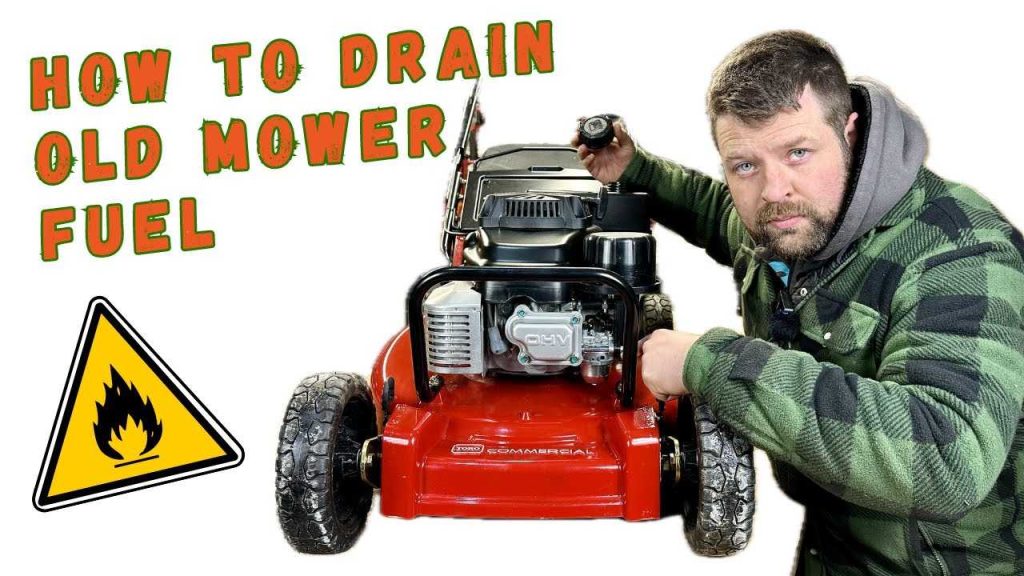
To start a lawn mower with old gas, first drain the outdated fuel, then add fresh gasoline and a bit of engine oil if necessary. Prime the carburetor, ensure the spark plug is clean, and give it a pull to start. With a few simple steps, your mower will run smoothly again!
If you’re trying to start a lawn mower with old gas, the key is to remove the stale fuel and replace it with fresh gasoline to prevent engine clogging. Cleaning or replacing the spark plug and checking the carburetor will also help ensure reliable startup. This quick fix can save you time and money instead of replacing the entire mower.
Using old gas in your lawn mower can be a real headache, especially if it’s been sitting in the tank for months. Over time, gasoline breaks down and creates deposits that clog fuel lines and carburetors, making it tough for the engine to run properly. But don’t worry — with some simple steps, you can get your mower back in action without much hassle. The trick is to remove the old fuel, clean or replace key components, and add fresh gasoline. In this guide, I’ll walk you through how to start your lawn mower with old gas safely and effectively, so you can enjoy a lush, well-maintained lawn without unnecessary repairs or expenses.

How to Start a Lawn Mower with Old Gas
Understanding the Problem with Old Gas
Old gas can cause many issues when starting your lawn mower. Over time, gasoline loses its potency, which can make it difficult for the engine to start. If your mower hasn’t been used for a while, the old fuel might have degraded, turning into a sticky, gum-like substance that clogs the carburetor and fuel lines. Knowing how to handle this situation is key to getting your mower running smoothly again.
Assessing the Gas Quality
Before attempting to start your mower, check the gasoline in the tank. Fresh gasoline is typically clear and has a slight smell of fuel. Old or degraded gas may look darker, cloudy, or have sediment settled at the bottom. If the gas looks or smells off, it’s best to replace it to prevent engine problems. Using fresh fuel can save you time and avoid potential damage.
Draining Old Gas Safely
To remove old, degraded fuel, follow these steps:
- Turn off the mower and disconnect the spark plug wire for safety.
- Use a siphon pump to draw out the old gas into a suitable container. You can also carefully tilt the mower to pour out the fuel into a container.
- Make sure to do this in a well-ventilated area away from flames or sparks.
Proper disposal of old gasoline is important. Take it to a local hazardous waste disposal site to keep the environment safe.
Replacing Old Gas with Fresh Fuel
Once the old gas is removed, fill the tank with fresh, high-quality gasoline. Use fuel with the appropriate octane rating as recommended by your mower’s manufacturer. Adding a fuel stabilizer can help keep new gas fresh for longer periods.
Adding Fuel Stabilizer
Using a fuel stabilizer can prevent gas from degrading quickly, especially if you don’t mow often. Mix the stabilizer with the new fuel according to the instructions on the bottle before pouring it into the tank. This simple step can make future starts easier and extend the life of your engine.
Checking the Spark Plug and Air Filter
A clean spark plug and air filter are vital for easy starting. Remove the spark plug and inspect it for wear or carbon buildup. Clean or replace it if necessary. Also, check the air filter—if dirty or clogged, clean or replace it to ensure proper airflow.
Cleaning or Replacing the Spark Plug
Use a wire brush or spark plug cleaner to remove deposits. If the spark plug has excessive wear or damage, replace it with a new one. Properly gapped spark plugs improve ignition and engine performance.
Maintaining the Air Filter
Remove the air filter and tap out dirt or wash it if it’s a foam filter—let it dry completely before reinstalling. A clean filter allows better airflow, which helps the engine start more easily.
Preparing the Mower for Starting
Before starting, make sure that the choke and throttle are set correctly. Usually, for cold starts, set the choke to the “closed” position for a richer fuel mixture. Keep the throttle at a mid-range setting to provide enough air and fuel for ignition.
Checking the Fuel Line and Carburetor
Inspect the fuel lines for cracks or blockages. If fuel isn’t flowing freely, clean or replace the lines. Sometimes, old, gummed-up carburetors need cleaning to allow fuel to reach the engine properly.
Starting the Lawn Mower
Now, you’re ready to start the mower. Follow these steps:
- Ensure the mower is on a flat surface.
- Open the choke fully for a cold start.
- Move the throttle to the “start” or “fast” position.
- Pull the recoil starter firmly and steadily.
- If the engine sputters, gradually move the choke to the “run” position to keep it going.
Dealing with a Difficult Start
If the engine doesn’t start after several pulls:
- Double-check the fuel supply and make sure the tank has fresh fuel.
- Inspect the spark plug again, ensuring it fires properly.
- Clean the carburetor if necessary, which involves removing and soaking parts in carburetor cleaner.
- Ensure the air filter is clean and unobstructed.
Persistence and proper maintenance are often the keys to a successful start.
Using Additional Techniques for Troubleshooting
Sometimes, old gas causes stubborn starting issues. Here are additional tips:
- Squirt a small amount of engine oil into the cylinder: This can lubricate the piston and help with compression.
- Pull the starter cord slowly first: This helps clear the engine without flooding it with fuel.
- Check the spark plug gap: Proper gap ensures good ignition.
Preventative Measures for Future Use
To keep your mower running smoothly in the future:
- Drain or run the fuel out at the end of each mowing season.
- Add fuel stabilizer to prolong fuel shelf life.
- Regularly replace or clean the air filter and spark plug.
- Schedule carburetor cleaning if your mower hesitates or stalls.
Summary of Key Tips
| Tip | Benefit |
|---|---|
| Use fresh fuel or add stabilizer | Ensures quick, reliable starts |
| Clean or replace spark plug and air filter | Improves engine performance |
| Drain old gas completely | Prevents clogging and gumming |
| Inspect and clean carburetor | Maintains proper fuel flow |
| Follow proper starting steps | Saves time and prevents engine damage |
Related Topics
- How to maintain a lawn mower for optimal performance
- Best fuel stabilizers for outdoor equipment
- Signs your lawn mower needs repair
- How to clean a carburetor
- Tips for storing your lawn mower during winter
This comprehensive guide helps you understand every step involved in starting a lawn mower with old gas. By following these detailed instructions, you can restore your mower’s efficiency and extend its lifespan. Proper maintenance and using fresh fuel save you time, money, and frustration when keeping your yard looking neat.
How To Start A Mower That’s Been Sitting
Frequently Asked Questions
What steps should I take to prepare my lawn mower for starting with old gas?
Begin by inspecting the gas tank for sediment or debris that may have settled at the bottom. Drain the old fuel completely to prevent it from clogging the carburetor. Clean or replace the air filter and spark plug to ensure proper engine function. Once you’ve removed the old gas and cleaned necessary parts, refill the tank with fresh gasoline. This preparation helps improve ignition and overall performance when starting the mower.
Is it advisable to add a fuel stabilizer or additive before using old gas?
Adding a fuel stabilizer or fuel additive can help improve the combustibility of old gas, making it easier to start your mower. Pour the additive into the gas tank according to the product instructions and let it sit for a few minutes. This can help loosen any gum or varnish buildup that may have formed, ensuring a smoother ignition process. However, be aware that stabilizers won’t fully revive severely degraded fuel, so draining and replacing old gas remains the best option.
Can I use starting fluid to help start my mower with old gas?
Using starting fluid can assist in igniting the engine, especially if the fuel mixture is poor. Spray a small amount of starting fluid into the carburetor or air intake, then try starting the mower. Be cautious not to overuse it, as excessive amounts can cause damage. Keep in mind that this method is only a temporary solution; draining the old gas and replacing it with fresh fuel will ultimately lead to better engine performance.
What common problems might prevent my mower from starting with old gas, and how can I fix them?
Clogged carburetor jets, a dirty spark plug, and stale fuel are common issues that hinder starting. To fix these, first drain the old gas and clean the carburetor thoroughly, removing any varnish or debris. Replace the spark plug if it appears worn or dirty. Refill the tank with fresh fuel, then try starting the mower again. Regular maintenance prevents these problems and ensures easier startups, even with older fuel.
Should I consider replacing the fuel in my mower after it’s been stored for a long time?
Yes, it’s best to replace stored fuel after prolonged periods to ensure reliable starting. Gasoline degrades over time, losing its combustibility and forming gum or varnish that can clog carburetor parts. Draining all old fuel and refilling with fresh gasoline will improve engine response and reduce starting difficulties. Using fresh fuel every season or after storage keeps your mower running smoothly.
Final Thoughts
To start a lawn mower with old gas, first drain the fuel tank to prevent engine damage. Next, clean or replace the spark plug to ensure proper ignition. Add fresh gasoline and prime the engine if necessary.
In conclusion, how to start a lawn mower with old gas involves draining the old fuel, refreshing the ignition components, and adding new fuel. These steps help the mower run smoothly despite the old gas, making your yard work easier and efficient.