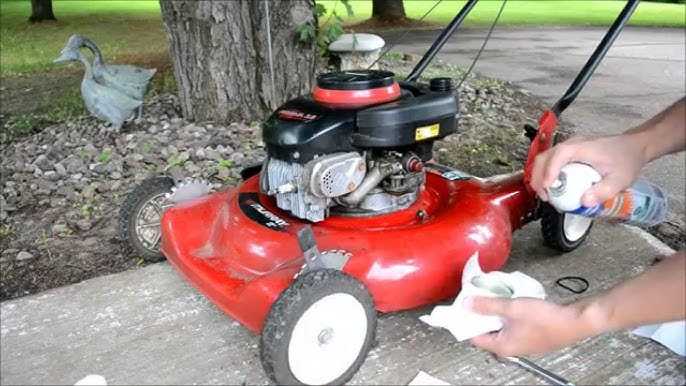
To start a lawn mower that’s been sitting idle for months, first check the fuel, spark plug, and oil levels. If everything looks good, try priming the engine and giving it a gentle pull to see if it starts. If not, cleaning or replacing the spark plug and adding fresh fuel may do the trick. Remember, a little maintenance goes a long way!
If your lawn mower hasn’t been used in a while, getting it back in action might seem daunting, but it’s often straightforward. The key is to inspect and refresh essential parts like the fuel, spark plug, and oil. Sometimes, old fuel can clog the system, so draining and replacing it helps. Cleaning the spark plug and ensuring the mower is properly lubricated can also revive a dormant machine. With a few simple steps, you can have your mower running smoothly again and ready to make your yard look its best. Don’t worry—restoring your mower isn’t as complicated as it sounds!

How to Start a Lawn Mower After a Long Time
If your lawn mower has been sitting idle for months or even years, getting it back into working condition can seem tricky. But don’t worry, with some simple steps and a little patience, you can get your mower running smoothly again. In this section, you’ll learn all the important tips to start your mower after a long break safely and effectively.
Step 1: Inspect the Mower Carefully
Before attempting to start the mower, take a close look at it. Look for any signs of damage, rust, or missing parts. Check the blades to see if they are dull or bent, and ensure that the deck is free of debris. This initial check helps you identify potential issues that could interfere with starting or operating the mower.
Check for Rust and Corrosion
Long periods of inactivity often lead to rust, especially on metal parts like the blade and deck. Light rust can be cleaned off, but heavy rust may require more attention or part replacement. Rust on the engine’s moving parts can affect performance, so inspection is key.
Examine Fuel System Components
Look at the fuel tank, fuel lines, and carburetor for any signs of old or stale fuel, leaks, or clogs. Old fuel can cause starting issues, so it’s essential to evaluate whether these parts need cleaning or replacement.
Step 2: Drain Old Fuel and Refill with Fresh Gasoline
Stale fuel is a common cause of starting issues for stored mowers. Drain any remaining old fuel from the tank to prevent clogging the carburetor and engine. Once drained, refill with fresh gasoline suitable for your mower, ideally with a fuel stabilizer added.
Why Old Fuel Causes Problems
Over time, gasoline can evaporate and leave behind varnish-like deposits, causing blockages in the fuel system. Fresh fuel ensures proper combustion, making it easier to start the mower.
Properly Dispose of Old Fuel
Never pour old fuel down drains or onto the ground. Instead, take it to a local recycling center or hazardous waste disposal site. Proper disposal keeps the environment safe and prevents fire hazards.
Step 3: Change the Oil
Old oil can become thick or contaminated over time, impairing engine performance. Drain the existing oil and replace it with fresh, manufacturer-recommended oil. This helps the engine run more smoothly and prevents damage during starting.
Check the Oil Level
After adding new oil, verify that the level is correct using the dipstick. Too much or too little oil can cause engine issues or damage.
Step 4: Inspect and Replace the Spark Plug
The spark plug ignites the fuel-air mixture in the engine. A worn or dirty spark plug can prevent starting. Remove the spark plug and examine it carefully.
Cleaning or Replacing the Spark Plug
- If the spark plug has carbon buildup or dirt, clean it with a wire brush.
- If the electrode is worn out or damaged, replace it with a new spark plug that matches your mower’s specifications.
Checking the Spark Plug Gap
Ensure the gap between the spark plug electrodes matches the manufacturer’s specifications. Proper gap size is crucial for reliable ignition.
Step 5: Check the Air Filter
A dirty or clogged air filter hampers airflow to the engine, making starting difficult. Remove the air filter and inspect it for dirt or damage.
Cleaning or Replacing the Air Filter
- If it’s a foam filter, wash it in soapy water, then let it dry completely before reinstalling.
- For paper filters, replace if they are dirty or torn.
Step 6: Examine the Carburetor
The carburetor mixes fuel and air for combustion. Old fuel or debris can clog its passages, preventing the engine from starting. Cleaning the carburetor is often necessary.
Steps to Clean the Carburetor
- Remove the carburetor following your mower’s manual instructions.
- Spray carburetor cleaner into all jets and passages.
- Use compressed air to clear blockages.
- Reassemble and reinstall the carburetor carefully.
Step 7: Check the Battery (if applicable)
If your mower uses an electric starter, ensure the battery is charged and in good condition. Connect it properly and test the starter to see if it cranks.
Jump Starting or Charging the Battery
- If the battery is dead, recharge it with a compatible battery charger.
- If it doesn’t hold a charge, consider replacing it.
Step 8: Prime and Check the Fuel System
Many mowers require priming the carburetor to ensure fuel reaches the engine. Use the primer bulb several times until you see fuel in the line. Confirm that fuel lines are free of cracks or leaks.
Inspecting Fuel Lines
- Look for swelling, cracks, or leaks.
- Replace damaged lines immediately.
Step 9: Start the Mower
Now that everything is checked and maintained, follow the starting procedure. Engage the safety lever, set the choke to the full position, and try starting the mower.
Tips for Successful Starting
- Pull the starter cord smoothly and firmly.
- If the mower doesn’t start immediately, wait a few moments and try again.
- Adjust the choke if necessary, moving it gradually from full to half or off as the engine warms up.
Additional Tips for Maintaining Your Mower
Regular Maintenance
Schedule routine checks like oil changes, blade sharpening, and cleaning after every use. Proper maintenance prevents future starting issues.
Storage Tips
Store your mower in a dry, sheltered area. Use fuel stabilizer in the tank if storing for long periods to prevent fuel deterioration.
Using Correct Fuel
- Always use fresh gasoline suitable for your mower.
- Follow the manufacturer’s recommendations for fuel mixture, especially for 2-stroke engines.
Starting a lawn mower after a long period might require some effort, but following these detailed steps ensures a safe and successful process. Regular maintenance and proper storage are key to keeping your mower ready for next season. With patience, your mower will be back to cutting grass in no time.
HOW TO START A LAWN MOWER | Life Skills
Frequently Asked Questions
What steps should I take to check the fuel system before starting my mower after a long period?
Begin by inspecting the fuel tank for any signs of old or degraded fuel. If the fuel looks cloudy or has a strange smell, drain it completely and replace it with fresh gasoline. Check the fuel lines and filter for blockages or cracks. Clean or replace the filter if necessary. Ensuring a quality fuel supply helps the engine run smoothly after extended storage.
How can I safely inspect and service the spark plug before starting my mower again?
Remove the spark plug using a spark plug socket and examine its condition. If it appears dirty, worn, or covered in carbon deposits, clean it with a wire brush or replace it. Ensure the electrode gap matches the manufacturer’s specifications. Reinstall the spark plug securely and reconnect the spark plug wire. A properly functioning spark plug is essential for reliable engine startup.
What maintenance should I perform on the carburetor after a long hiatus?
Inspect the carburetor for any signs of corrosion or debris. It may be necessary to remove and clean the carburetor using a carburetor cleaner. Pay special attention to the jets and fuel passages, making sure they are clear. If the carburetor is heavily clogged or damaged, consider replacing it to ensure proper fuel flow and engine performance.
How can I lubricate and inspect the mower’s moving parts before restarting?
Check the mower’s wheels, blades, and other moving parts for rust, debris, or dryness. Apply a suitable lubricant to moving components, such as the wheels and blade shaft, to prevent rust and ensure smooth operation. Sharpen or replace the blades if they are dull or damaged. Proper lubrication helps the mower run efficiently and extends its lifespan.
What is the best way to start my mower after it has been stored without running for many months?
Start by ensuring the mower is in a well-ventilated area and that the spark plug wire is connected. Prime the carburetor if your mower has a primer bulb, then set the choke to the appropriate position. Pull the starter cord firmly and steadily, avoiding excessive force. Once the engine starts, gradually adjust the choke and let the engine warm up before use. Regular maintenance during storage helps it start more easily later on.
Final Thoughts
Pour commencer, vérifiez la position du frein et assurez-vous que la bougie est propre. Ajoutez de l’huile fraîche si nécessaire. Enfin, vérifiez le réservoir de carburant et faites un test de démarrage.
Pour démarrer une tondeuse après une longue période, nettoyez toutes les pièces, surtout la bougie. Remplacez l’huile si elle est vieille et remplissez le réservoir. Essayez de démarrer en tirant doucement la corde.
En résumé, savoir comment start a lawn mower after a long time demande un peu de préparation. Nettoiez, vérifiez et remplacez ce qui est nécessaire. Avec ces étapes, vous pourrez redémarrer votre tondeuse en toute simplicité.