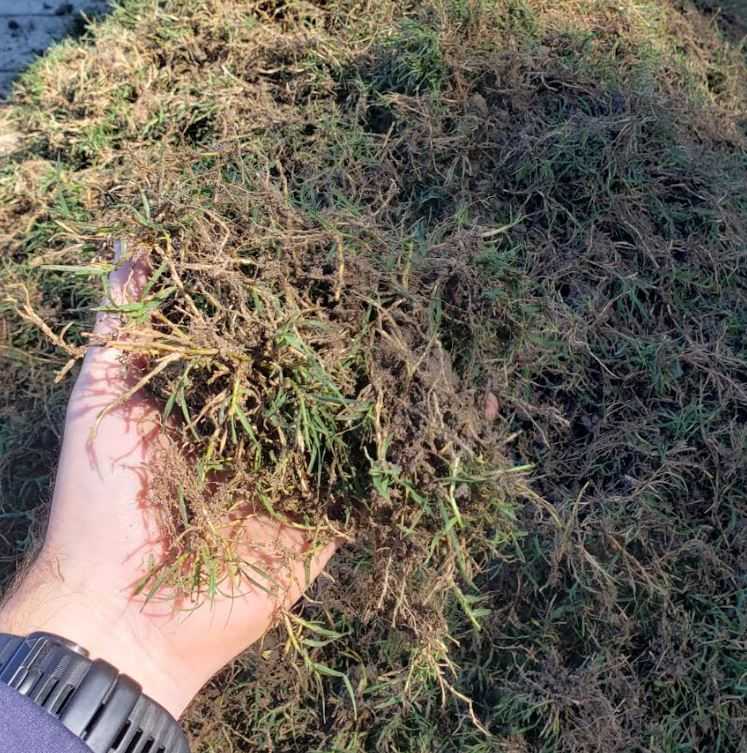
To successfully sprig Bermuda grass, start by preparing the soil, planting sprigs properly, and providing consistent watering and maintenance. With the right timing and care, you can quickly develop a lush, green lawn that thrives year-round.
The quickest way to sprig Bermuda grass is to plant healthy sprigs into well-prepared soil, keep the area consistently moist, and minimize foot traffic during the early stages. Proper preparation and ongoing maintenance will ensure your new turf establishes smoothly and quickly.
Dreaming of a dense, vibrant Bermuda lawn? It’s easier than you think! Sprigging is a cost-effective way to establish or repair your grass, especially if you want a quick, lush cover. This method involves planting small pieces of stolons or runners—called sprigs—directly into the soil. The key to success is timing (preferably during warm months), preparing the soil properly, and ensuring consistent watering. By following these simple steps, you’ll set the stage for your Bermuda grass to root and flourish, transforming your yard into a verdant oasis in no time. Whether you’re starting fresh or patching up bare spots, sprigging offers a fast and effective solution for a beautiful lawn.

How to Sprig Bermuda Grass: A Complete Guide to Establishing a Lush Lawn
Sprigging Bermuda grass is a popular way to quickly establish a dense, green lawn. This method involves planting small sections of mature Bermuda grass, known as sprigs, directly into prepared soil. With proper planning and care, you can turn a patchy yard into a beautiful, healthy lawn in just a few weeks.
Understanding Bermuda Grass and Its Benefits
Bermuda grass is a warm-season turfgrass widely used in southern regions because of its durability and drought resistance. It thrives in full sun and can handle heavy foot traffic, making it ideal for lawns, sports fields, and golf courses.
One of its biggest advantages is its quick growth rate, especially when sprigged properly. It develops a dense mat that crowds out weeds and minimizes maintenance costs. Be aware that Bermuda grass goes dormant during colder months, so its active growth period is during the warm seasons.
Preparing Your Lawn for Sprigging
Soil Testing and Amendments
Before planting Bermuda sprigs, test your soil to determine its pH and nutrient levels. Bermuda prefers soil with a pH between 6.0 and 7.0. If your soil is too acidic or alkaline, add lime or sulfur accordingly.
Amend the soil based on test results. Incorporate organic matter, such as compost, to improve soil fertility and drainage. Proper soil preparation ensures healthy root growth and successful establishment.
Clearing the Area
Remove existing grass, weeds, or debris from the area where you plan to plant the sprigs. Use a tiller or a garden rake to loosen the soil and create a smooth, level surface. This helps the sprigs establish proper contact with the soil.
Soil Leveling and Final Preparation
After clearing, rake the soil to break up clumps and level the surface. Water the area lightly to settle the soil and remove any remaining debris. Proper preparation creates an ideal environment for sprigging success.
Choosing the Right Time for Sprigging
The best time to sprig Bermuda grass is during late spring through early summer when soil temperatures are consistently above 65°F (18°C). This period promotes rapid growth and establishment.
Avoid planting during periods of drought or extreme heat, as young sprigs need consistent moisture. Proper timing ensures healthier sprigs and a quicker transition to a lush lawn.
How to Plant Bermuda Sprigs
Selecting Quality Sprigs
Opt for fresh, healthy Bermuda grass sprigs that are at least 4 to 6 inches long. Look for green, vigorous sprigs with well-developed roots and no signs of disease or pests.
Choose sprigs from a reliable supplier or source to ensure the highest quality. High-quality sprigs increase the chances of successful establishment and growth.
Planting Techniques
Lay the sprigs in rows, spacing them 2 to 3 inches apart. Press each sprig firmly into the soil, ensuring that at least half of the sprig is buried. This contact promotes root development.
Use a rake or your foot to press the sprigs into the soil gently. Avoid planting too deep, which can hinder sprig growth, or too shallow, which can leave them exposed to wind or erosion.
Watering After Planting
After planting, water the area thoroughly to settle the soil around the sprigs. Keep the soil consistently moist but not waterlogged during the first two weeks. Regular watering encourages root establishment.
Maintaining Your Sprigged Bermuda Lawn
Watering Practices
During the first four to six weeks, water your lawn daily to keep the soil moist. As the grass matures, reduce watering frequency but increase the depth of each watering to encourage deep roots.
A consistent watering schedule helps prevent stress and supports healthy growth. Adjust based on weather conditions and soil moisture levels.
Mowing and Maintenance
Begin mowing when the Bermuda grass reaches about 1.5 to 2 inches in height. Use a sharp mower to avoid tearing the grass. Maintain a mowing height of 1 to 1.5 inches for optimal health.
Fertilize with a nitrogen-rich fertilizer every six to eight weeks during the growing season. Regular feeding promotes lush, dense growth.
Controlling Weeds and Pests
Keep the lawn free of weeds to reduce competition for nutrients and water. Use selective herbicides carefully, following instructions to avoid damaging the Bermuda grass.
Check regularly for pests like grubs or chinch bugs. Use appropriate treatments if pests are detected to protect your lawn’s health.
Common Challenges and Solutions
Poor Sprigging Results
If sprigs fail to establish, check soil preparation, watering schedule, and planting depth. Improving these factors can significantly enhance success rates.
Patchy Growth
Patches may occur due to uneven watering or soil conditions. Reseed or sprig these areas after correcting underlying issues.
Weed Competition
Weeds can quickly invade newly sprigged lawns, so prompt weed control is essential. Applying pre-emergent herbicides before planting can help prevent weed germination.
Additional Tips for Successful Sprigging
- Use a sprigging machine or a slit seeder to plant sprigs evenly across large areas for efficiency.
- Keep traffic off the newly sprigged area for at least two weeks to prevent disturbance.
- Monitor soil moisture regularly, especially in dry periods, to maintain consistent conditions.
- Consider overseeding with Bermuda grass annually to maintain density and fight weeds.
Related Topics for a Thriving Bermuda Lawn
- Top Fertilizers for Bermuda Grass: Choosing the right nutrients for vigorous growth.
- Watering Schedules: How often and how much to water depending on weather and soil type.
- Common Diseases Affecting Bermuda Grass: Identification and treatment options.
- Overseeding Techniques: Tips for maintaining a thick, healthy Bermuda lawn year-round.
Properly sprigging Bermuda grass requires careful planning, consistent care, and patience. By following these detailed steps, you can establish a lush, durable lawn that lasts for years. Remember, each step from soil preparation to ongoing maintenance plays a crucial role in the success of your sprigging project.
Sprigging my Lawn with Bermuda | How to Sprig a Lawn
Frequently Asked Questions
What is the best time of year to sprig Bermuda grass?
The optimal time to plant Bermuda grass from sprigs is during late spring to early summer when soil temperatures are consistently between 65°F and 70°F. Warmer weather encourages healthy root development and promotes rapid growth, making this period ideal for establishing a dense, healthy lawn.
How should I prepare the soil before planting Bermuda grass sprigs?
Start by removing weeds, rocks, and debris from the planting area. Loosen the topsoil to a depth of about 4 to 6 inches using a rake or tiller. Incorporate sufficient organic matter or compost to improve soil fertility and drainage. Rake the surface smooth and level to ensure good contact between the sprigs and soil.
What is the recommended method for planting Bermuda grass sprigs?
Lay the sprigs in a staggered pattern, ensuring they are spaced about 2 to 3 inches apart. Press each sprig firmly into the soil using a rake or your hands to ensure good soil contact. Water the area thoroughly immediately after planting to help the sprigs settle and begin rooting.
How often should I water Bermuda grass after sprigging?
Maintain consistent moisture in the soil by watering lightly several times a day for the first two weeks. Once the sprigs start to root and establish, gradually reduce watering frequency but increase the depth of each watering. By about 4 to 6 weeks, the soil should be moist enough to support deep root growth without becoming waterlogged.
What care steps should I follow to ensure healthy growth of Bermuda grass sprigs?
Keep foot traffic minimal on the newly sprigged area to prevent disturbance. Mow the grass once it reaches about 1 to 1.5 inches in height, trimming regularly to encourage dense growth. Fertilize the lawn after about 4 weeks with a balanced nitrogen fertilizer to support healthy development. Continue to water appropriately and control weeds as needed to promote a lush, uniform turf.
Final Thoughts
To sum up, how to sprig bermuda grass effectively involves selecting healthy sprigs, preparing the soil thoroughly, and planting at the right depth. Water consistently to promote growth and ensure the soil remains moist. Proper maintenance encourages dense, lush turf. By following these steps, you can successfully establish and maintain a vibrant bermuda grass lawn.