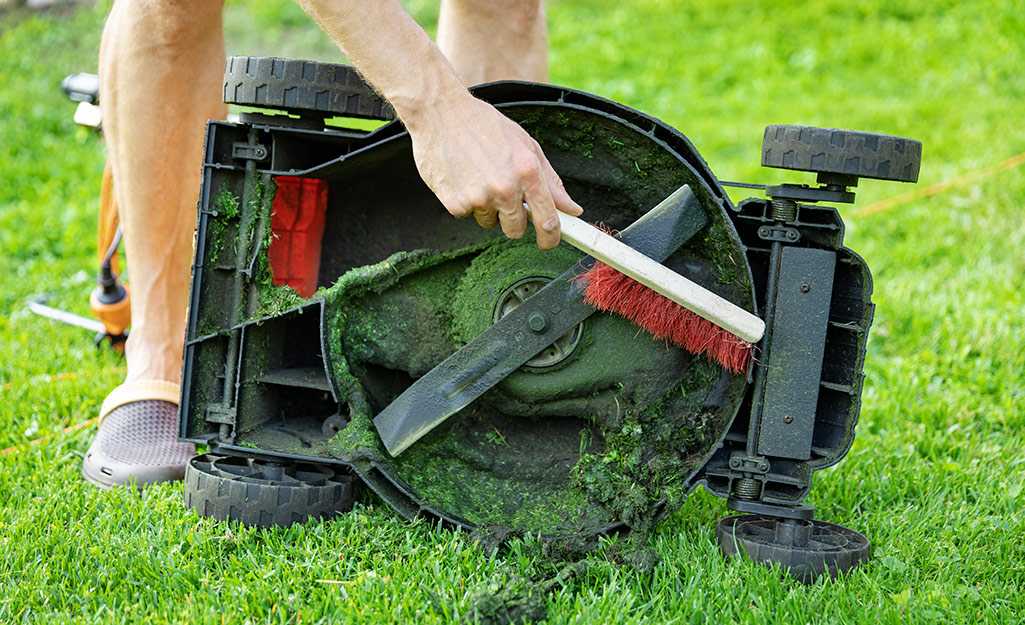
To sharpen your lawn mower blades quickly and effectively, remove the blades from your mower, secure them properly, and use a metal file or angle grinder to sharpen the cutting edges, ensuring they are evenly balanced before reattaching. This simple process improves cutting performance and promotes a healthier lawn.
Sharpening your lawn mower blades at home is easier than you might think and can save you money. By following a few straightforward steps—removing the blades, sharpening them with basic tools, and balancing them—you can maintain a sharp cutting edge that results in cleaner cuts and a more vibrant lawn. Regularly maintaining your mower blades not only extends their lifespan but also ensures your mower operates efficiently, making lawn care less of a chore and more enjoyable.
A well-manicured lawn begins with sharp blades that cut grass cleanly and evenly. Dull blades tear grass instead of slicing through it, leading to ragged edges and increased vulnerability to disease. In this guide, you’ll discover simple, step-by-step methods to sharpen your own mower blades at home. Whether you’re a seasoned DIY enthusiast or just looking to take better care of your equipment, mastering blade sharpening is a practical skill that keeps your lawn looking its best and your mower running smoothly.

How to Sharpen Your Own Lawn Mower Blades
Understanding the Importance of Sharp Lawn Mower Blades
Having sharp blades is key to a healthy, well-manicured lawn. Dull blades tear grass rather than cut it cleanly, leading to ragged edges and increased vulnerability to disease. Regularly sharpening your blades ensures a clean cut and a lush, green lawn.
When Should You Sharpen Your Lawn Mower Blades?
Knowing the right time to sharpen blades can save you effort and prolong their lifespan. Typically, you should sharpen blades after every 20 to 25 hours of mowing or when you notice uneven cuts or torn grass. Check your blades at least once each mowing season to assess their condition.
Tools Needed for Sharpening Lawn Mower Blades
Before starting, gather the proper tools to make the process safe and efficient:
- Safety gloves and goggles
- Wrench or socket set for removing blades
- Metal file, grinder, or dedicated blade sharpener
- Work gloves for handling blades
- Cloth or rag for cleaning
- Lubricant spray to prevent rusting
Preparing Your Lawn Mower for Blade Sharpening
Safety first! Disconnect the spark plug wire to prevent accidental starting. Lay the mower on a flat surface and tilt it in a way that allows easy access to the blades. Wearing gloves, carefully remove the blades using the wrench or socket set. Keep track of the blade’s orientation for reinstallation.
Inspecting the Blades for Damage
Before sharpening, closely examine the blades for signs of damage. Look for cracks, bends, or deep dents. Damaged blades should be replaced, not sharpened, to avoid safety issues and uneven mowing.
Sharpening the Blades: Step-by-Step Process
Follow these clear steps to sharpen your blades properly:
- Secure the blade in a vise or clamp to prevent movement during sharpening.
- Use a metal file or grinder to sharpen the cutting edge at a consistent angle, typically between 30 to 45 degrees.
- Sharpen one side of the blade at a time, maintaining the original bevel angle for a clean cut.
- Remove any burrs or metal shavings with a finer file or sandpaper for a smooth edge.
- Check the balance of the blade after sharpening to prevent vibrations during mowing.
How to Balance Your Lawn Mower Blades
Balanced blades are critical to mower performance and safety. To check balance:
- Hang the blade on a nail or a blade balancer.
- If the blade tilts to one side, remove more metal from the heavier side.
- Repeat until the blade stays level when hanging.
An unbalanced blade can cause vibrations, leading to mower damage and uneven cutting.
Reinstalling the Sharpened Blades
Once the blades are sharpened and balanced, reattach them securely to the mower. Ensure that the blade’s cutting edge faces downward, and tighten all bolts evenly to prevent wobbling.
Maintaining Your Mower Blades for Longevity
Regular maintenance keeps blades sharp longer. Clean blades after each use to remove grass and dirt. Apply a light coat of oil or lubricant to prevent rust. Store your mower in a dry place to protect the blades from corrosion.
Safety Tips for Blade Sharpening
Always wear protective gloves and goggles to prevent cuts and eye injuries. Work in a well-ventilated area to avoid inhaling metal dust. Never attempt to sharpen blades while they are attached to the mower.
Alternative Methods for Sharpening Lawn Mower Blades
If you prefer not to sharpen blades manually, consider using a power angle grinder with a grinding attachment for faster results. Commercial blade-sharpening services are also available if you lack the tools or time.
Cost Considerations and When to Replace Blades
Sharpening is cost-effective, but blades have a lifespan. Replace blades when they become excessively worn, cracked, or bent beyond repair. Good quality blades can last several seasons if properly maintained.
Additional Tips for a Perfect Cut
Ensure your mower blades are always sharp and balanced. Adjust mower height correctly to avoid scalping or under-mowing. Regularly check your blades as part of your mower maintenance routine to promote a healthy lawn.
Related Topics to Explore
- Different types of lawn mower blades and their functions
- How to properly clean and store your mower after use
- Choosing the right sharpening tools for DIY maintenance
- Signs your lawn mower needs professional servicing
By following these detailed steps, you can effectively sharpen your lawn mower blades at home. Properly maintained blades will not only improve the appearance of your lawn but also extend the life of your mower. Regular sharpening and care make mowing safer, easier, and more efficient.
Frequently Asked Questions
What tools do I need to sharpen my lawn mower blades safely?
To sharpen your lawn mower blades safely, gather protective gear like gloves and safety goggles. You’ll need a bench grinder or a sharpening stone, a wrench to remove the blades, and a work surface. Using the right tools ensures you can sharpen effectively while minimizing the risk of injury.
How do I properly remove the blades from my mower before sharpening?
Start by disconnecting the spark plug to prevent accidental engine start. Tilt or turn the mower to access the blades easily. Use a wrench to loosen and remove the bolt securing the blade, ensuring you hold the blade firmly to prevent it from spinning. Note the blade’s orientation for correct reinstallation.
What is the best technique to sharpen lawn mower blades for a clean cut?
Hold the blade at the correct angle—typically around 30 to 45 degrees—against the sharpening tool. Maintain a consistent angle and sharpen along the length of the blade edge with smooth, controlled strokes. After sharpening, remove any burrs and ensure both cutting edges are balanced to prevent vibrations.
How do I know when my lawn mower blades are sharp enough?
You can test the sharpness by running your finger lightly along the blade edge (carefully, without touching the cutting edge directly). If it feels smooth and the blade easily cuts through grass, it’s sharp enough. Alternatively, observe how cleanly the mower cuts the grass; a sharp blade produces a clean, uniform cut.
What maintenance steps should I take after sharpening my blades?
After sharpening, clean the blades thoroughly to remove any debris or metal filings. Check for any signs of damage or excessive wear; replace the blades if needed. Balance the blades properly to avoid vibrations during mowing. Reinstall the blades securely and reconnect all parts before testing your mower.
Final Thoughts
Pour améliorer la performance de votre tondeuse, il est essentiel de savoir comment sharpening your own lawn mower blades. Commencez par débrancher la machine et retirer la lame avec une clé à molette. Utilisez une meule ou une lime pour aiguiser le couteau en suivant la courbure d’origine. Nettoyez la lame pour éliminer toute saleté ou rouille.
Réinstallez la lame en veillant à bien la fixer et à équilibrer son poids. Vérifiez régulièrement l’état de la lame pour garantir une coupe propre. En suivant ces étapes, vous assureriez un entretien efficace sans recourir à un professionnel.