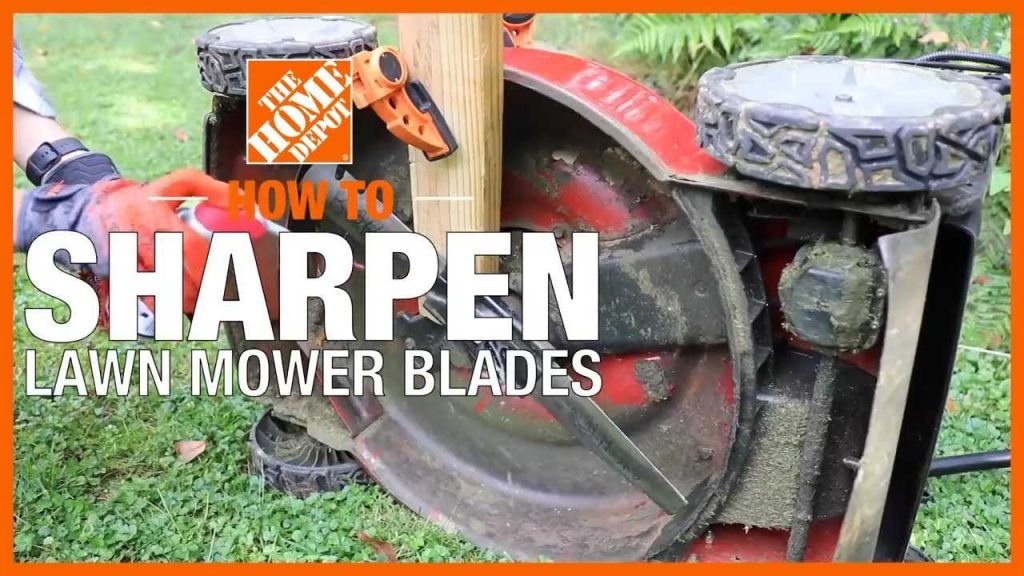
To keep your lawn looking neat and healthy, sharp mower blades are essential. Not only do they cut grass cleanly, but they also prevent damage to your mower and promote lush growth. Sharpening your lawn mower blades at home is straightforward and cost-effective; with a few basic tools and safety precautions, you can restore the blades’ sharpness in no time.
A quick solution is to remove the blades, secure them safely, and sharpen the edges with a file or grinder, ensuring you maintain the correct angle. Regular sharpening keeps your mower performing at its best, saving you money and effort while keeping your yard pristine.
If you want a simple way to sharpen your mower blades at home, start by disconnecting the spark plug for safety, then remove the blades using basic hand tools. After that, clean off any grass or debris, and carefully sharpen the cutting edge with a metal file or grinder, maintaining the original angle. Reinstall the blades, and you’re ready to mow with sharp, efficient cuts.

How to sharpen lawn mower blades at home
Understanding Why Sharpening Is Important
Keeping your lawn mower blades sharp is essential for a healthy, green lawn. Dull blades tear grass instead of cutting it cleanly, which can damage your grass and make your mower work harder. Sharp blades also reduce the strain on your engine and extend the life of your mower.
Tools You Will Need for Sharpening
Before starting, gather the right tools. These are essential to make the process safe and effective:
- Protective gloves and goggles to keep your hands and eyes safe
- A metal file or sharpening stone for manual sharpening
- An angle grinder with a grinding disc for faster sharpening
- A wrench or socket set to remove blades
- A bench vise or clamp to hold the blade securely
- A wire brush or steel wool for cleaning
- Lubricant oil to prevent rusting after sharpening
Preparing Your Lawn Mower for Blade Removal
Start by turning off the mower and unplugging it if it’s electric or disconnecting the spark plug for gas-powered mowers. Next, safely tip your mower on its side or stand it upright on a flat surface. This makes it easier to access the blades.
Safely Removing the Blade
Loosen the blade nut carefully using the wrench or socket set. Hold the blade with your hand or a clamp to prevent it from spinning as you loosen the nut. Once loose, carefully lift the blade away from the mower.
Inspecting the Blade
Check the blade for signs of damage such as cracks, bends, or excessive dullness. If the blade is severely damaged, consider replacing it instead of sharpening. For minor dullness and minor nicks, sharpening is usually sufficient.
Cleaning the Blade Before Sharpening
Use a wire brush or steel wool to remove grass, dirt, and rust from the blade. Clean blades ensure a smoother sharpening process and help you see any damage clearly. Wipe the blade with a damp cloth afterward and dry it thoroughly.
Sharpening the Lawn Mower Blade
Choose your preferred sharpening method: manual filing or power grinder. Both options are effective if done correctly.
Manual Sharpening with a File or Sharpening Stone
Hold the blade steady using the clamp or bench vise. Follow the angle of the original blade edge, typically around 30 to 45 degrees. Use long, smooth strokes to sharpen the cutting edge, working from the center toward the tip.
Using an Angle Grinder
Wear safety goggles and gloves. Turn on the grinder and carefully touch the grinding disc to the blade’s edge. Move the grinder along the edge in smooth, continuous motions, maintaining the original bevel angle. Avoid grinding excessively on one spot to prevent overheating.
Balancing the Blade
An unbalanced blade can cause vibrations and damage your mower. To check balance, hold the blade at its center with a nail or a blade balancing stand. If one side dips, sharpen more on that side to restore balance.
Reinstalling the Blade
Once sharpened and balanced, apply a light coat of oil to prevent rust. Carefully reinstall the blade onto the mower, ensuring it is aligned correctly. Tighten the nut securely, but avoid over-tightening.
Final Safety Checks and Testing
After reassembling, double-check that all nuts and bolts are tight. Reconnect the spark plug or plug in your electric mower. Test the mower on a small area of grass to confirm the blades are cutting smoothly and evenly.
Regular Maintenance Tips
Sharpen blades at least once a season or after cutting approximately 25 hours of lawn. Regularly inspect blades for dullness or damage and clean them after each use to prolong their sharpness. Using the right cutting height and mowing dry grass also helps maintain blade sharpness longer.
Additional Tips for Effective Blade Sharpening
- Work in a well-ventilated area and wear safety gear at all times.
- Maintain the original angle of the blade edge during sharpening for optimal cutting performance.
- Never take more than 1/4 inch off the blade’s edge to prevent weakening it.
- Keep your blades dry and store them in a safe place when not in use to avoid corrosion.
Related Topics
Exploring other mower maintenance tips like changing oil, replacing filters, and adjusting the cutting height can help you keep your mower in top shape. Learning how to replace blades helps if sharpening isn’t enough or if your blades are damaged beyond repair. Additionally, understanding different types of blades can improve your mowing experience and grass health.
Frequently Asked Questions
What safety precautions should I take before sharpening my lawn mower blades at home?
Before sharpening your lawn mower blades, always disconnect the spark plug to prevent accidental starting. Wear protective gloves and safety goggles to shield your hands and eyes from sharp edges and metal debris. Ensure the mower is on a flat surface and stable position, and use proper tools such as a wrench or blade balancer to handle the blades safely.
How can I remove the blades from my lawn mower effectively?
Start by turning off the mower and disconnecting the spark plug. Use a wrench to loosen the bolt securing the blade while carefully supporting the blade to prevent it from falling. Some blades have a central bolt; in that case, hold the blade with a piece of wood or a blade holder to prevent it from spinning as you loosen the bolt. Once removed, clean the blade and inspect it for damage before sharpening.
What is the best way to sharpen lawn mower blades by hand?
Use a metal file or a sharpening stone to manually sharpen the blade edges. Hold the blade firmly and file at the same angle as the existing bevel, typically between 30 to 45 degrees. Work along the entire edge, ensuring an even and smooth finish. For a quicker process, you can also use a power angle grinder, but always take care to maintain a consistent angle and avoid overheating the metal.
How do I ensure my lawn mower blades stay balanced after sharpening?
After sharpening, use a blade balancing kit or a simple nail on a wall to check the blade’s balance. Hang the blade on the nail and observe if it tilts to one side. If it does, file a small amount from the heavier side until it hangs evenly. Proper balancing helps prevent vibrations during mower operation and extends the lifespan of the blades.
What maintenance tips should I follow to keep my lawn mower blades sharp longer?
Regularly clean your blades after each use to prevent grass buildup. Avoid cutting wet grass, which can dull blades faster. Sharpen blades at least once a season or after every 20-25 hours of mowing. Store your mower in a dry place to prevent rust, and check blades periodically for signs of damage or dullness to maintain optimal cutting performance.
Final Thoughts
To sharpen lawn mower blades at home, gather a rotary grinder or a file and secure safety gear. Remove the blades carefully and clean off debris. Use the grinder or file to sharpen the cutting edges evenly, maintaining the original angle.
Reinstall the blades securely and test the mower. Regular sharpening keeps your lawn healthy and mowing easy. Knowing how to sharpen lawn mower blades at home saves time and money, ensuring your equipment performs optimally.