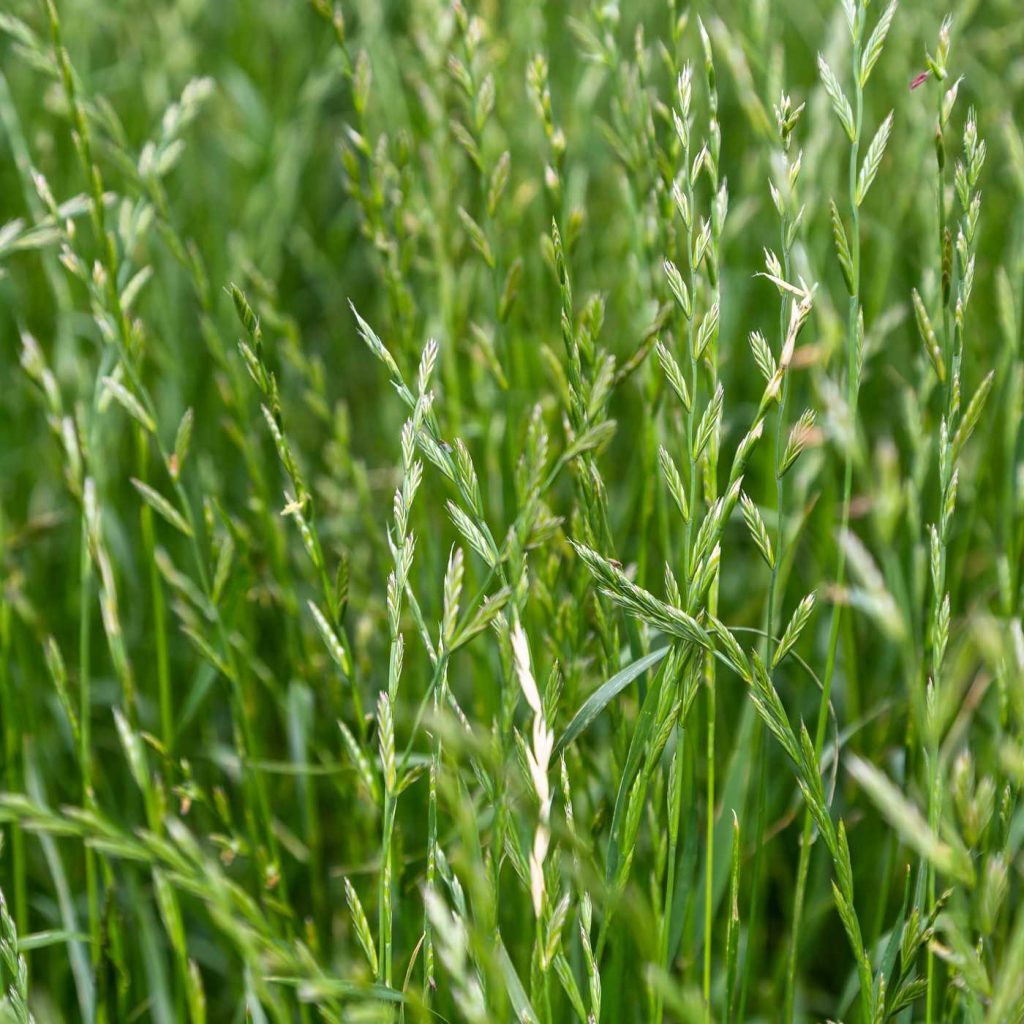
To successfully seed perennial ryegrass, start by preparing the soil, spreading the seeds evenly, and maintaining proper watering. A lush, vibrant lawn can be yours with some attention to detail and patience.
Planting perennial ryegrass is easier than you think—just follow a few simple steps to get it growing beautifully. Begin by clearing the area of debris and loosening the soil to promote healthy root development. Mix in some topsoil or compost to boost nutrients, then broadcast the seeds evenly across the prepared surface. Lightly rake the soil to cover the seeds, ensuring good soil-to-seed contact. Keep the soil consistently moist with regular watering, especially during the germination period. With proper care and patience, you’ll soon have a dense, green lawn that thrives year-round, perfect for sports, relaxation, or simply enhancing your outdoor space.

How to Seed Perennial Ryegrass
Seeding perennial ryegrass is a simple process that can turn your yard into a lush, green space. It’s a popular choice for lawns, sports fields, and pasture lands because of its quick growth and ability to handle foot traffic. Properly planting ryegrass ensures a healthy, dense lawn that lasts for many years.
Understanding Perennial Ryegrass
Perennial ryegrass is a cool-season grass, which means it thrives in moderate temperatures. It grows quickly and produces fine, soft blades that create a comfortable surface. Its deep roots help it withstand drought and wear, making it ideal for lawns and sports fields.
Knowing the characteristics of this grass type helps you prepare better for seeding. It germinates in about seven to ten days and can grow in various soil types. Adequate sunlight, water, and proper soil preparation are key to successful establishment.
Preparing the Soil for Seeding
Test Your Soil
Start by testing your soil to determine its pH and nutrient levels. Perennial ryegrass prefers soil pH between six and seven. Amend your soil based on test results to optimize growth.
Clear and Till the Area
Remove any existing grass, weeds, or debris from the area. Use a rake or garden tiller to loosen the soil to a depth of at least three inches. Breaking up compacted soil helps roots spread evenly and promotes healthy growth.
Improve Soil Quality
- Add compost or organic matter to enrich the soil.
- Ensure good drainage to prevent waterlogging.
- Level the surface for even seed distribution.
Selecting the Right Seed and Seed Rate
Choosing High-Quality Seed
Select certified perennial ryegrass seed for the best results. Look for seeds that are disease-free, viable, and suitable for your climate zone. Hybrid varieties often offer better drought tolerance and disease resistance.
Determining How Much Seed to Use
| Seed Rate per Square Foot | Approximate Pounds per Acre |
|---|---|
| 0.5 to 1 ounce | 15 to 30 pounds |
Use about 15 to 30 pounds of seed for every acre. For smaller areas, adjust proportionally to ensure proper coverage without waste.
Seeding Methods for Perennial Ryegrass
Broadcast Seeding
This method involves spreading seeds evenly across the prepared soil. Use a broadcast spreader for uniform distribution. Follow up by lightly raking to press seeds into the soil surface.
Slit Seeding
Use a slit seeder to create narrow cuts in the soil, depositing seeds directly into the slots. This approach improves seed-to-soil contact and germination success. It’s ideal for overseeding existing lawns.
Hydroseeding
For large areas, hydroseeding mixes seed with mulch and water, then sprays the mixture over the soil. This method helps retain moisture and prevents erosion. It’s fast and effective for big projects.
Proper Seeding Timing
Best Time of Year
The optimal time to seed perennial ryegrass is during early fall or early spring. Temperatures between 50°F and 75°F promote rapid germination.
Choosing the Right Season
Avoid seeding during hot summer months or in winter, as extreme temperatures hinder growth. Fall seeding allows grass to establish roots before winter.
Maintaining a Healthy Lawn After Seeding
Watering Schedule
Keep the soil consistently moist for the first two weeks after seeding. Water lightly and frequently, about once or twice daily, to encourage germination.
Fertilizing
- Apply a starter fertilizer rich in phosphorus to promote root growth.
- Follow up with a balanced fertilizer once the grass is established.
Controlling Weeds and Pests
Limit weed competition by keeping the area free of weeds during germination. Use herbicides carefully and only after the grass has been established.
Common Challenges and Solutions in Seeding Ryegrass
Poor Germination
Ensure seed-to-soil contact and maintain consistent moisture. Using fresh, viable seed also improves germination rates.
Patchy Growth
Overseed bare areas and ensure even seed distribution during initial planting. Proper soil preparation helps prevent patchiness.
Disease and Pest Issues
Maintain proper watering practices and avoid over-fertilizing. Use disease-resistant seed varieties for added protection.
Additional Tips for Successful Seeding
- Always water early in the morning or late in the afternoon to minimize evaporation.
- Use a roller after seeding to press seeds into the soil.
- Maintain consistent soil moisture until the grass is well-established.
- Limit foot traffic on new seedings until turf is mature enough to withstand it.
Related Topics to Consider
- Differences Between Annual and Perennial Ryegrass
- Best Fertilizer Types for New Lawns
- Overseeding Techniques for Thinning Lawns
- Watering Tips for Newly Seeded Areas
- Common Lawn Maintenance Practices for Long-Term Health
By following these detailed steps and tips, seeding perennial ryegrass can become a straightforward task that results in a beautiful, durable lawn. Proper preparation, seed selection, and ongoing maintenance are vital to achieving the best possible growth. With patience and care, you will soon enjoy a vivid green space that stands up to foot traffic and weather conditions alike.
Grass & Lawn Maintenance : How to Plant Rye Grass Seed
Frequently Asked Questions
What are the best soil conditions for seeding perennial ryegrass?
Perennial ryegrass thrives in well-drained soils with a pH level between 5.5 and 7.0. Before planting, test your soil to determine its acidity and nutrient levels. If necessary, amend the soil by adding lime to raise pH or sulfur to lower it. Incorporate organic matter like compost to improve soil fertility and structure, ensuring the seed has a healthy environment to germinate and establish.
When is the optimal time to seed perennial ryegrass?
The best time to sow perennial ryegrass is in early fall or early spring when temperatures are moderate, typically between 50°F and 70°F (10°C to 21°C). During these periods, the soil remains moist, supporting germination. Avoid seeding during the peak heat of summer or during freezing conditions, as extreme temperatures can hinder seed growth and establishment.
How should I prepare the soil before seeding?
Begin by removing any old grass, weeds, or debris from the area. Loosen the soil to a depth of at least 2 inches using a rake, tiller, or cultivator. Level the surface and, if necessary, add soil amendments to improve fertility and pH. Rake the area smoothly to create a fine, even seedbed, which promotes uniform seed contact with the soil and enhances germination success.
What is the recommended seeding rate for perennial ryegrass?
For a dense and healthy lawn, apply approximately 20 to 30 pounds of seed per 1,000 square feet. Adjust the rate if you want a thinner or thicker coverage. Sowing at the appropriate rate ensures even growth and reduces bare patches. It’s also beneficial to mix the seed with a light layer of soil or compost to improve seed-to-soil contact.
How should I care for the area after seeding?
After planting, water the area lightly but frequently to keep the soil consistently moist. Avoid overwatering to prevent seed washout or disease. Maintain soil moisture until the grass begins to sprout and establish. Once germinated, gradually reduce watering frequency while increasing the depth and frequency to promote deep root growth. Mowing should start when the grass reaches about 3 inches in height, trimming it to around 2 inches to encourage dense, healthy turf.
Final Thoughts
To seed perennial ryegrass effectively, prepare the soil by removing debris and ensuring good drainage. Spread the seed evenly and lightly cover it with soil or compost. Keep the area consistently moist to promote germination.
Regular watering and proper maintenance will help the grass establish quickly.
In conclusion, learning how to seed perennial ryegrass ensures a lush, healthy lawn. Focus on soil preparation, even seeding, and consistent watering for best results.