
Rototilling your lawn can revitalize compacted soil, improve drainage, and prepare the ground for new grass or garden beds. This guide walks you through the entire process—from planning and equipment prep to post-tilling care—so you can transform your yard with confidence and ease.
Key Takeaways
- Timing matters: The best time to rototill is early spring or fall when soil is moist but not waterlogged.
- Choose the right tiller: Select between walk-behind, rear-tine, or front-tine tillers based on your lawn size and soil type.
- Prepare the area first: Remove rocks, debris, and large roots before tilling to protect your equipment and ensure even results.
- Work in sections: Divide your lawn into manageable zones and till each one thoroughly before moving forward.
- Aerate and level: After tilling, rake and level the soil to create a smooth surface ideal for seeding or sodding.
- Water wisely: Lightly water the tilled area after seeding to help seeds make contact with the soil.
- Maintain your rototiller: Clean and service your tiller regularly—especially if it sits unused—to avoid carburetor issues like those covered in How To Clean A Briggs And Stratton Lawn Mower Carburetor.
What Is Rototilling and Why Do It?
Rototilling, also known as deep tilling or cultivating, is the process of using a motorized tiller (or rototiller) to break up compacted soil. This loosens the earth, improves air circulation, enhances root development, and makes it easier for water and nutrients to reach grassroots. Whether you’re starting from scratch, preparing for sod, laying down new seed, or fixing a patchy lawn, rototilling gives your grass a strong foundation.
Unlike surface-level dethatching or aeration, rototilling goes deep—usually 6 to 8 inches—making it ideal for rebuilding poor soil structure. However, it’s important not to overdo it; excessive tilling can damage soil biology and lead to erosion. Used correctly, though, rototilling sets the stage for lush, healthy turf.
When Should You Rototill Your Lawn?
The timing of your rototilling project affects success more than anything else. Tilling too late in summer can stress young seedlings or newly planted grass. Conversely, doing it too early when the ground is frozen can damage both soil and equipment.
Ideal Seasons
- Early Spring: Soil is workable but cool. Perfect for overseeding and establishing new growth.
- Late Summer to Early Fall: Warm temperatures promote seed germination without heat stress. Also great for repairing bare spots.
Avoid tilling during heavy rain or drought—wet clay hardens when dry and turns to mud when wet, neither ideal for tilling. Check the forecast and aim for 1–2 days of dry weather afterward so the soil settles properly.
Choosing the Right Rototiller
Not all rototillers are created equal. The type you choose depends on your lawn size, soil conditions, and personal preference.
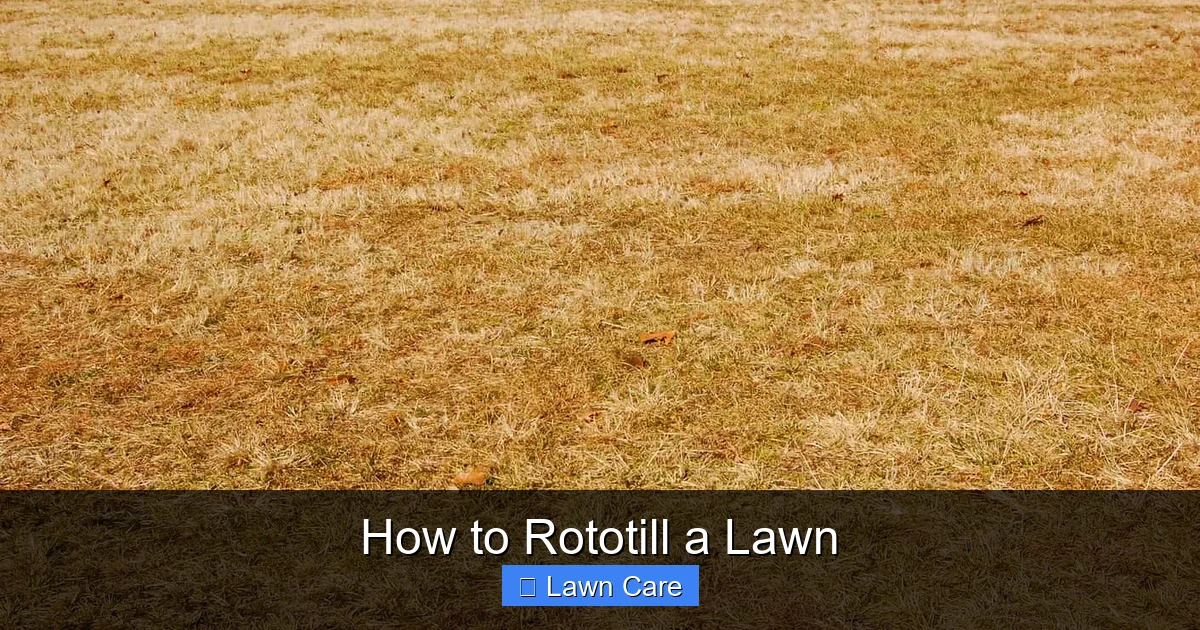
Visual guide about How to Rototill a Lawn
Image source: backyardgadget.com
Types of Tillers
- Walk-Behind Rototillers: Most common and affordable. Great for small to medium yards. They come in two styles:
- Front-Tine (FWD): Push-type design—good for light soils.
- Rear-Tine (RWD): Pulls behind you—better traction and deeper penetration in clay or rocky soil.
- Riding Rototillers: For very large properties or commercial use. Expensive but efficient.
- Mini or Electric Tillers: Best for patios, raised beds, or tiny lawns—not full-yard projects.
If you’re renting, check reviews and ask about maintenance needs. Always inspect blades for wear before use.
Preparing Your Lawn Before Tilling
Mudding through unprepared ground won’t just ruin your tiller—it’ll leave uneven, clumpy soil that defeats the whole purpose. Preparation saves time, money, and frustration.
Step-by-Step Prep
- Clear Debris: Pick up toys, sticks, stones, and pet waste. Large tree roots may need removal or cutting.
- Mow Short: Cut existing grass to about 2 inches tall. This prevents tangling and lets the tiller reach the soil.
- Mark Obstacles: Note sprinkler heads, underground cables, or low-hanging branches with flags or paint.
- Test Soil Moisture: Squeeze a handful—if it crumbles easily, you’re ready. If it forms a tight ball, wait a day or two.
Pro tip: Use a soil test kit (available at garden centers) to check pH and nutrient levels. Adjustments made now prevent future problems.
Step-by-Step Guide to Rototilling Your Lawn
Now comes the main event! Follow these steps carefully to get professional-quality results.
1. Set Up Your Tiller Correctly
- Attach the appropriate tines based on soil hardness.
- Adjust depth settings—start shallow (1–2 inches) if unsure, then go deeper only if needed.
- Fill fuel tanks and charge batteries ahead of time. Nothing kills momentum like running out of gas mid-job.
2. Start at One Edge
Begin at the farthest corner from your driveway or gate. Work outward so you don’t drive over freshly turned soil. Overworking already-tilled areas leads to compaction again.
3. Till in Straight Lines
Go in overlapping passes—about 50% overlap between rows—to ensure complete coverage. Go slowly; rushing causes uneven digging and missed patches.
4. Alternate Directions
After completing one direction (say, east to west), rotate 90 degrees and till north to south. This prevents creating ridges and ensures consistent soil depth.
5. Repeat Until Done
Continue until every square foot is broken up. Pay special attention to compacted zones near driveways or high-traffic areas.
Post-Tilling Care: What Happens Next?
Your hard work isn’t finished just because the tiller stops spinning. Proper follow-up maximizes the benefits of rototilling.
Raking and Leveling
Use a stiff rake to break up large clumps and smooth out bumps. Drag a metal lawn roller (or a flat board) over the surface to settle the soil gently. This creates an ideal seedbed.
Amending the Soil
Add compost, topsoil, or organic matter as needed. Spread a thin layer evenly across the tilled area using a shovel or drop spreader. Rake lightly to mix into the upper 1–2 inches of soil.
Seeding or Sodding
If overseeding, apply grass seed according to package directions. Lightly drag the surface again to bury seeds slightly. Water daily until germination. For sod, lay pieces tightly together and press edges firmly into place.
First Few Weeks
Avoid foot traffic on newly seeded areas for at least two weeks. Keep the soil consistently moist but not soaked. Once grass reaches 3 inches tall, resume normal mowing—but don’t cut more than one-third of the blade height.
Troubleshooting Common Rototilling Problems
Even experienced gardeners run into hiccups. Here’s how to handle them.
Problem: Tiller Gets Stuck or Won’t Turn
This usually means rocks, roots, or hardpan beneath the surface. Stop immediately, back up, and inspect the tines. If blocked, clear debris manually. Consider switching to a heavier-duty model next time or hiring a pro for tough jobs.
Problem: Uneven Soil or Ridges
Caused by inconsistent speed or overlapping technique. Slow down and maintain steady pressure. Alternating tilling directions helps flatten ridges naturally.
Problem: Equipment Won’t Start
If your rototiller has been sitting all winter, it might need carburetor cleaning. Old fuel gum builds up and blocks intake valves—exactly what happens after long storage periods. Refer to guides like How To Start A Lawn Mower After Sitting All Winter for troubleshooting steps.
Problem: Excessive Dust or Mud
Wet clay soils create messes. Let them dry slightly before tilling, or add coarse sand or gypsum to break up clumps beforehand.
Alternatives to Full-Rototilling
While rototilling works wonders for severely damaged lawns, it’s not always necessary. In many cases, simpler methods suffice:
- Aeration: Drills small holes into compacted soil without turning it over. Ideal for established lawns needing oxygen boosts.
- Dethatching: Removes thatch buildup (dead grass layers) with a power rake. Best done annually.
- Topdressing: Spreading thin layer of compost or sand over existing grass. Minimal disruption, excellent for gradual improvement.
For minor repairs, consider these instead of full tilling. They preserve soil structure and microbial life while still improving lawn health.
Safety Tips While Using a Rototiller
Power tools demand respect. Protect yourself and others with these precautions:
- Wear steel-toed boots, gloves, eye protection, and long pants.
- Keep children and pets indoors during operation.
- Never remove safety guards or alter controls.
- Turn off engine before clearing jams or adjusting settings.
- Store fuel away from heat sources and label containers clearly.
Remember: a few minutes of prep prevent hours of cleanup later.
Conclusion: Transform Your Lawn with Confidence
Rototilling a lawn isn’t rocket science—but it does require planning, patience, and the right approach. By choosing the best time, using proper equipment, preparing thoroughly, and following up with care, you set your grass up for long-term success. Whether you’re building a new lawn from seed or fixing tired, compacted turf, this method delivers dramatic results.
Just remember: moderation is key. Don’t till deeper than necessary, and avoid doing it every year unless absolutely required. Healthy soil thrives on balance, not brute force. With these steps in mind, you’ll have a green, vibrant lawn that looks like something out of a magazine—without breaking the bank or your back.