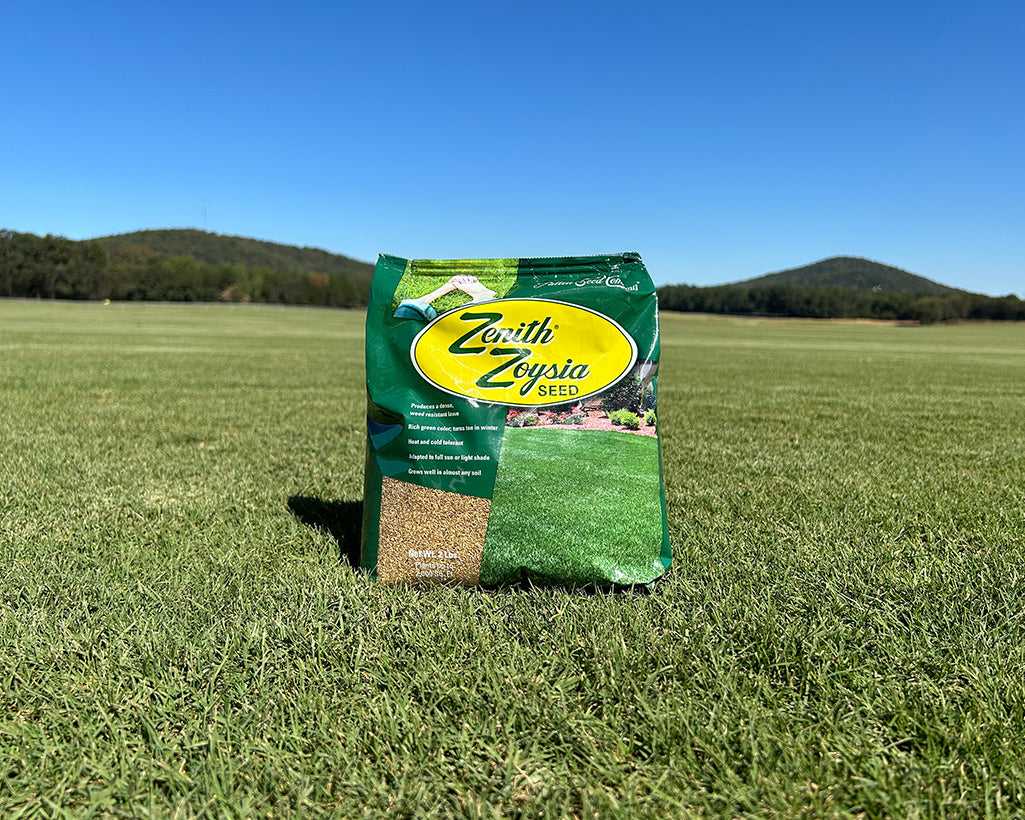
If your Zoysia grass is looking a bit worse for wear after a tough winter, don’t panic! There are several effective ways to bring it back to life and restore its lush green appearance. Start by assessing the damage; look for brown patches and areas that seem thin or sparse. Raking away debris and dead grass is essential to allow sunlight and air to reach the healthy grass underneath. Implementing a good watering schedule and applying a high-quality fertilizer can make a significant difference in revitalizing your lawn. Lastly, be patient! With the right care and conditions, your Zoysia grass can bounce back and be vibrant once more. Let’s dive deeper into how to make this happen!

“`html
How to Revive Zoysia Grass After a Harsh Winter
Winter can be a tough season for Zoysia grass. This grass type is known for its resilience, but even the strongest varieties need some care after the cold months. If you want to bring your Zoysia grass back to life, there are several steps you can take. Let’s explore how you can help your lawn recover.
Recognizing the Signs of Winter Damage
Before you can revive your Zoysia grass, it’s essential to know what to look for. Here are some common signs of winter damage:
- Yellow or brown patches on the grass
- Thinning or bare spots in the lawn
- Grass that feels dry or crunchy underfoot
- Difficulty in seeing new growth in spring
Identifying these signs early can help you take action promptly. This way, you can give your lawn the TLC it needs.
Assessing Soil Condition
The first step in restoring your Zoysia grass is to check your soil. Healthy soil promotes healthy grass. Here’s how to assess it:
- Test the soil pH: Zoysia grass thrives in slightly acidic to neutral soil (6.0 to 7.0 pH).
- Check for compaction: Compacted soil can limit root growth and water absorption.
- Look for drainage issues: If water collects in puddles, you’ll need to improve drainage.
If you find that your soil needs adjustments, consider adding organic matter. This action not only boosts nutrients but also improves soil structure.
Fertilizing for Recovery
Once your soil is in shape, it’s time to fertilize. Proper fertilization helps Zoysia grass recover quickly. Follow these tips:
- Choose a slow-release fertilizer: This type will provide nutrients over time.
- Apply in late spring: Wait until after the last frost for the best results.
- Follow the recommended application rate: Over-fertilizing can harm your grass.
Fertilizing can give your Zoysia grass the nutrients it needs to bounce back.
Watering Appropriately
Watering is crucial in the recovery process. Here’s how to do it right:
- Water deeply but infrequently: Aim for about one inch per week.
- Water in the early morning: This timing reduces evaporation and fungal growth.
- Adjust based on rainfall: If it rains, you can skip watering.
Proper watering helps your Zoysia grass establish deep roots, which is vital for its health.
Raking and Aerating the Lawn
After winter, thatch can build up on your lawn. Raking can help remove this layer. Here’s how to do it effectively:
- Use a thatch rake: This tool can help break up compacted layers.
- Aerate your lawn: Consider using a core aerator to improve air and nutrient flow.
- Rake up debris: Removing leaves and sticks will give the grass more light.
Aerating your lawn encourages healthy growth, allowing it to breathe and absorb moisture better.
Overseeding for Thinning Areas
If your Zoysia grass has thinned out, overseeding may be necessary. Here’s how to do it:
- Choose quality seeds: Look for Zoysia seed varieties that are suited for your climate.
- Spread seeds evenly: Use a spreader to ensure even coverage.
- Keep the soil moist: Water regularly until the new grass establishes.
Overseeding can help fill in those bare spots and create a lush, green lawn.
Pest and Disease Management
Winter can bring pests and diseases that affect Zoysia grass. Here’s how to manage them:
- Inspect your lawn regularly: Look for signs of pests or disease.
- Use appropriate treatments: Follow guidelines for pesticide use if necessary.
- Promote good lawn care practices: Healthy grass is better able to resist pests.
Taking action against pests and diseases quickly can prevent further damage.
Maintaining Your Mower
Your mower plays a significant role in the health of your Zoysia grass. Here’s how to keep it in tip-top shape:
- Sharpen blades regularly: Dull blades tear the grass instead of cutting it cleanly.
- Adjust the cutting height: Aim to cut Zoysia at a height of about two to three inches.
- Keep the mower clean: Remove any grass clippings and debris to prevent diseases.
A well-maintained mower can give your grass a neat, healthy appearance.
Establishing a Regular Maintenance Routine
Once your Zoysia grass is on the mend, maintaining a regular lawn care routine is essential. Here are some tips to follow:
- Fertilize regularly: Stick to seasonal recommendations for fertilization.
- Water deeply and consistently: Ensure your grass gets the right amount of moisture.
- Mow consistently: Keep your lawn tidy and at the right height.
Regular maintenance will keep your lawn healthy and thriving.
Seasonal Considerations
Each season comes with its own set of challenges for Zoysia grass. Here are some tips for each one:
- Spring: Focus on restoring health with water and nutrients.
- Summer: Ensure your grass stays hydrated in the heat.
- Fall: Prepare for winter by aerating and applying pre-winter fertilizer.
Understanding seasonal needs can enhance your lawn’s resilience year-round.
Using Natural Remedies and Organic Options
If you prefer natural care for your lawn, there are several organic options available. Consider these methods:
- Compost: Adds nutrients while improving soil structure.
- Organic fertilizers: Look for slow-release options that are eco-friendly.
- Pest traps: Create simple traps to catch common lawn pests.
Natural remedies can promote sustainability while keeping your Zoysia grass healthy.
In conclusion, reviving Zoysia grass after a harsh winter involves a series of careful steps. By assessing soil condition, fertilizing adequately, watering appropriately, and maintaining your lawn, you can enjoy a beautiful, lush lawn once again. Remember to be patient, as recovery takes time, but with the right care, your Zoysia grass will thrive.
“`
How to Care for Zoysia Grass | DoMyOwn.com
Frequently Asked Questions
What signs indicate that Zoysia grass needs revitalization after winter?
Look for several signs that Zoysia grass needs help after winter. Yellowing or patchy areas in your lawn signal stress or damage. Additionally, if the grass feels hard or crusty underfoot and fails to bounce back when stepped on, it likely requires rejuvenation. You may also notice that it takes longer than usual for the grass to green up in the spring, which indicates it might be struggling.
What steps should I take for proper lawn care in early spring to help Zoysia grass recover?
Start by raking the lawn to remove any debris, such as leaves or dead grass, which can suffocate new growth. Next, aerate the soil to improve air and nutrient penetration. Follow up with a quality fertilizer designed for Zoysia grass to provide essential nutrients. Water the lawn adequately, ensuring it receives about 1 inch of water per week, to support new growth as temperatures rise.
How can I improve soil health for my Zoysia grass?
Improving soil health starts with testing your soil to understand its pH and nutrient levels. Based on the results, you can amend the soil with lime or sulfur to adjust pH, and add organic matter like compost to boost nutrient content. Regularly aerating your lawn and ensuring good drainage will also promote a healthier soil environment for Zoysia grass.
When is the best time to overseed Zoysia grass for recovery?
The optimal time to overseed Zoysia grass is in late spring when soil temperatures reach around 65°F to 70°F. This timing allows the seeds to germinate and establish before the hot summer months. Overseeding can help fill in any bare or sparse areas and promote a thicker, healthier lawn.
What common pests or diseases should I check for when reviving Zoysia grass?
Keep an eye out for pests such as grubs, chinch bugs, and armyworms, which can cause significant damage to Zoysia grass. Additionally, diseases like brown patch and dollar spot can occur if conditions are conducive. Regularly inspect your lawn and treat any infestations or infections promptly to prevent further damage.
Final Thoughts
Reviving Zoysia grass after a harsh winter involves several key steps. Begin by assessing the damage and raking away any debris that may hinder growth.
Next, aerate the lawn to improve air circulation and water penetration. Apply a slow-release fertilizer to provide essential nutrients for recovery.
Regular watering and mowing at the right height will promote healthy growth. With these actions, you can effectively revive Zoysia grass after a harsh winter and enjoy a lush, vibrant lawn once again.