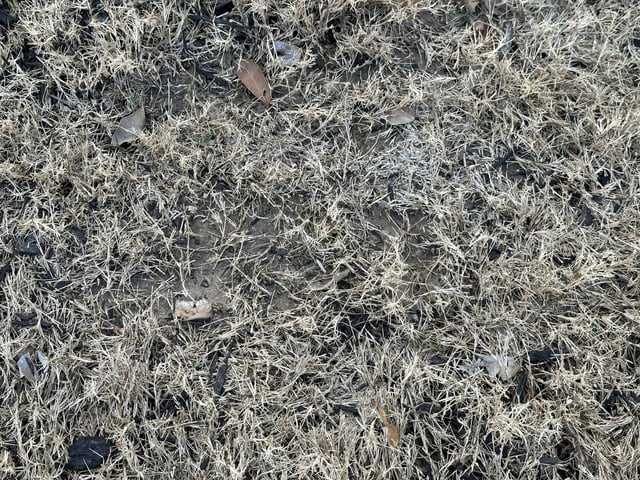
To revive burnt Bermuda grass quickly, start by removing the charred and dead patches, then evenly water the area to promote healthy regrowth. Aerate the soil to improve drainage and nutrient uptake, and apply a balanced fertilizer to strengthen the remaining grass. With patience and proper care, your lawn can bounce back to its lush, green glory.
If your Bermuda grass has been burnt due to excessive heat, drought, or chemical damage, don’t despair—recovery is possible. The key is to first assess the damage and remove any dead or severely affected patches. Water the area thoroughly to encourage new growth and help the grass recover from stress. Aerating the soil can also boost oxygen and nutrient flow to the roots, while applying a specialized fertilizer supports healthy regrowth. With consistent care, your lawn will gradually rejuvenate, becoming vibrant and healthy again.

How to revive burnt bermuda grass?
Understanding the Causes of Burnt Bermuda Grass
Burnt bermuda grass often appears as brown patches or areas that look scorched. The main reasons for this damage include **excessive heat**, **overexposure to sunlight**, **poor watering practices**, and **chemical burns from fertilizers or herbicides**. Identifying the cause is the first step toward effective revival.
Assessing the Damage
Before attempting to revive your lawn, evaluate the extent of the damage. Look for signs such as **discolored patches**, **dead grass blades**, or areas that feel **dry and brittle**. If the roots are soft or mushy, the damage might be more severe, and you may need to consider reseeding or patching.
Steps to Revive Burnt Bermuda Grass
Rejuvenating burnt bermuda grass requires patience and proper technique. Follow these steps to restore your lawn to health:
1. Remove Dead and Damaged Grass
Start by raking the affected areas to remove **dead grass**, **thatch**, and **debris**. This helps improve air circulation and allows healthy grass to grow back more easily.
2. Adjust Watering Practices
Proper watering is crucial. Bermuda grass needs **deep, infrequent watering** to develop strong roots. Water the lawn **early in the morning** to reduce evaporation and ensure the moisture reaches the soil deeply.
3. Improve Soil Health
Healthy soil promotes strong grass growth. Conduct a **soil test** to check pH levels and nutrient content. Amend the soil with **compost** or **organic fertilizers** if necessary, aiming for a pH between 6.0 and 7.0.
4. Correct Sunlight and Shade Conditions
Bermuda grass thrives in full sun, requiring **at least 6 hours of direct sunlight daily**. If your lawn is shaded, consider trimming trees or plants that block sunlight to encourage healthy growth.
5. Address Chemical Damage
If chemical burns caused the damage, avoid applying fertilizers or herbicides immediately after. Always follow label directions carefully and use **appropriate application rates**.
Reseeding and Replanting Strategies
In severely damaged patches, reseeding might be necessary to encourage new growth.
Choosing the Right Bermuda Grass Seed
Select **high-quality seed varieties** suited for your climate zone, such as **Celebration**, **TifTuf**, or **Sahara**.
Preparation Before Seeding
Loosen the soil with a rake or aerator to create a good seedbed. Make sure the soil is moist but not waterlogged.
Seeding Process
Spread the seed evenly using a broadcast spreader. Cover the seeds lightly with soil or mulch to protect them from birds and wind.
Watering After Seeding
Keep the soil consistently moist, watering lightly **2 to 3 times daily** until the seeds germinate and establish.
Maintaining a Healthy Bermuda Lawn
Prevention is better than cure. Follow these tips to keep your bermuda grass healthy and resilient:
- Mow regularly: Keep the grass at a height of **1 to 2 inches** to promote strong root growth.
- Aerate the soil: Use a lawn aerator to reduce soil compaction and improve drainage.
- Fertilize appropriately: Apply a nitrogen-rich fertilizer according to the lawn’s needs, typically every **6 to 8 weeks** during the growing season.
- Water wisely: Water deeply but infrequently, usually **once or twice a week**, depending on weather conditions.
Additional Tips for Quick Recovery
Here are some extra tips to speed up the revival process:
- Use grass patch repair products: These products help to fill in bare patches and promote quick growth.
- Limit foot traffic: Avoid walking on the damaged areas until new grass establishes.
- Apply organic mulch: Mulch can help retain soil moisture and protect new seedlings.
Understanding the Role of Soil pH and Nutrients
Ensuring optimal soil conditions can significantly influence bermuda grass recovery. Aim for soil pH levels between **6.0 and 7.0** for the best results. Use **lime** to raise pH if soil is too acidic or **sulfur** to lower it if too alkaline.
Dealing with Persistent Burnt Patches
If patches persist despite initial efforts, consider **re-tilling the soil**, and removing heavily damaged roots or grass. Reseeding or sod installation might be necessary if recovery proves difficult.
Common Mistakes to Avoid During Recovery
Avoid the following errors to prevent further damage:
- Overwatering: Can lead to root rot and fungal issues.
- Applying too much fertilizer: Causes chemical burns and weakens the grass.
- Shallow mowing: Can stress the grass and hinder recovery.
- Ignoring soil issues: Poor soil quality hampers grass growth regardless of watering or fertilizing.
Timing Your Recovery Efforts
The best time to repair bermuda grass is during the **active growing season**, typically late spring and summer. Avoid working on the lawn during extreme heat or drought conditions.
Monitoring and Patience
Reviving burnt bermuda grass takes time and consistent care. Regularly check your lawn’s progress and adjust watering, fertilization, or reseeding as needed. Patience is key to seeing your lawn bounce back.
Related Topics for Further Reading
- Best fertilizers for bermuda grass
- How to prevent bermuda grass from burning
- Step-by-step guide to aerating bermuda lawns
- Choosing the right grass seed for your climate
In summary, reviving burnt bermuda grass involves identifying the cause, removing dead material, adjusting watering, improving soil health, reseeding if necessary, and maintaining good lawn care habits. With the right approach and consistent effort, your bermuda grass can recover fully, restoring your lawn’s beauty and health.
Bermuda dead patches
Frequently Asked Questions
What steps can I take to improve the soil quality after grass has been burned?
Start by testing the soil to identify deficiencies or imbalances. Based on the results, amend the soil with organic matter such as compost or peat moss to restore nutrients. Aerate the soil to improve drainage and oxygen flow, which helps the grass recover. Regularly watering the area ensures the soil remains moist, promoting healthy root growth and aiding recovery of the Bermuda grass.
How can I prevent further damage to my Bermuda grass during hot weather?
Apply a layer of mulch around the grass to help retain moisture and keep the soil temperature consistent. Water deeply and infrequently to encourage deep root growth. Avoid mowing the grass too short, as longer blades provide shade and reduce stress. Additionally, consider watering early in the morning or late in the evening to minimize evaporation and heat stress on the grass.
What fertilization schedule helps Bermuda grass recover after burning?
Begin with a balanced, slow-release fertilizer that supplies essential nutrients like nitrogen, phosphorus, and potassium. Fertilize lightly and regularly to avoid overloading the soil, which can stress the grass further. Apply fertilizer once the grass begins to show signs of new growth, usually after a few weeks, and continue as needed to promote healthy recovery without causing additional stress.
Final Thoughts
Reviving burnt Bermuda grass involves addressing dryness and damage promptly. First, remove any dead or burned grass to prepare the area for healing. Water the lawn deeply to rehydrate the roots and encourage new growth.
Apply a light fertilizer to give the grass nutrients necessary for recovery. Keep traffic off the lawn until it shows signs of new growth to prevent further stress.
How to revive burnt Bermuda grass? Consistent care and timely actions can rejuvenate your lawn efficiently. With patience and proper maintenance, your Bermuda grass can bounce back healthier than before.